
Australia sets a clear bar for medical cannabis quality with TGO 93. Meeting it is what gets flower through the door, and keeps it there. We treat that standard as the starting point, not the finish line.
Buyers who supply the Australian market carry real risk. A batch that fails on the way in costs money, time, and trust with the pharmacies and clinics downstream. So the question every importer should ask a farm is simple. Can you clear TGO 93 batch after batch, and can you prove it. Here is how we answer that.
What TGO 93 actually asks of a supplier
TGO 93 is the Therapeutic Goods Order that sets the quality standard for medicinal cannabis products in Australia. It is not a marketing checklist. It defines limits and test methods for the things that make flower safe to dispense.
In plain terms, it checks three things. Is the product contaminated. Is it consistent. And can the supplier show how it was made and tested. The order sets limits for pesticides, heavy metals, microbial load, mycotoxins and other contaminants, and it expects cannabinoid content to match the label within tight tolerances.
- Pesticide residues held to defined limits, with named methods.
- Heavy metals including lead, cadmium, arsenic and mercury.
- Microbials, yeast and mould, plus mycotoxin screening.
- Cannabinoid content that matches the label, batch to batch.
- Documentation that traces the product back through the process.
Why the standard works in a serious buyer's favour
A hard standard filters the market. It removes the sellers who cut corners on inputs, drying and testing, because those corners show up in a lab report. What clears the bar is flower that a pharmacist can dispense without a second thought.
That filter protects the buyer more than it protects anyone. When a batch passes independent testing against a known standard, the importer is not taking the farm's word for anything. The numbers do the talking.
A standard like this is not a wall. It is the reason a serious buyer trusts whatever gets through it.
How we build flower that clears the bar
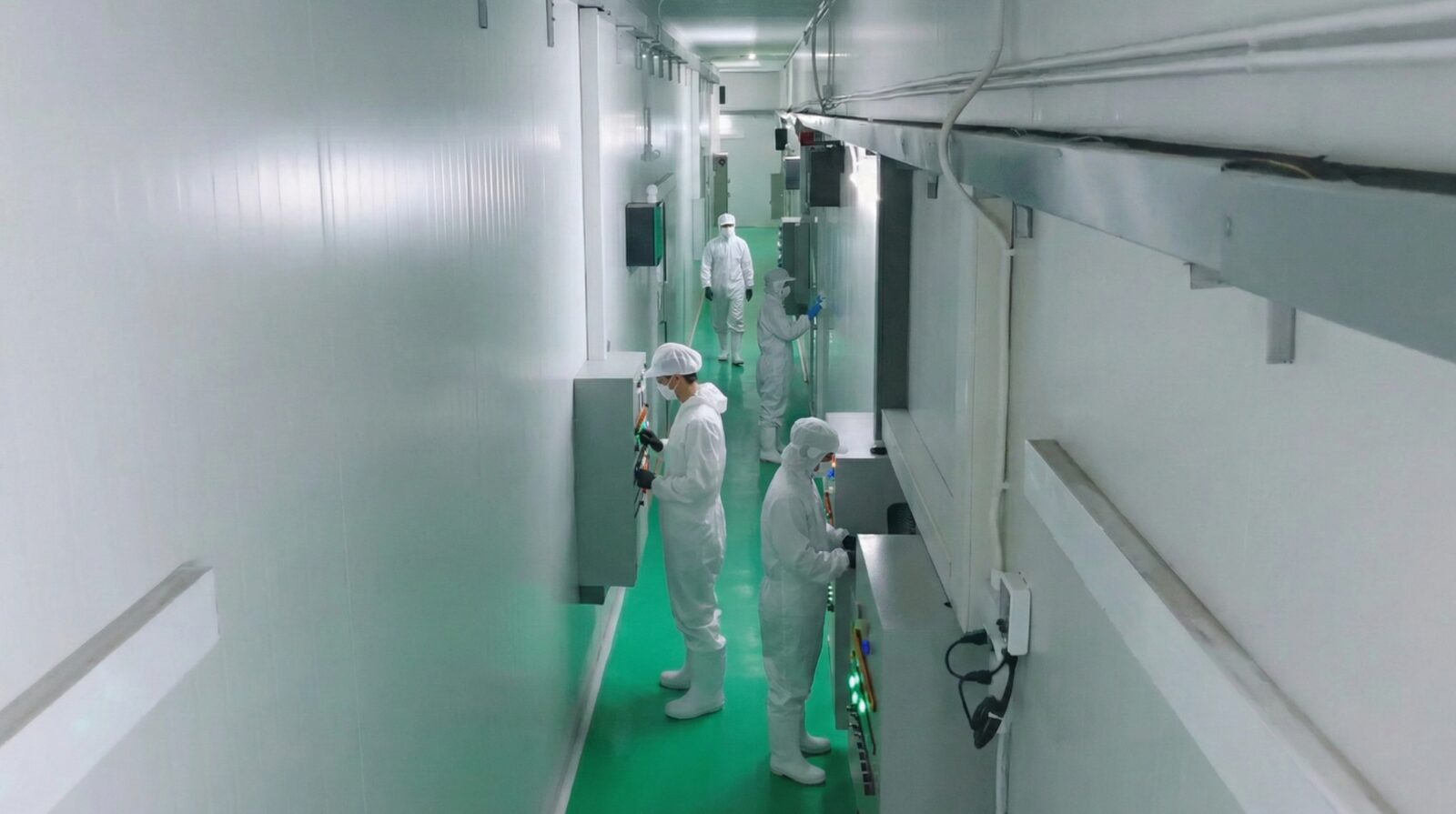
We grow in a fully integrated, sealed indoor farm in Thailand. Sealed matters here. A closed environment keeps out the pests, moulds and stray inputs that push a batch over contaminant limits. Control at the source means fewer surprises at the lab.
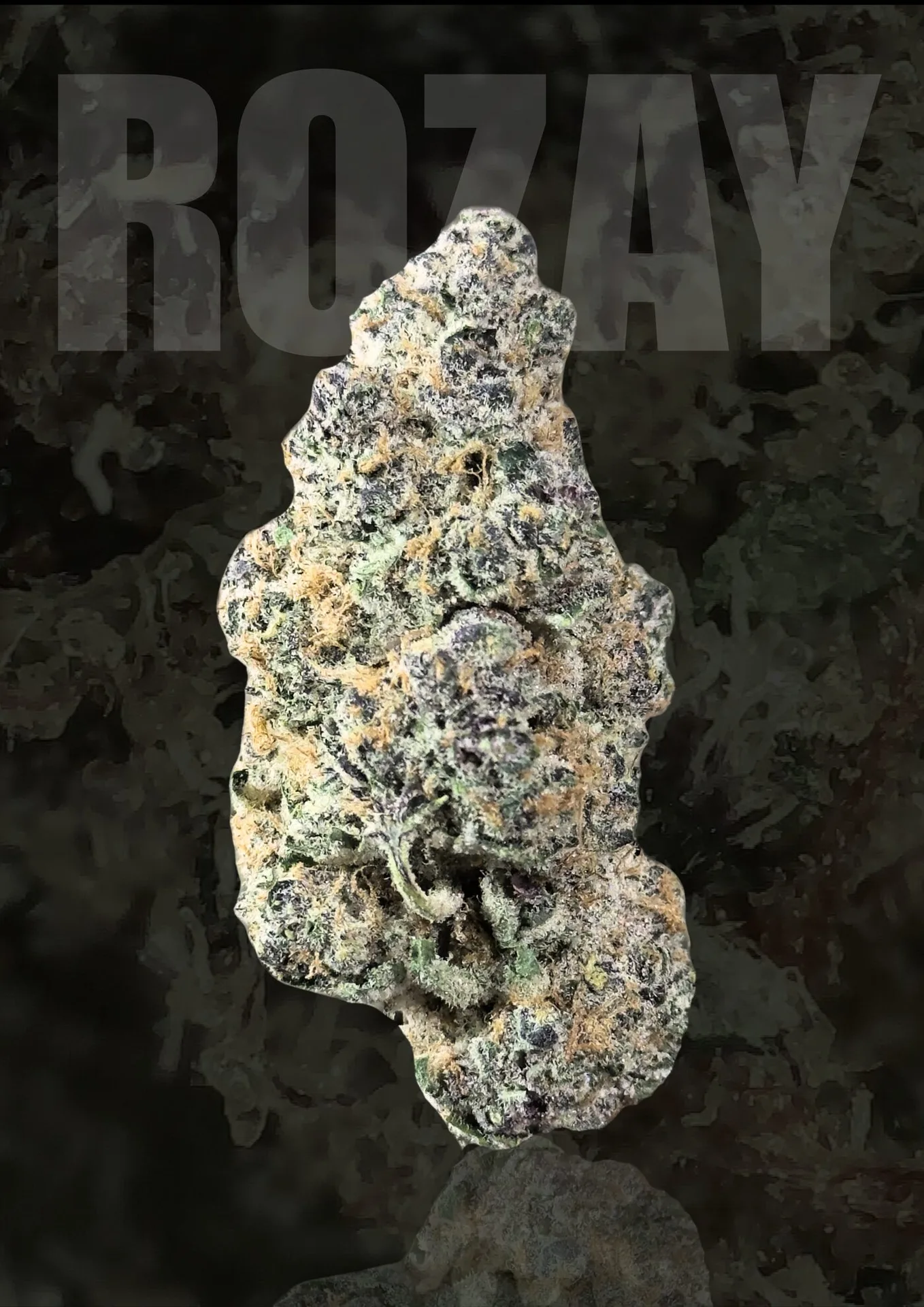
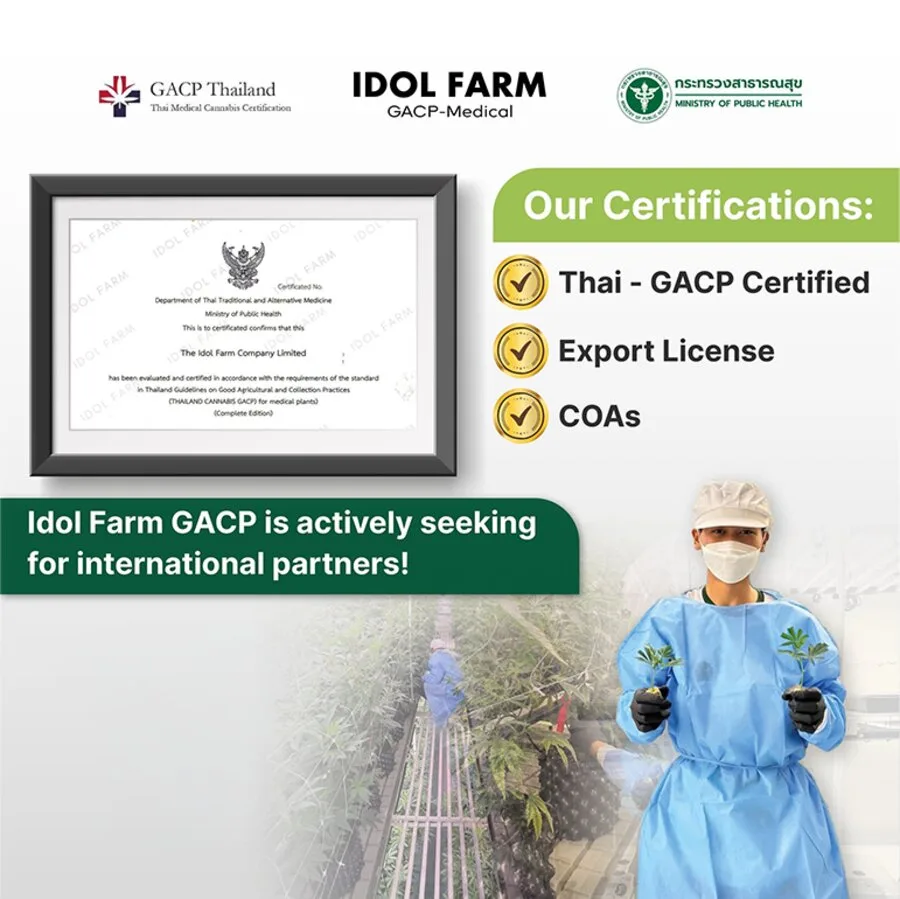
We are GACP certified and work with an EU GMP partner network, so the way we grow, handle and document flower is built around the same expectations that regulated markets apply. Our exotic flower runs at 22 to 30 percent THC. It is hand trimmed, slow cured, and we standardize water activity so the product stays stable in transit and on the shelf.
Consistency is a production choice
Consistency does not happen by luck. We run around 500 kg of finished flower a month, more than 7 tons a year, with room to scale. Volume at that level only holds up if every room, every cure and every batch follows the same process. That repeatability is what lets us promise the same flower next quarter as this one.
Testing and traceability on every batch
Every batch ships with a Certificate of Analysis from an independent lab. The COA covers cannabinoids, terpenes, pesticides, heavy metals and microbials. It is the document your regulatory team will read first, and it maps directly onto what TGO 93 asks for.
Behind the COA sits full seed to shipment traceability. If a question comes up about a specific batch, we can follow it back through the process rather than guess. Our job is to make sure a batch clears the bar before it ever leaves the farm, not to find out at the border.
What this means for your import program
For an importer, wholesaler or distributor, the value is a shorter path from purchase order to shelf. Flower built and tested against the standard is less likely to stall in customs or fail on arrival. That means fewer rejected shipments, steadier supply, and a product your clinical customers can rely on.
We also offer white label and OEM, with export ready packaging, so you can bring product to market under your own brand without rebuilding the quality work behind it.
If you supply Australia, start by asking for a recent COA and a sample. Read the numbers against TGO 93, check the flower in hand, then talk volume and terms. That order of steps tells you everything you need before you commit. We are ready when you are.