

Every batch we ship leaves the farm with a Certificate of Analysis. For an importer, it is the single most useful document we can hand you. It tells you exactly what you are buying, backs it with independent lab data, and gives you the paper trail your own regulators will ask for.
A COA is the lab report for one specific batch. It confirms what is in the flower and, just as important, what is not. In a medical market, that second part carries most of the weight.
What a COA actually is
The COA is an independent lab's analysis of a finished batch. Not a marketing sheet, not a general product spec. It reports on the exact lot you are quoted and shipped, tested by a lab we do not own or control. That independence is the point. Anyone can claim a number. A COA proves it.
We commission one for every batch. When you ask for samples or place an order, you get the COA for that lot, not a representative document from something we grew last season.
What our COA shows
Three areas matter most to a buyer, and a good report covers all of them clearly.
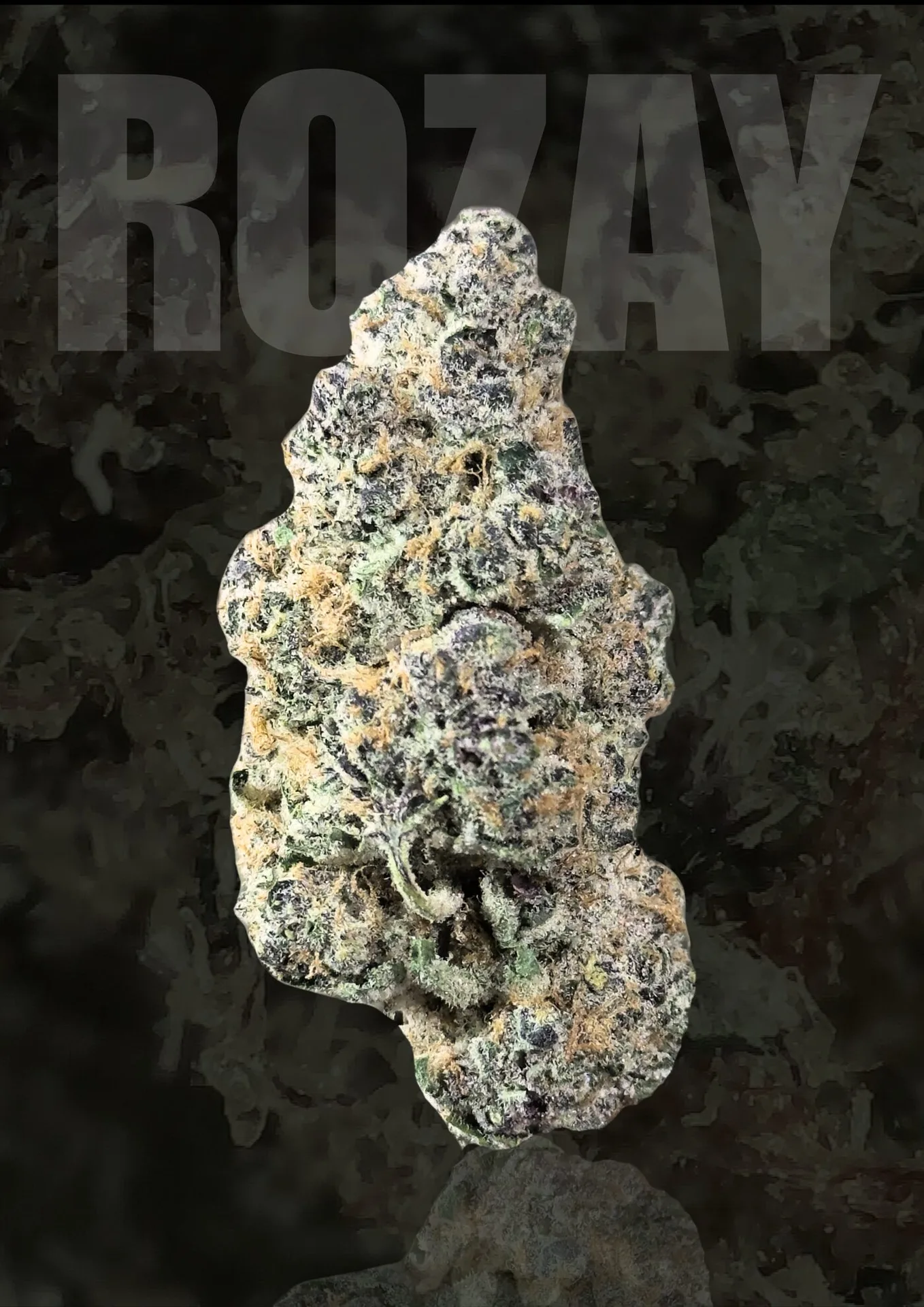
- Cannabinoids. The full profile, including THC and the minor cannabinoids. This is where you confirm potency. Our exotic flower runs at 22 to 30 percent THC, and the COA is how you verify it.
- Terpenes. The aromatic compounds that define the character of the flower. This tells you how a strain will present on the shelf and to the patient.
- Contaminants. Pesticides, heavy metals, and microbials. This section should read as pass or not detected across the board.
Water activity sits alongside these. We standardize it on every batch so the flower stays stable through shipping and storage, and so microbial risk stays low from the start.
Why the contaminant panel decides everything
Potency sells, but purity is what keeps you in business. A medical buyer cannot afford a batch that fails on pesticides or heavy metals after it has cleared customs. That is a recall, a destroyed shipment, and a conversation with a regulator you never want to have.
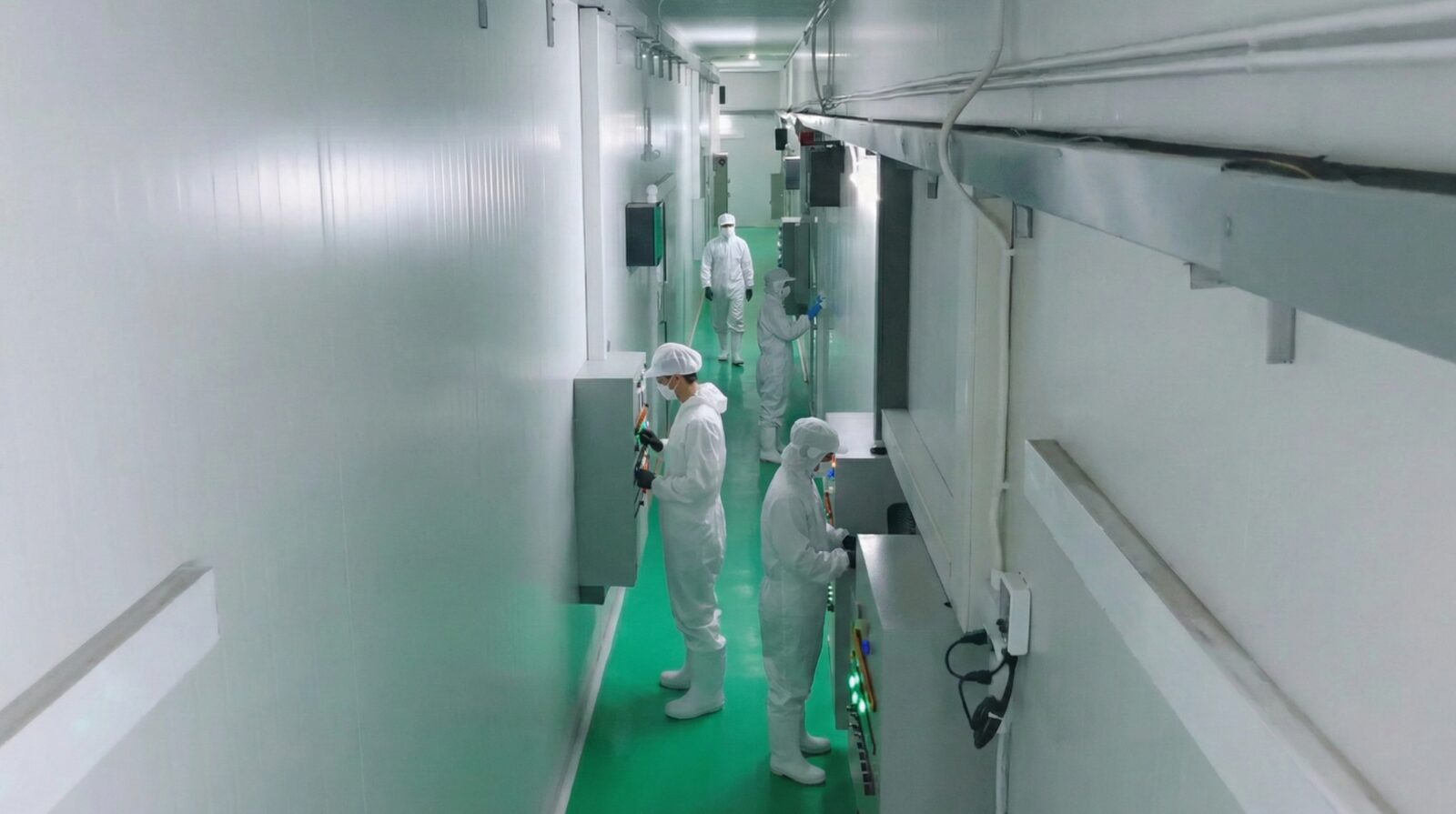
Our farm is a fully integrated, sealed indoor grow in Thailand. Nothing enters the room by accident. We hand trim, slow cure, and control the environment end to end, which is why the contaminant panel reads clean. The COA is where that work becomes visible to you.
If a supplier cannot show you a COA for the batch in front of you, that tells you everything you need to know.
How to read one like a buyer
Start at the bottom. Check the contaminant section first and confirm every line passes. A high THC number means nothing if the pesticide panel fails. Once the flower is clean, move up to potency and terpenes to judge quality and fit for your market.
Match the batch to the paper
Confirm the batch or lot number on the COA matches the batch you are quoted. This sounds obvious, and it is exactly where weak suppliers get loose. One COA does not cover everything they grow. It covers one lot. Ours does too, which is why every shipment carries its own.
Check the date and the lab
Look at when the sample was tested and which lab ran it. Recent testing from an independent, accredited lab is what you want. A report from a lab with no name, or one the farm owns, is not the same thing.
Where the COA sits in our process
The certificate is one link in full seed to shipment traceability. We track each batch from the room it grew in through curing, testing, and export. The COA is the checkpoint that says a lot is cleared and ready to move.
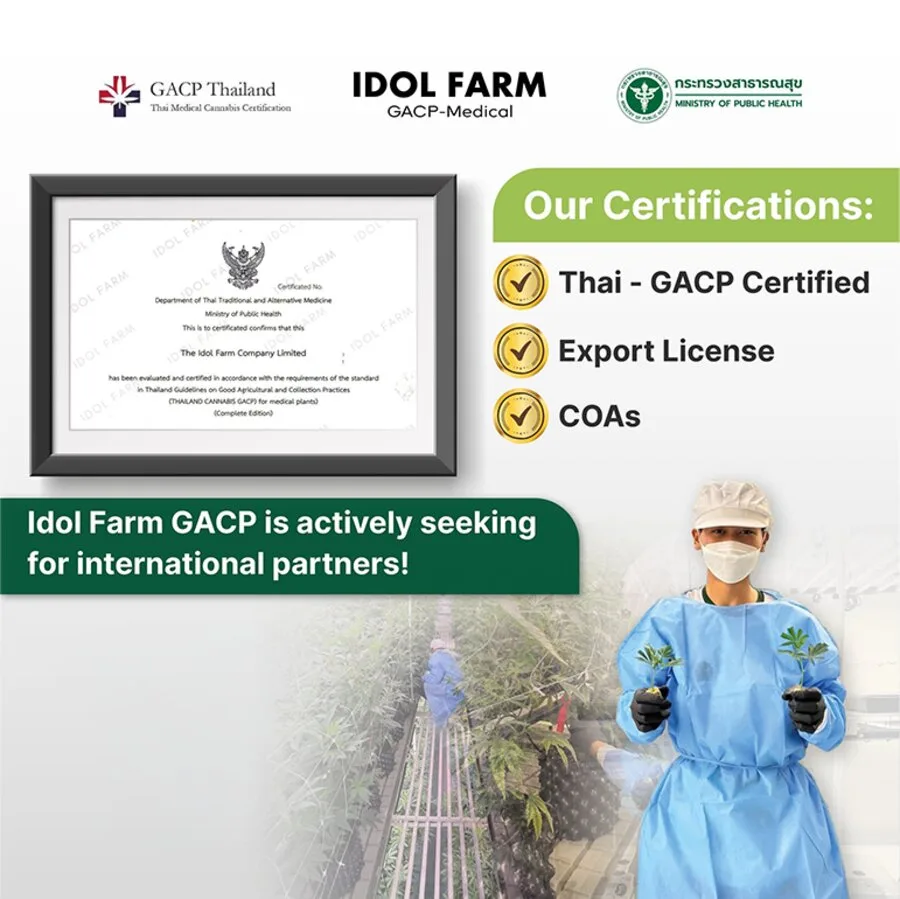
We produce around 500 kg of finished flower a month, more than 7 tons a year, with room to scale. Every kilo of that is documented the same way. Whether you are running white label, OEM, or buying flower under our name, the COA travels with the product in export ready packaging, and it is backed by our GACP certification and EU GMP partner network.
The practical takeaway
Treat the COA as your first filter, not a formality. Ask for the report on the actual batch before you commit. Read the contaminant panel first, confirm the lot number matches, and check the lab and the date. A supplier who hands that over without hesitation is showing you how they operate. Ask us for a current COA and see for yourself what clean, pharmaceutical grade flower looks like on paper.