

EU GMP changes more than how flower is handled. It changes what the flower is worth and how the deal gets written. Once you understand that, the price on a GMP batch stops looking high and starts looking like the cost of a market that stays closed to almost everyone else.
Buyers ask about GMP for a reason. It decides which shelves their product can reach, and that shows up in both price and paperwork. At Idol Farm we grow to a pharmaceutical standard, and we work with an EU GMP partner network to carry that flower into regulated markets. Here is how that standard moves price, and how it reshapes the contract behind the sale.
Why EU GMP raises the price
Flower that meets GMP can enter pharmacy channels that stay closed to everyone else. That access, plus the cost of holding the standard, is priced in. Buyers pay more because they can sell where others cannot.
The cost is real and it does not go away. Sealed farms, validated processes, batch records, stability data, and independent testing all carry a bill. So does the discipline of keeping every kilo consistent. When you buy GMP flower, part of the price is the product and part is the proof that lets the product cross a border and reach a patient.
What the buyer is actually paying for
Price on a GMP batch reflects a chain of work that most suppliers never finish. It is not a markup for a label. It is the sum of everything that has to hold true before a regulated market will accept the goods.
- A COA on every batch covering cannabinoids, terpenes, pesticides, heavy metals and microbials, from an independent lab.
- Full seed to shipment traceability, so every kilo can be traced back to the room it grew in.
- Water activity standardized and slow curing, so the flower stays stable in transit and on the shelf.
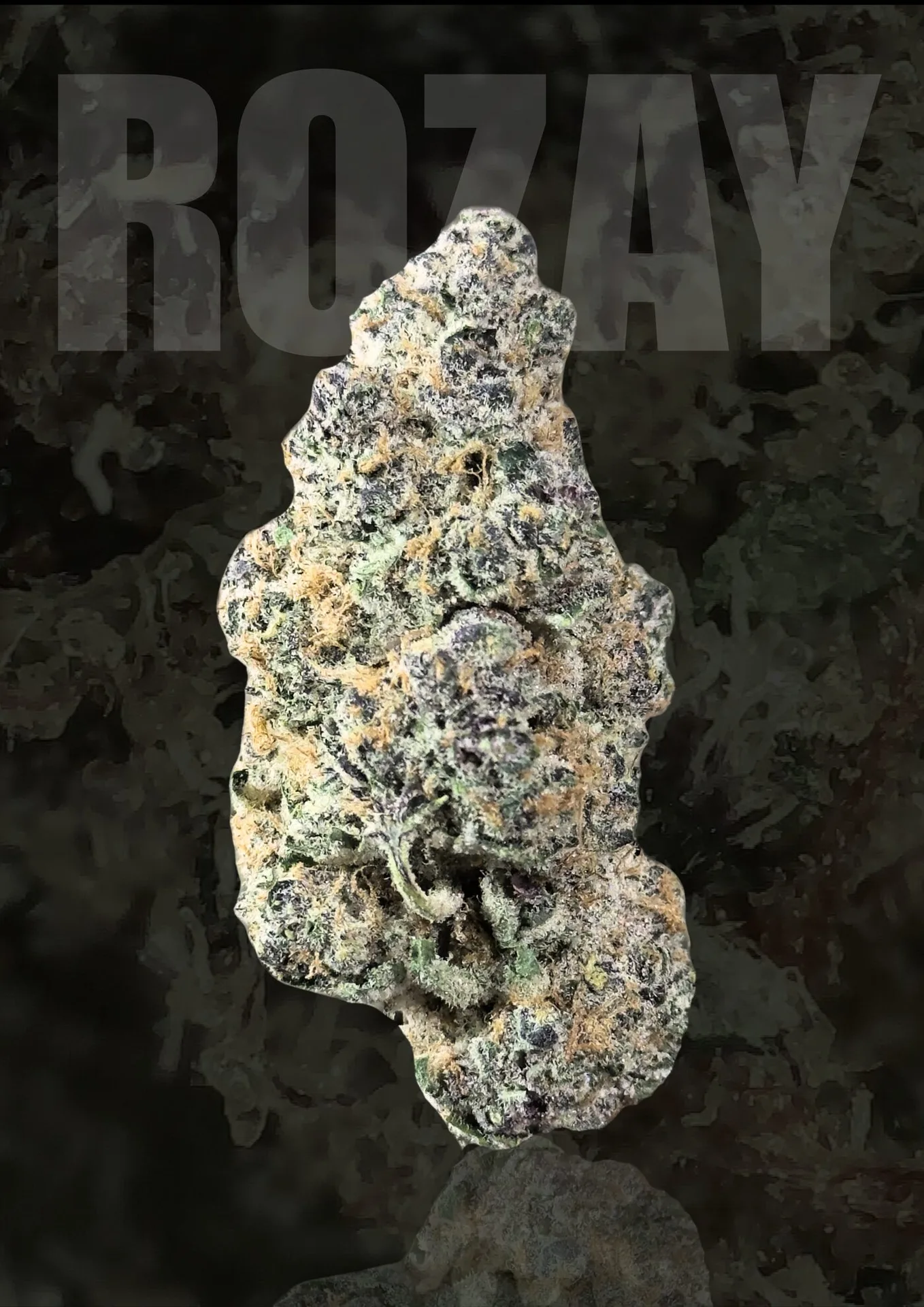
- Exotic flower at 22 to 30 percent THC, hand trimmed, so the top shelf grade is real and not a claim.
- Export ready packaging built for the destination market, not repacked at the last minute.
Each line on that list is a reason a buyer can charge more downstream. That is why the price holds. The value is defensible all the way to the point of sale.
What it means for a contract
A GMP backed deal comes with tighter terms. Fixed specs, documented batches, and clear rules for what gets rejected. It is less a handshake and more a record both sides can stand behind.
That structure protects the buyer as much as the seller. When the specification is written down and every batch ships with a COA, there is no argument about what was promised. If a batch misses the spec, the contract already says what happens. Both sides know the rules before the first kilo moves.
With GMP you are not just selling flower. You are selling access to a market that keeps most suppliers out.
How this shapes supply and scale
Regulated buyers do not want a single good batch. They want the same batch every month, on a schedule they can plan around. GMP is what makes that repeatable. The standard exists to strip out variation, and variation is what breaks a supply agreement.
We run a fully integrated sealed indoor farm in Thailand and produce around 500 kg of finished flower a month, more than 7 tons a year, with room to scale. That volume matters in a contract. A buyer building a pharmacy channel needs to know the supply will still be there when demand grows. Consistent output at a fixed spec is what turns a first order into a standing agreement.
Where white label fits
Many buyers want the flower under their own brand. We offer white label and OEM, so a distributor can put a product finished by our EU GMP partner on the shelf without building a farm behind it. The standard travels with the flower, and the buyer owns the name on the box.
Reading an EU GMP price like a buyer
The mistake is to compare a GMP price against unregulated flower. They are not the same product and they do not reach the same shelf. The right comparison is against the price you can command in a pharmacy channel, and against the cost of a failed shipment when the paperwork does not hold.
A cheaper batch that cannot clear customs or pass a national lab is not cheaper. It is a loss with a low sticker price. GMP grade flower carries the documentation that keeps the shipment moving and the sale intact. That is the number a serious buyer weighs.
The practical takeaway
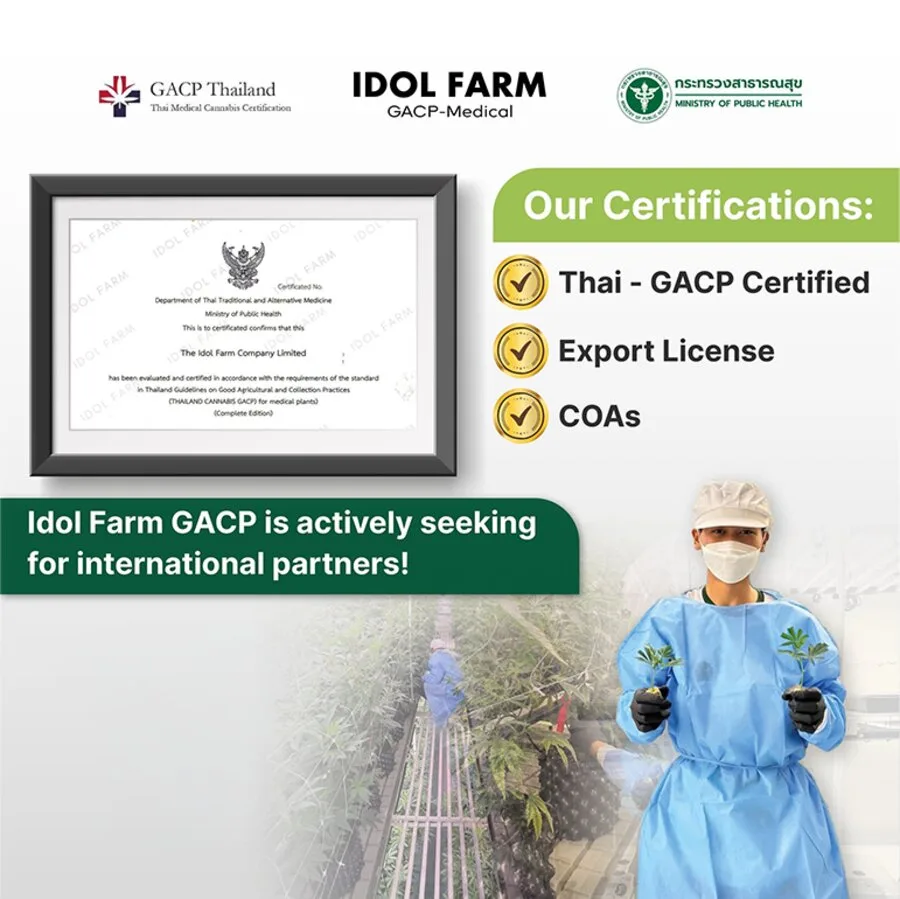
If you sell into a regulated market, treat GMP as the entry ticket, not an upgrade. Read the price as access plus proof, and read the contract as the thing that protects your margin when a batch is questioned. Ask for the COA, the traceability, and the spec in writing before you talk about volume. We are GACP certified, we work with an EU GMP partner network, and we can back every batch with the record a regulated buyer needs. Start with one batch, check the paperwork against the flower, and build the agreement from there.