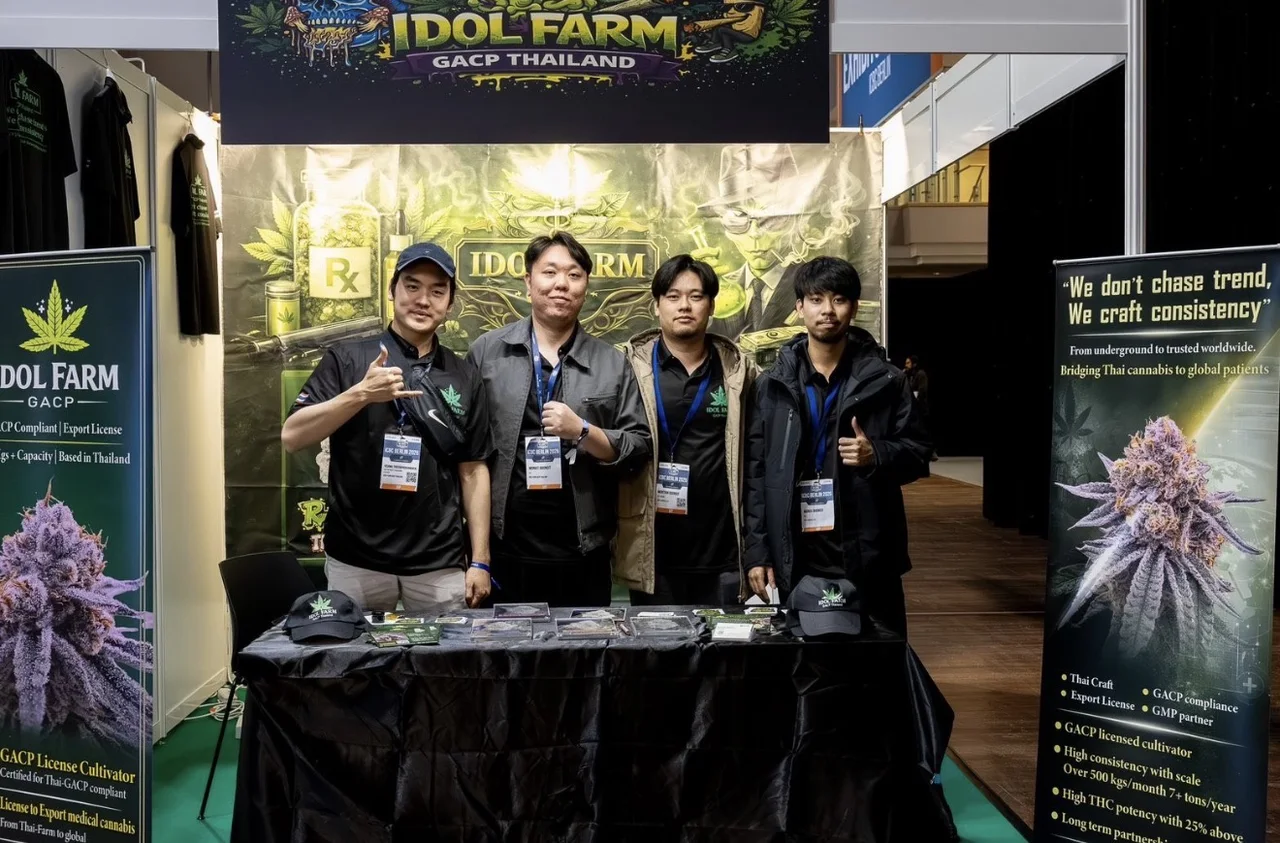

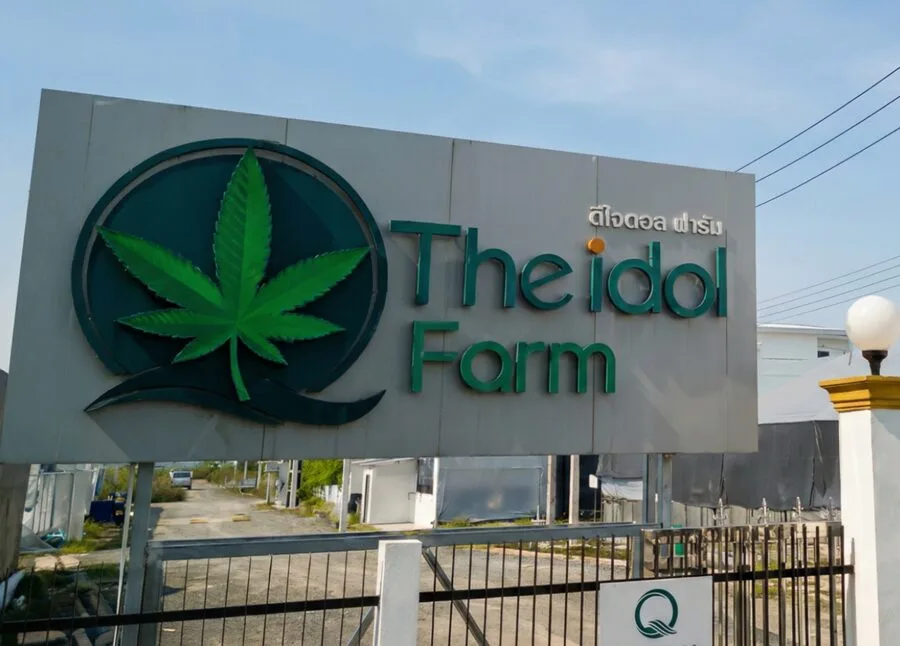
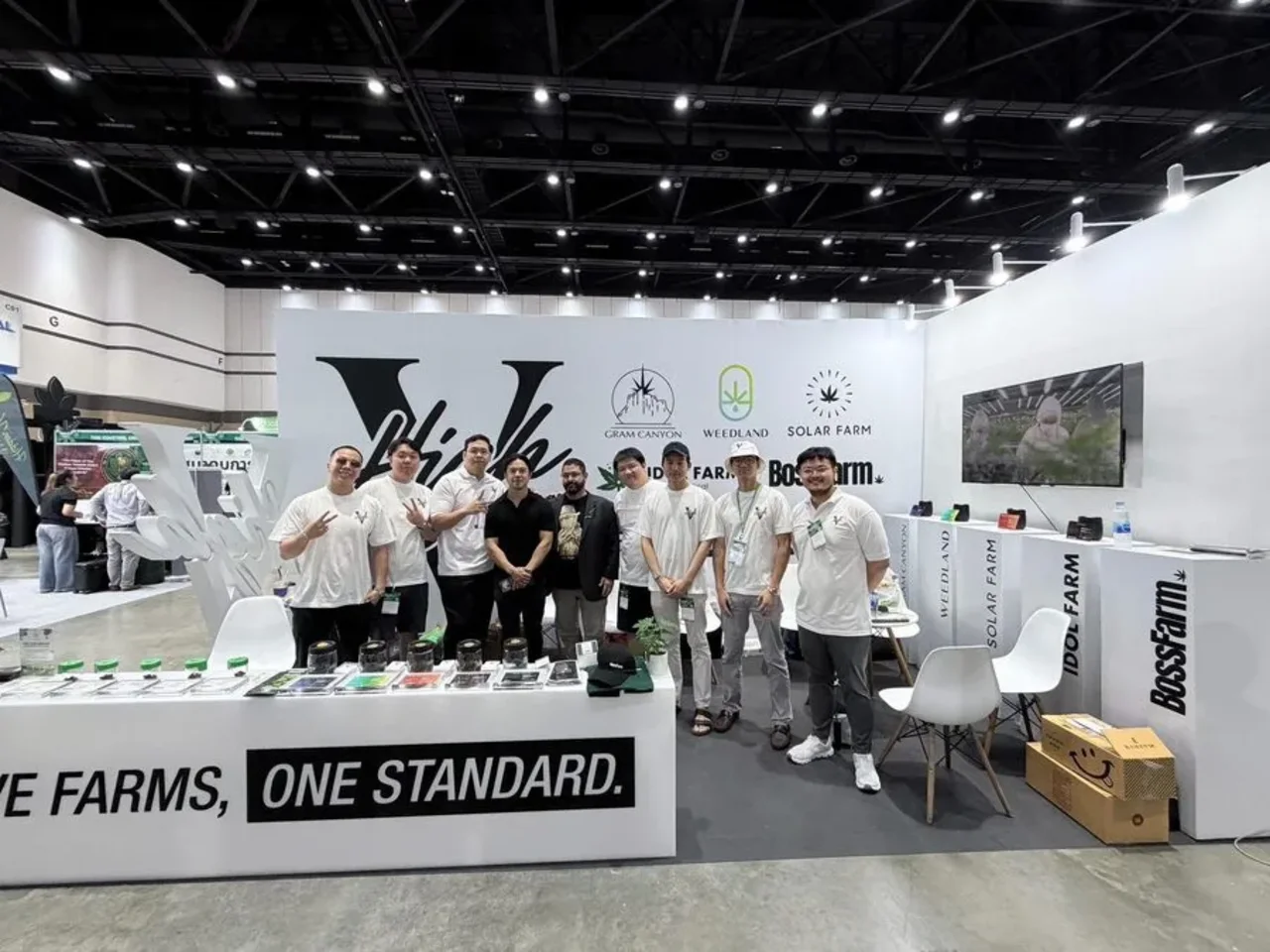
A bigger stand, a shared banner, and one message printed across it one standard. We joined a lineup of serious Thai growers to put export grade flower in front of international buyers, side by side, under a single promise about how this cannabis is grown and how it is checked. The floor did what photos and lab reports cannot. It let buyers hold the flower, meet the people behind it, and decide for themselves.
Why a shared stand matters
Standing next to other quality focused Thai farms sends a signal that no single booth can send alone. This is not a hobby crop or a one season experiment. It is a coordinated supply base built for regulated markets, with growers who agree on what good looks like and refuse to ship anything less.
Buyers notice that. When several farms hold the same line on testing, curing, and traceability, the risk of sourcing from a new region drops. We wanted importers and distributors to leave the floor thinking about Thai flower as a category they can plan around, not a gamble they take once.
Why we show up in person
A COA tells you the numbers. A photo tells you the trim. Neither tells you how a farm actually runs, who stands behind the batch, or whether the operation can hold its standard across a full year of production. Serious buyers know this, so they still want the handshake before they commit to volume.
So we bring the flower and we bring the people who grow it. We talk through the farm, the cure, the water activity, and the paperwork that follows every batch from seed to shipment. That conversation is where trust gets built, and trust is what turns a first sample into a standing order.
One standard, shared across the room. Thai medical grade cannabis held to a level the world can rely on.
What buyers are actually inspecting
The people who walk our stand are not tourists. They are importers, wholesalers, pharmaceutical distributors, and authorized distributors who answer to regulators back home. They open the jar, check the structure, read the terpene profile, and ask hard questions about consistency. We want those questions, because we have built the operation to answer them.
Here is what we put in front of them, and what we can defend on every batch
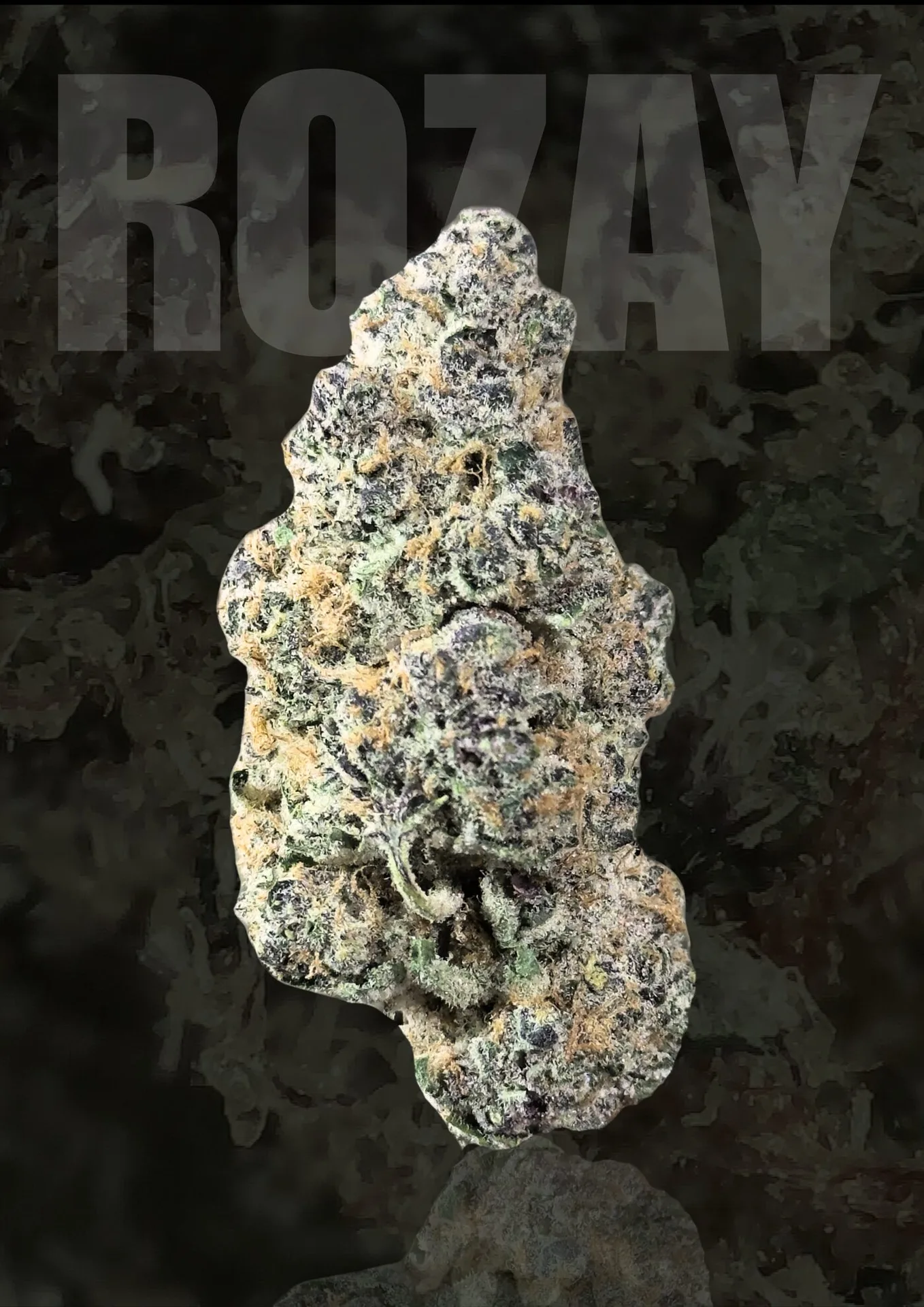
- Exotic flower at 22 to 30 percent THC, hand trimmed and slow cured.
- Water activity standardized batch to batch, so what ships matches what was sampled.
- A COA on every batch covering cannabinoids, terpenes, pesticides, heavy metals, and microbials, from an independent lab.
- Full seed to shipment traceability, with export ready packaging.
- White label and OEM programs for buyers who need product under their own brand.
The standard behind the flower
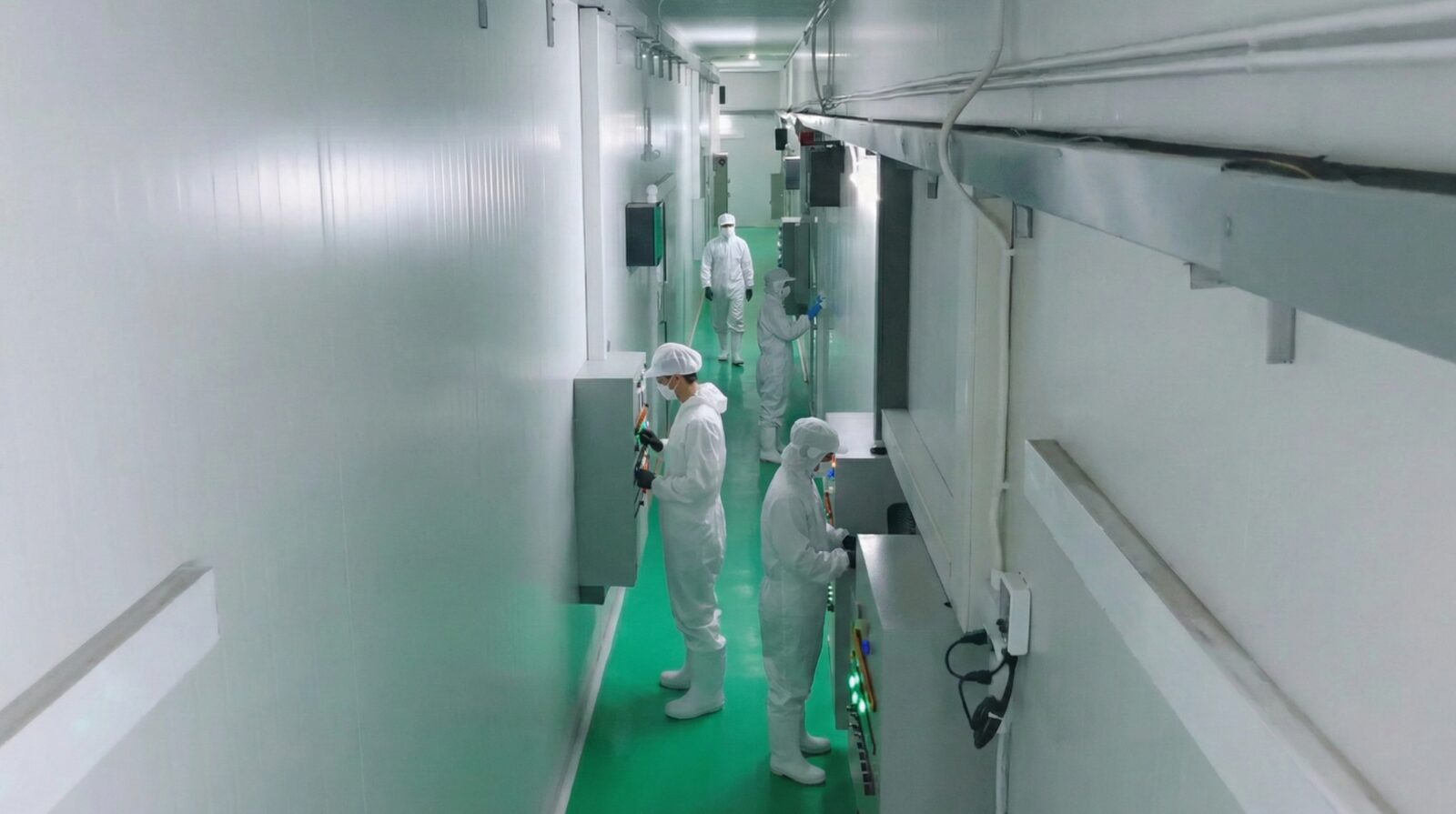
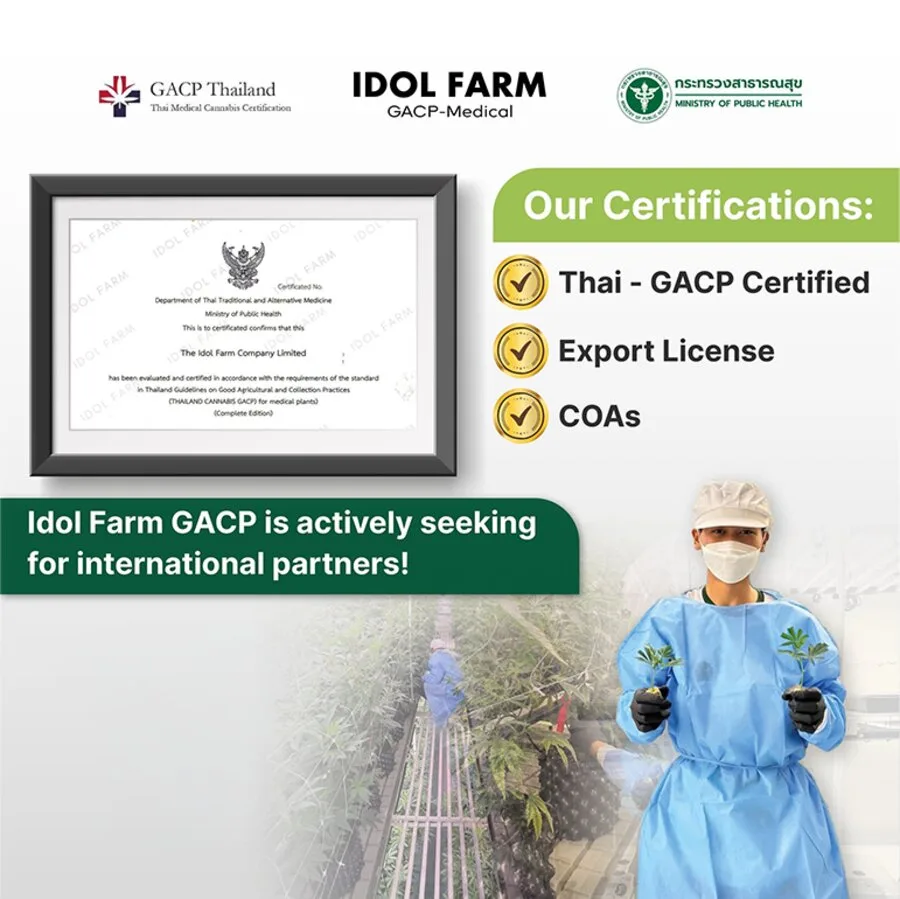
Everything on the stand traces back to how we grow. We run a fully integrated, sealed indoor farm in Thailand. We are GACP certified and we work within an EU GMP partner network, which keeps our process aligned with what regulated markets demand rather than what looks good on a label.
That control shows up in the jar. A sealed indoor room means we set the environment instead of hoping for good weather. The slow cure protects terpenes that fast dried flower loses. Standardized water activity means the batch a buyer approves is the batch that lands at their door, not a lookalike. None of this is exotic in pharma terms. It is simply the discipline the category has been missing.
Built to supply, not just to sample
A great sample means nothing if the farm cannot repeat it at volume. We produce around 500 kg of finished flower per month, more than 7 tons per year, with room to scale as demand grows. That capacity is what lets us have a serious conversation with a distributor about supply for a full year, not a lucky harvest.
We say one standard because it has to hold at scale or it means nothing. The same cure, the same testing, and the same paperwork apply to kilo number seven thousand as they do to the first jar on the stand. Consistency at volume is the hard part, and it is the part we built the farm around.
What to do with this
If you source flower for a regulated market, the practical move is simple. Ask for a current COA, request a sample, and put our numbers next to whatever you buy today. Compare the cannabinoid and terpene profiles, check the water activity, and look at how clean the pesticide, heavy metal, and microbial panels come back. Then ask whether your current supplier can hold that line across seven tons a year. We can show you the flower, the paperwork, and the capacity behind both. The stand was the introduction. The batch in your hands is the proof.