
There is a wide gap between cannabis grown for extraction and flower grown to be sold as it is. For premium procurement, that gap is everything. It decides what lands on an authorized distributor's shelf, what a pharmacist hands to a patient, and whether a buyer sleeps well after a shipment clears customs.
Commercial biomass is grown for weight and processed into oil. The flaws get diluted or filtered out. Premium medical flower has nowhere to hide. It is grown to be seen, smelled, and consumed as flower, and every choice made in the room shows up in the jar. The standards behind the two are not the same, and treating them as interchangeable is where most sourcing goes wrong.
Two products, two sets of rules
Biomass forgives a lot. If the trim is rough, the cure is fast, or the terpenes are thin, an extractor can still pull a usable product. The plant becomes an input, not the output. That economics rewards volume over care.
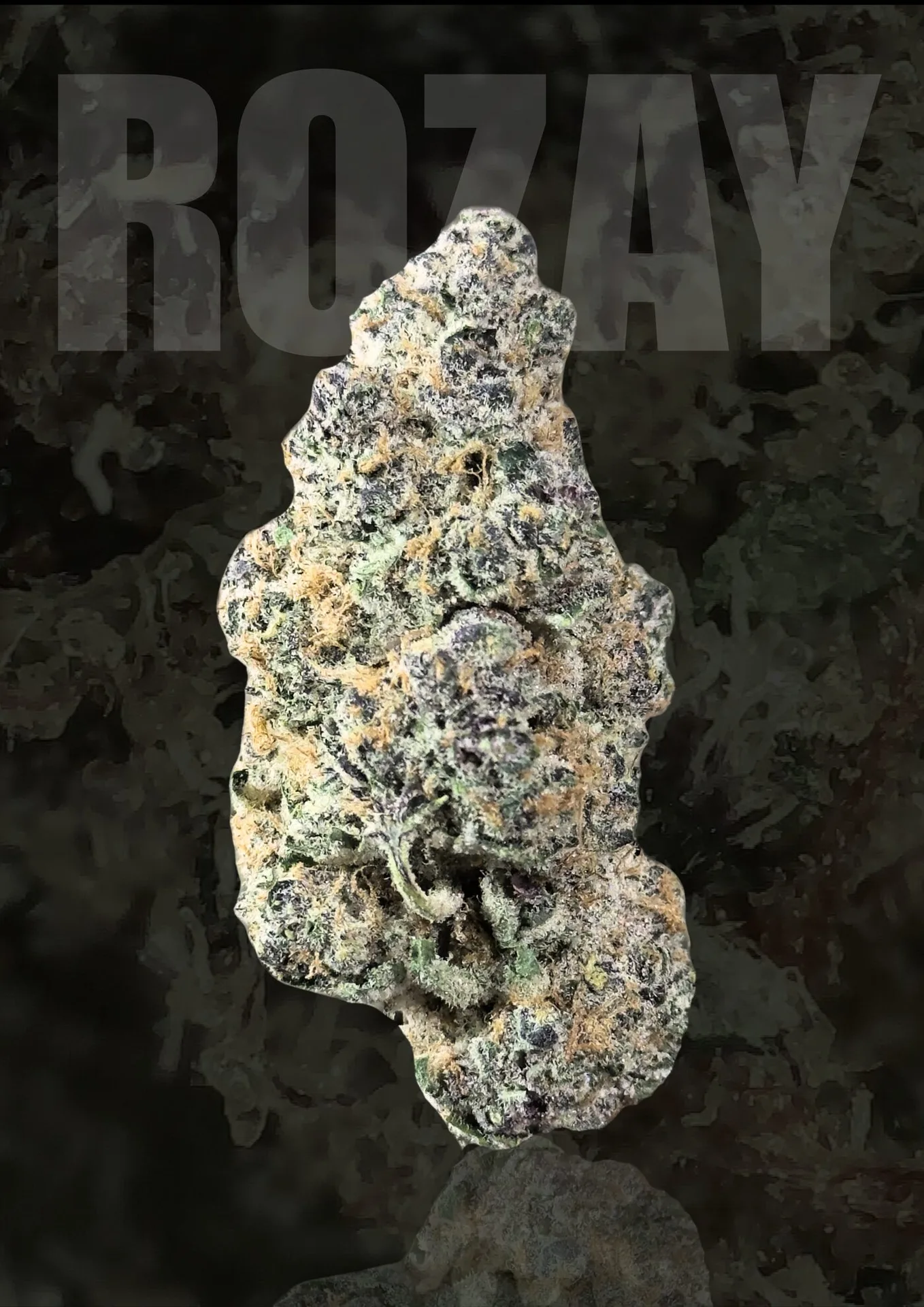
Premium flower flips the logic. The bud is the finished good. It has to hold its structure, its color, its smell, and its potency from our farm to the patient. We grow at 22 to 30 percent THC, but the number on the certificate is only the entry ticket. What sells the flower is everything the number does not measure.
What premium buyers actually check
Experienced buyers look past the THC line fast. They know a high figure can sit next to a harsh smoke, a flat nose, or a contaminant problem. So they read the whole picture.
- A clean contaminant panel across pesticides, heavy metals, and microbials, with no borderline results.
- A rich terpene profile that matches how the flower smells in the room.
- Water activity that is standardized and stable, so nothing molds and nothing dries to dust.
- A hand trim that keeps the bud shape intact and the trichomes on the plant.
- Batch to batch consistency, so what they order in March matches what they order in September.
Any shortcut shows up here. A rushed cure reads as harsh. A sloppy trim reads as filler. A weak contaminant panel reads as risk. We build for this inspection because we know it is coming.
How we hold the standard
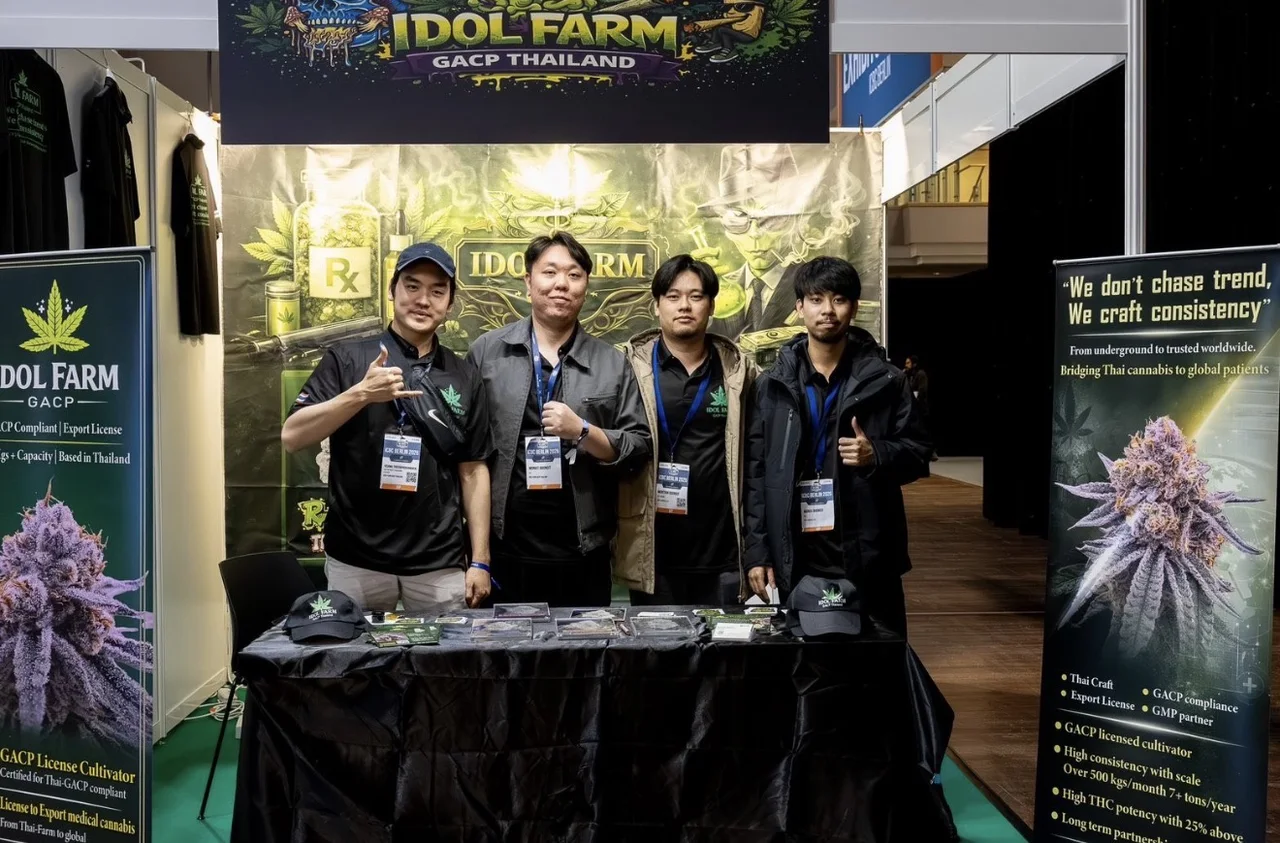
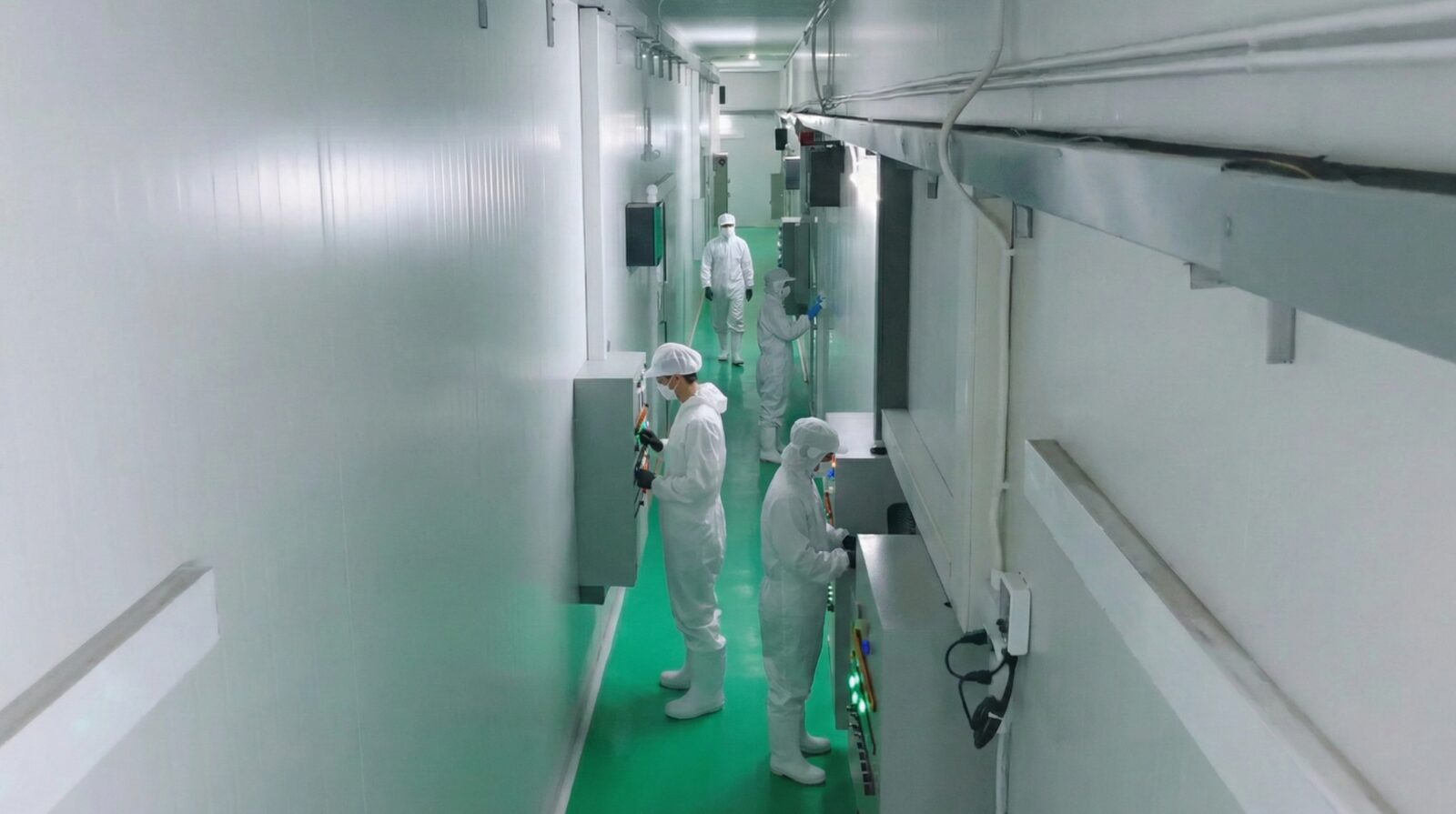
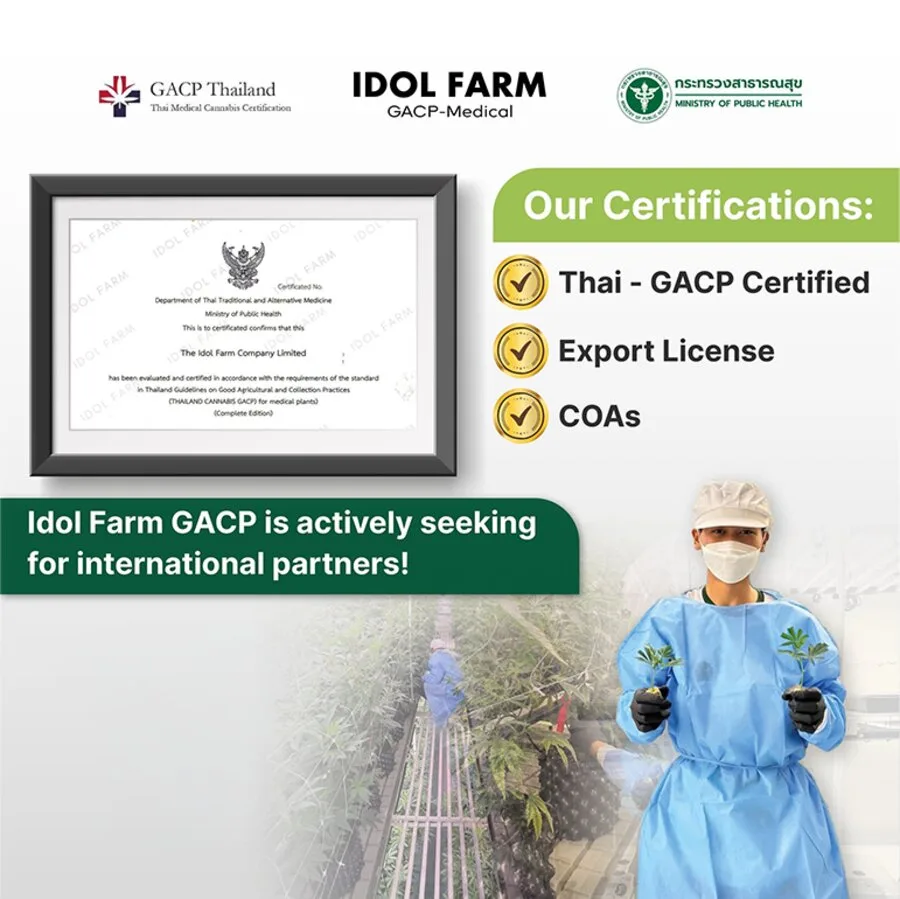
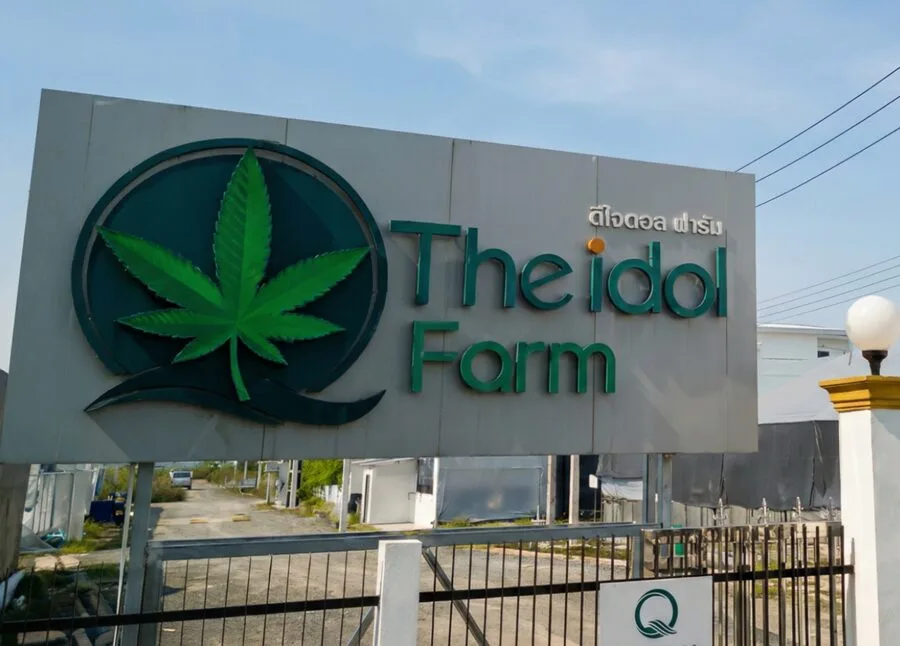
We run a fully integrated sealed indoor farm in Thailand, GACP certified, with an EU GMP partner network behind us. Sealed means we control the inputs. We are not fighting the outside air, the outside pests, or the outside humidity. That control is what makes consistency possible instead of lucky.
The finishing work is slow on purpose. We hand trim every batch, then slow cure it, then standardize water activity so the flower travels well and stays stable on arrival. This is where premium is made or lost, and it is the part that cannot be rushed to hit a bigger monthly number.
Proof, not promises
Every batch ships with a COA from an independent lab covering cannabinoids, terpenes, pesticides, heavy metals, and microbials. A buyer does not have to trust our word. They read the document, and the document has to hold up on their side too. We also keep full seed to shipment traceability, so any batch can be traced back through its whole history if a question ever comes up.
Anyone can grow weight. Growing the same premium quality every single time is the hard part, and that is the only part buyers pay a premium for.
Why the standard protects the buyer
A buyer sourcing premium flower is protecting their own reputation with every order. Their name is on the shipment, not ours. One inconsistent batch can cost them a pharmacy account, an authorized distributor, or a distribution contract that took years to build. The flower is their liability the moment it lands.
That is why serious buyers stop shopping on price alone and start sourcing from farms that treat quality as the baseline, not the target. The cheap batch that fails a panel is never cheap. It costs the reorder, the relationship, and the trust that made the account worth having.
Scale without slipping
The usual fear is that quality falls as volume rises. It does, on farms that were not built for both. We produce around 500 kg of finished flower per month, more than 7 tons per year, with room to scale, and we hold the same finishing standard across all of it. The sealed farm and the batch controls are what let volume and quality sit in the same sentence.
For buyers who need their own identity on the product, we offer white label and OEM with export ready packaging. The flower inside stays held to the same panel and the same trim, whatever name goes on the outside. Scale, in our model, is a supply question. It is not a quality compromise.
The practical takeaway
Before you commit to a premium supply line, ask for the COA and read past the THC line. Check the contaminant panel, the terpene profile, and the water activity. Ask how the flower is trimmed and cured, and ask whether the farm can trace a batch from seed to shipment. If the answers are clear and the document holds up, you have found a partner who treats quality as the floor. That is the farm worth building a reorder around, and that is the standard we hold on every batch we ship.