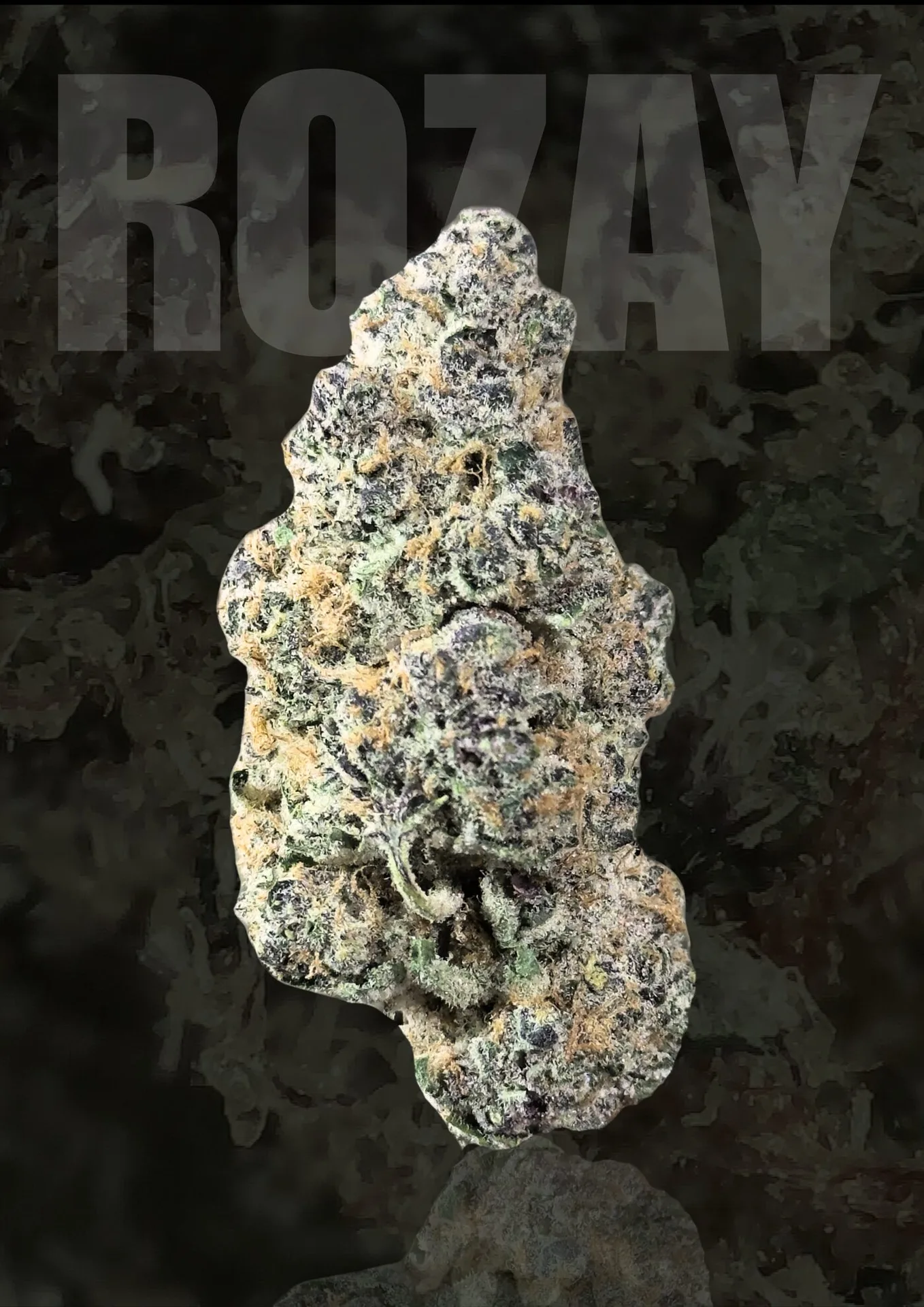

The flower leaves our farm in perfect shape. It is hand trimmed, slow cured, and sitting at a standardized water activity. Whether it arrives that way, on the other side of the world, depends almost entirely on who carries it. Cold chain is not a detail. It is the last stretch of quality control, and it happens after the product is out of our hands.
We put months into a batch before it ships. The wrong logistics partner can undo that work in a few days. So we treat carrier selection the way we treat everything else on the farm, with a checklist and no shortcuts.
Why transit is where quality quietly disappears
Cannabis flower is alive to its environment long after harvest. Heat drives off terpenes and dries the material past where it should be. Damp air pushes water activity up and invites microbial growth. Rough handling shatters trichomes and turns top shelf flower into shake. None of this shows up at the loading dock. It shows up when your customer opens the box.
That is the hard part about shipping. The damage is invisible until it is too late to fix. A COA taken at our farm tells you what left Thailand. It cannot tell you what happened at a transfer hub at two in the morning.
What a good partner actually brings
Steady conditions come first. We want flower held in a stable range for the whole journey, not just while the truck is moving. The gaps matter more than the drive time. Flower sitting on hot tarmac or in an un cooled customs shed is where most loss happens.
Beyond temperature, we look at how a partner thinks about the shipment as a whole.
- Real temperature and humidity logging, with data we can read after the fact, not a promise.
- A named route with known transfer points, so we can see where the risk sits.
- Documented handling standards that respect a sealed, export ready package.
- Customs and regulatory experience in the destination market, so shipments do not stall.
- A clear plan for what happens when something goes wrong, because eventually it does.
How we vet carriers
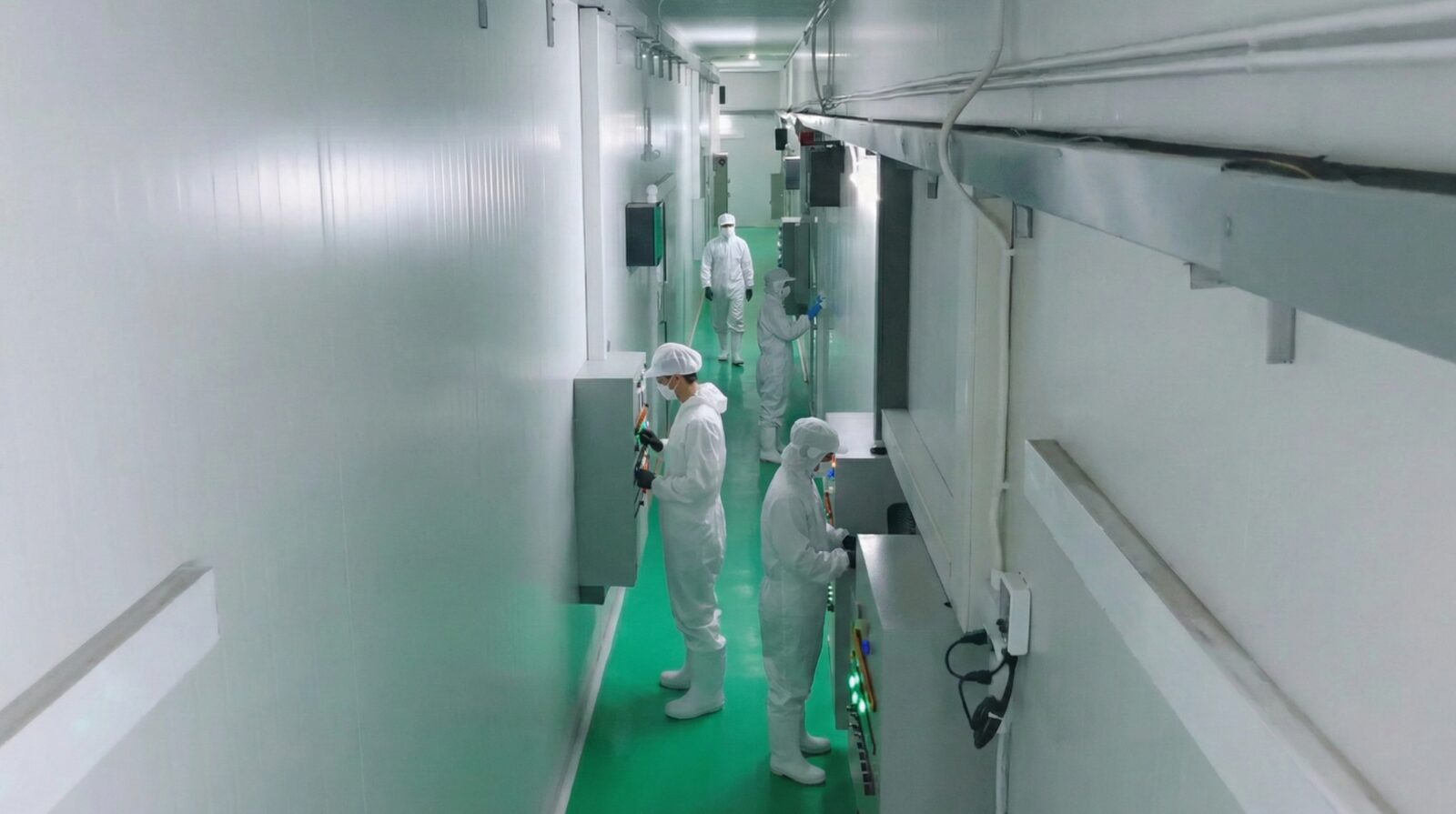
We ask for evidence, not assurances. Show us the logging equipment. Show us a past temperature record. Walk us through the route and name the points where the shipment changes hands. A partner who has done this with pharmaceutical or medical product usually answers fast and in detail. A partner who has not tends to talk in general terms and hope.
We also test small before we trust big. A relationship that handles a modest shipment cleanly earns the next one. We produce around 500 kg of finished flower a month, more than seven tons a year, with room to scale. That volume only reaches buyers in good condition if the carrier can repeat a clean run every time, not just once.
You can grow the best flower in the world and still lose it in the back of the wrong truck.
Where our traceability meets theirs
We run full seed to shipment traceability. Every batch is tied to a COA from an independent lab covering cannabinoids, terpenes, pesticides, heavy metals and microbials. That record is only as good as the chain that carries it. If a shipment arrives degraded and no one logged the transit conditions, the paperwork and the product no longer agree, and the buyer is left guessing.
So we look for partners whose records line up with ours. When our batch data and their transit data tell the same story, a buyer can trust the whole file. That is the point. Traceability should not end at our gate.
What this means for white label and OEM orders
For buyers running white label or OEM programs, the stakes are higher still. Your brand is on the package. A cold chain failure becomes your problem in your market, not ours. We build the export ready packaging to hold up in transit, and we expect the carrier to hold up its end. We are glad to share what we know about routes and handling so your product lands the way it left.
Our standard, plainly stated
We choose partners who treat the shipment the way we treat the crop. That is the whole test. If a carrier is careful with conditions, honest with data, and steady across repeat runs, we keep working with them. If not, we keep looking. There is no shortage of companies that will move a box. There are far fewer that will protect what is inside it.
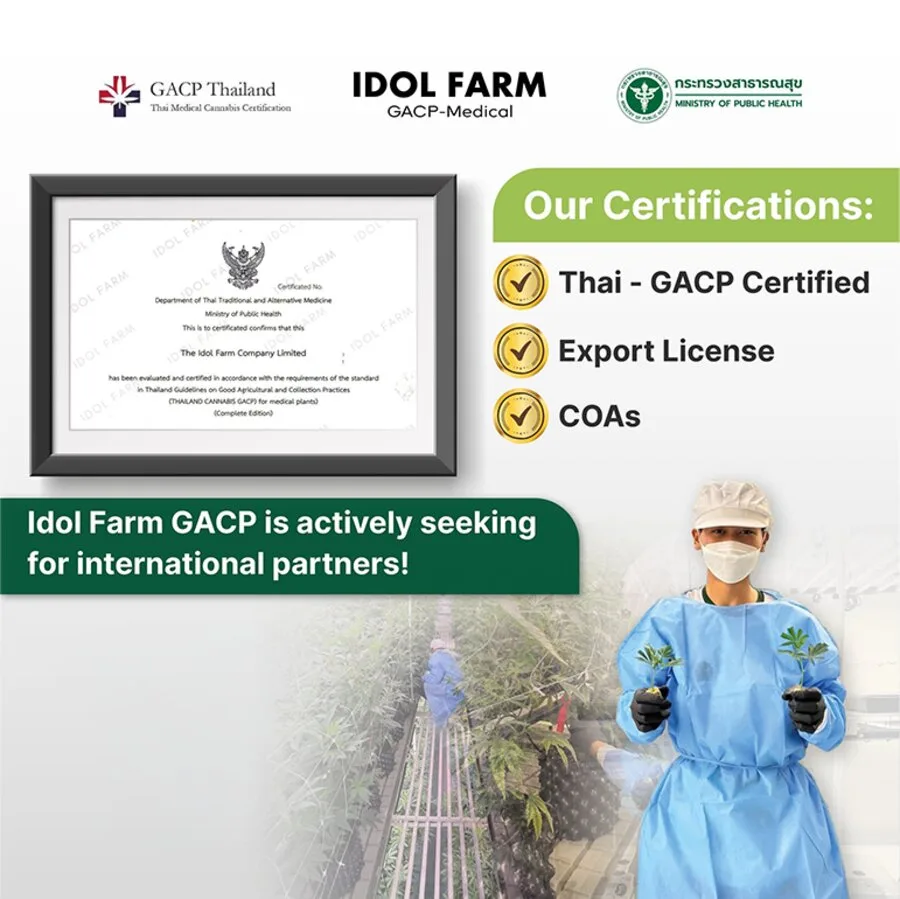
We would rather hold a shipment an extra day than send it on a route we do not trust. Our GACP certified process and EU GMP partner network exist to keep quality consistent from seed to sealed package. Cold chain is how that quality survives the last leg.
If you are sourcing pharmaceutical grade flower and want it to arrive as it left, ask any supplier a simple question. How do they choose who carries it, and can they prove the conditions in transit? If the answer is vague, that is your answer. When you are ready to talk specifics about routes, packaging, and volumes, we are ready to walk through ours.