
The harvest is not safe the moment it comes down. A crop can carry every trait you want, high THC, loud terpenes, dense structure, and still lose most of it in the days after the cut. Drying is where that happens. Get the room wrong and the plant gives back what it made. Get it right and the flower reaches the jar with its quality intact.
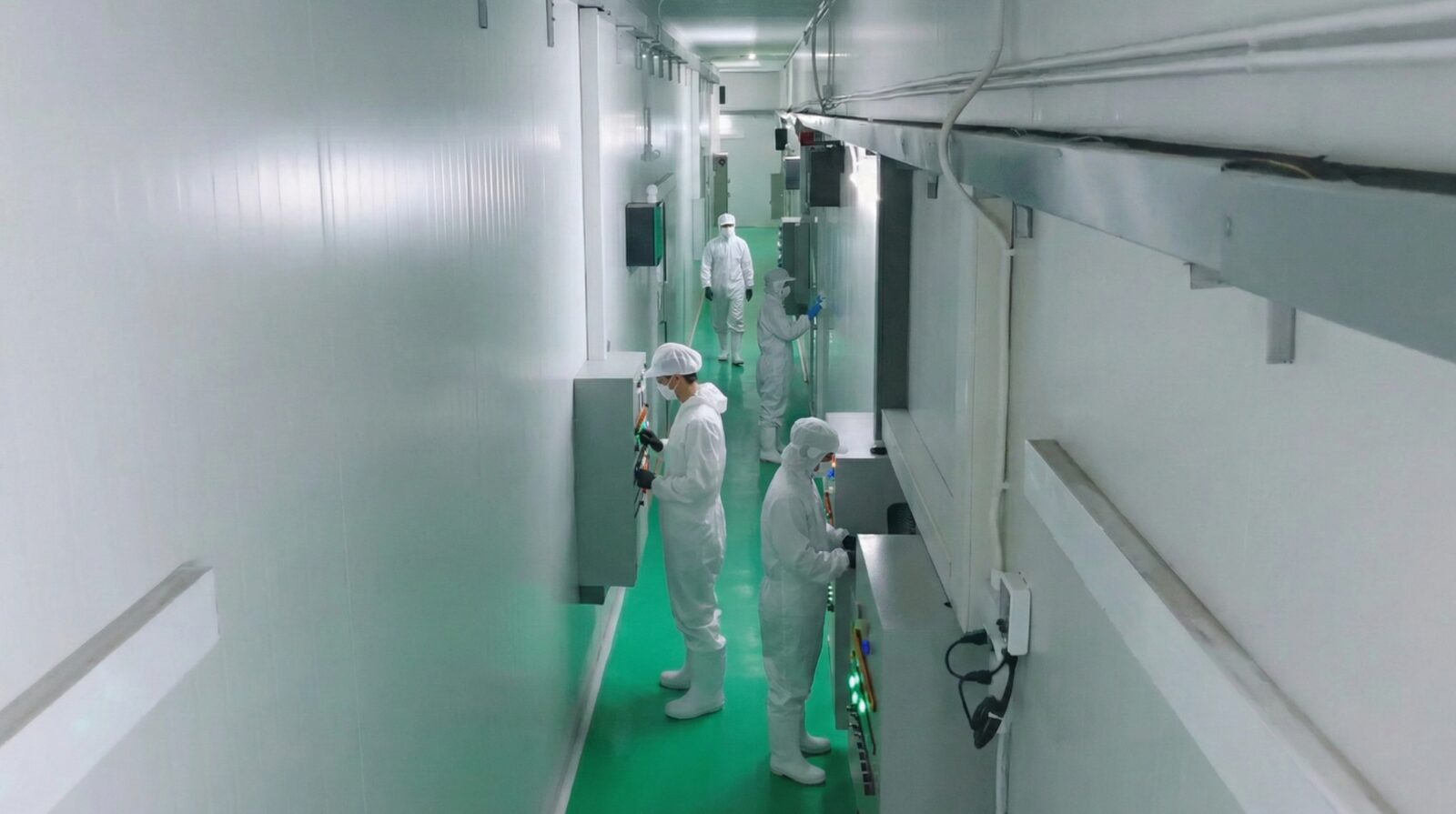
We treat the drying room as a production step, not a waiting period. It runs on the same discipline as the grow. Nothing is left to chance, and nothing is rushed.
Why the room decides everything
Fresh flower is mostly water. How that water leaves the plant sets the final quality. Dry too fast and the outside hardens while the inside stays wet. The result is harsh smoke, a hay smell, and terpenes that never had time to settle. Dry too slow, or in a room that holds too much moisture, and mold moves in. One bad batch in a sealed room can put the whole run at risk.
The window between those two failures is narrow. We hold it with steady temperature, steady humidity, and gentle air. Held steady is the point. A room that swings between day and night does the damage slowly, one degree at a time.
What we control
The setup is simple on paper. A dark, cool, even room with soft airflow that never blows straight onto the flower. The skill is holding those conditions flat around the clock, through the full dry, batch after batch. Our farm is fully sealed and indoor, so the room does not react to the weather outside. That matters in Thailand, where ambient humidity would otherwise fight us every step.
We watch a short list of things and we watch them constantly.
- Temperature, cool and flat, no spikes at any hour.
- Humidity, held in a tight band so moisture leaves at a measured pace.
- Airflow, gentle and even, moving through the room without hitting the buds directly.
- Light, kept out, because light degrades cannabinoids and dulls color.
- Time, a slow dry given the days it needs, never cut short to clear the room.
Drying is quiet work. Get the room right and the flower keeps everything the plant gave it.
From drying into the cure
Drying and curing are two stages of one job. The dry gets the flower to a stable moisture point. The cure holds it there and lets the chemistry finish. We hand trim first, then move into a slow cure where the harshness falls away and the terpenes round out. This is the difference between flower that is merely dry and flower that smells and smokes the way the strain is supposed to.
None of it works if the starting point is wrong. A rushed dry cannot be fixed by a good cure. We build the quality in from the first day off the plant.
Water activity, the number that ships
For an export product, dryness has to be a number, not a feeling. We standardize on water activity, the measure of available moisture in the flower. It tells us two things at once. Low enough, and microbes cannot grow, which protects the product through long transit and storage. High enough, and the flower is not brittle or over dried. We land it in the band that keeps flower safe and keeps it feeling alive in the jar.
Why buyers should care
Water activity is what stands between a batch and a failed microbial test at the far end of a shipment. A flower that passes at our lab but was dried loosely can drift out of spec in a container. We control it at the source so the COA you receive still describes the flower you open.
How this shows up on the COA
Every batch ships with a certificate of analysis from an independent lab. It covers cannabinoids, terpenes, pesticides, heavy metals, and microbials. The drying room shapes several of those lines directly. A clean microbial result starts with moisture control, not with luck. A strong terpene profile survives because the dry was slow and cool, not fast and hot. The numbers on the page are the record of what the room did.
Because we run full seed to shipment traceability, we can tie any batch back to its own drying and curing record. If a buyer asks how a given lot was handled, we can answer in specifics.
What this means for scale
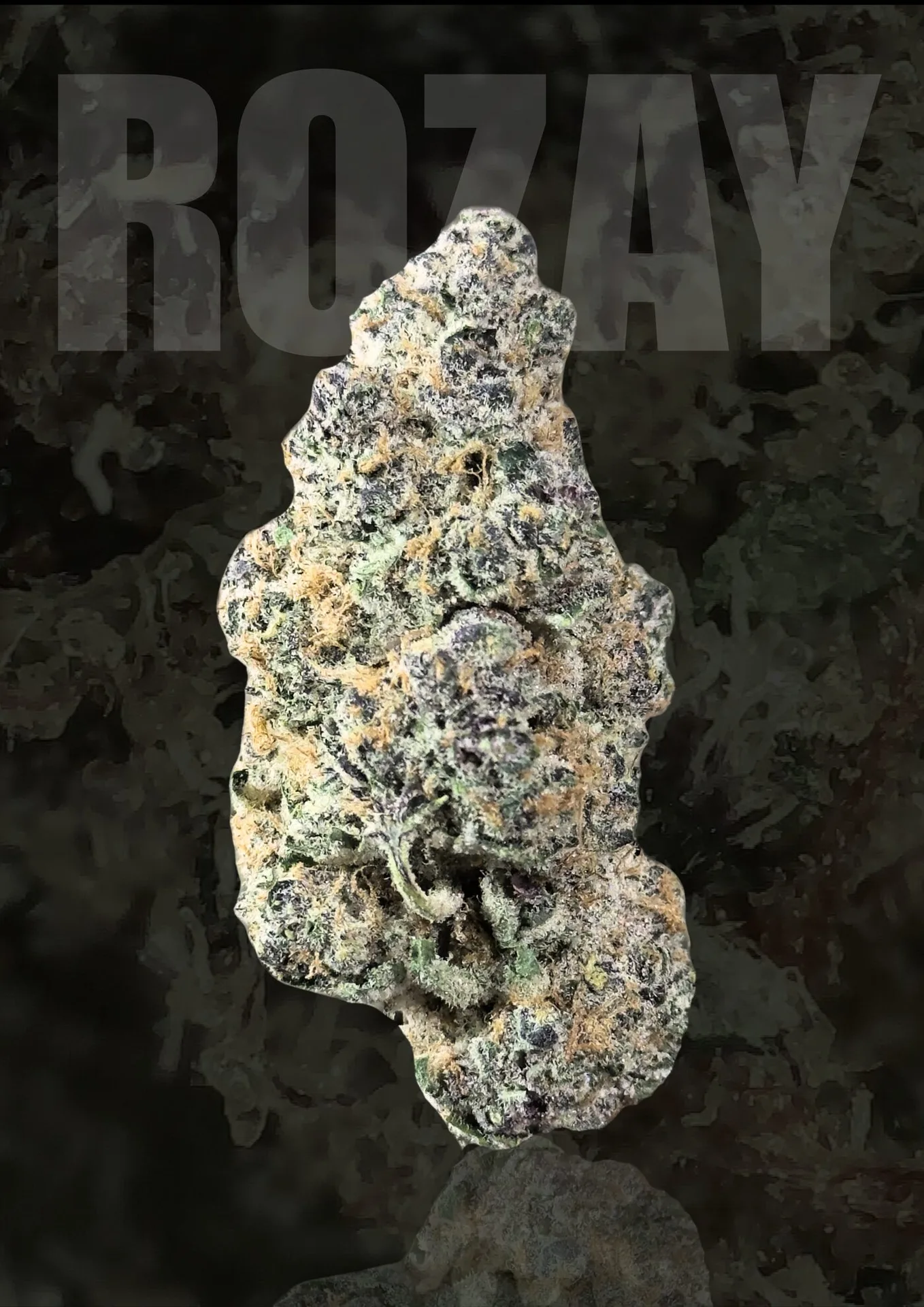
We finish around 500 kg of flower a month, seven tons or more a year, with room to grow. Volume like that only holds up if quality is repeatable, and repeatable quality comes from process, not from a good week. The drying room is a large part of why our exotic flower, at 22 to 30 percent THC, arrives consistent from one order to the next. Whether the flower ships under our name or as white label and OEM, it goes out in export ready packaging with the same standard behind it.
For a buyer, the practical takeaway is short. Ask any farm how they dry and how they measure it. If the answer is vague, the risk is yours to carry at the port. Ours is specific, it is standardized, and it is on the paperwork. That is the point of doing the quiet work well.