

Growing bigger usually means growing cheaper. In premium medical cannabis, that is exactly the trap to avoid. Scale is only a win if the flower never feels it. The moment quality drops, the savings stop being worth it, and the buyer notices before you do.
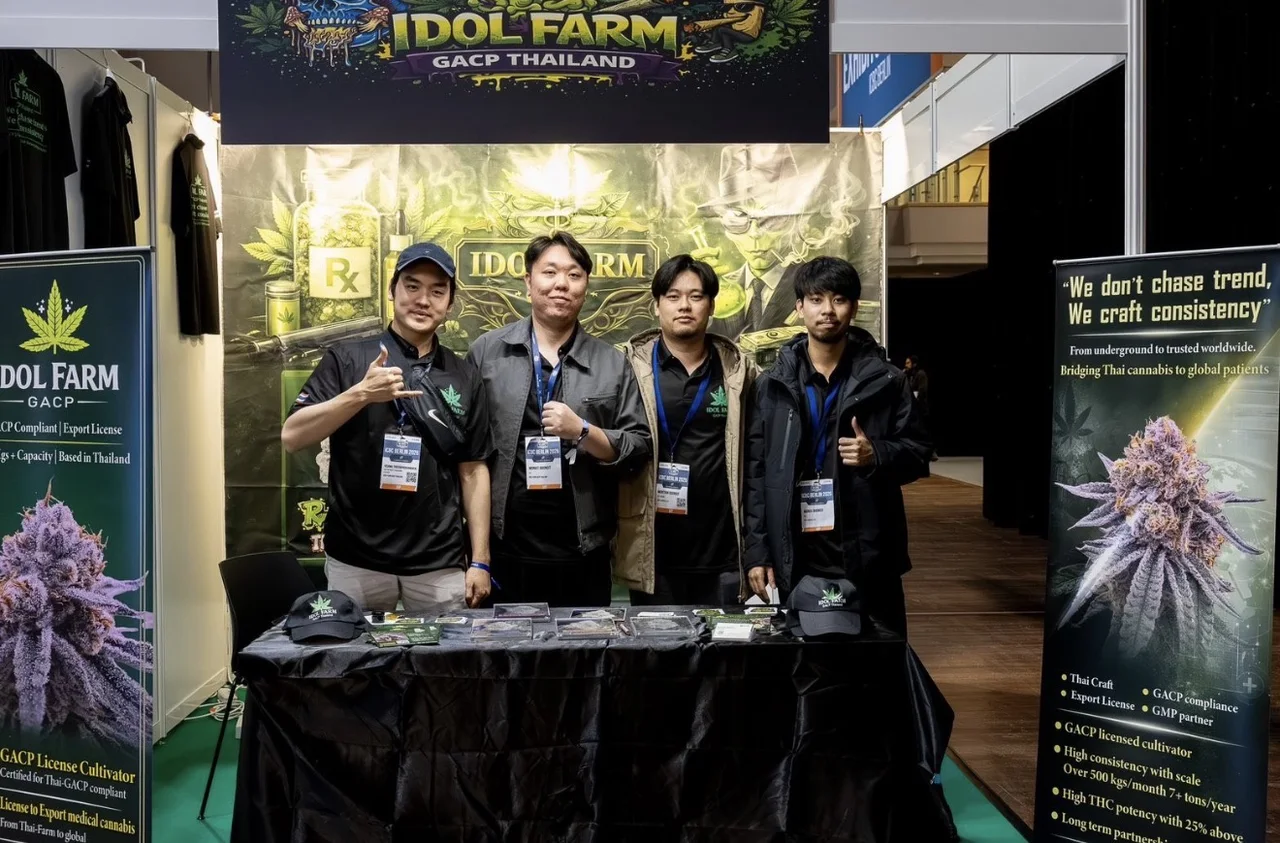
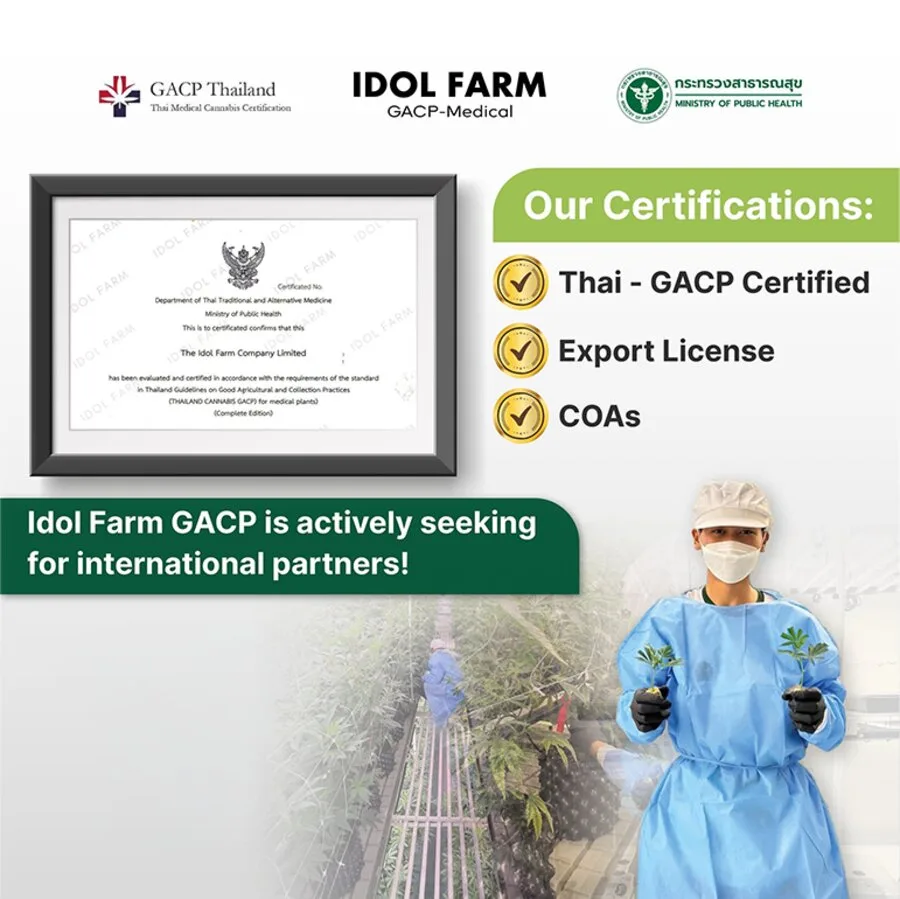
Every farm that grows past a few hundred kilos a month runs into the same question. Where do you cut cost, and where do you refuse to? Get that answer wrong and you end up with cheaper flower that no serious buyer will reorder. Get it right and you hold a top shelf standard at a volume that a real supply chain can depend on. We run a fully integrated sealed indoor farm in Thailand, GACP certified, producing around 500 kg of finished flower a month and 7 or more tons a year. Here is how we think about the trade.
The real tension in scaling flower
Scale lowers cost. That part is simple. Bigger buys, steadier labor, fixed overhead spread across more grams. The problem is that the shortcuts which lower cost the most are usually the ones that hurt the plant. Faster dries. Machine trimming. Wider environmental swings because the room is packed. Skipping a cure to hit a ship date.
Each of those saves money. Each of those shows up in the jar. So the job is not to chase the lowest cost. The job is to find the savings the flower never notices, and to spend without flinching on the ones it would.
Where we draw the line
We scale the parts of the operation that do not touch quality. We protect the parts that do. That single rule decides almost every call we make.
On the scale side, we standardize genetics, buy inputs in volume, and run the farm as one system rather than a set of disconnected rooms. A sealed indoor build means the growing environment does not change with the weather outside, so we get the same result in July that we got in January. Consistency at volume is itself a cost saver, because rework and rejected batches are expensive.
On the protected side sit the steps that a buyer can taste, smell, and test for. We hand trim. We slow cure. We standardize water activity so the flower travels well and stays stable on a distributor's shelf. Those steps cost time and people, and we do not cut them to hit a number.
Scale should lower your cost, not your standard. The moment the flower feels it, you have scaled the wrong thing.
What we never compromise, even at volume
Some things are not negotiable no matter how large the run. These are the points where a shortcut would quietly turn a premium product into a commodity one, and the buyer would be right to walk.
- The cure. Slow curing is slow for a reason. Rushing it flattens aroma and shortens shelf life, and no packaging fixes that.
- Hand trimming. Machines are faster and cheaper. They also bruise trichomes and dull the look of exotic flower that buyers pay a premium to receive.
- Testing on every batch. A COA follows each batch, covering cannabinoids, terpenes, pesticides, heavy metals, and microbials, from an independent lab.
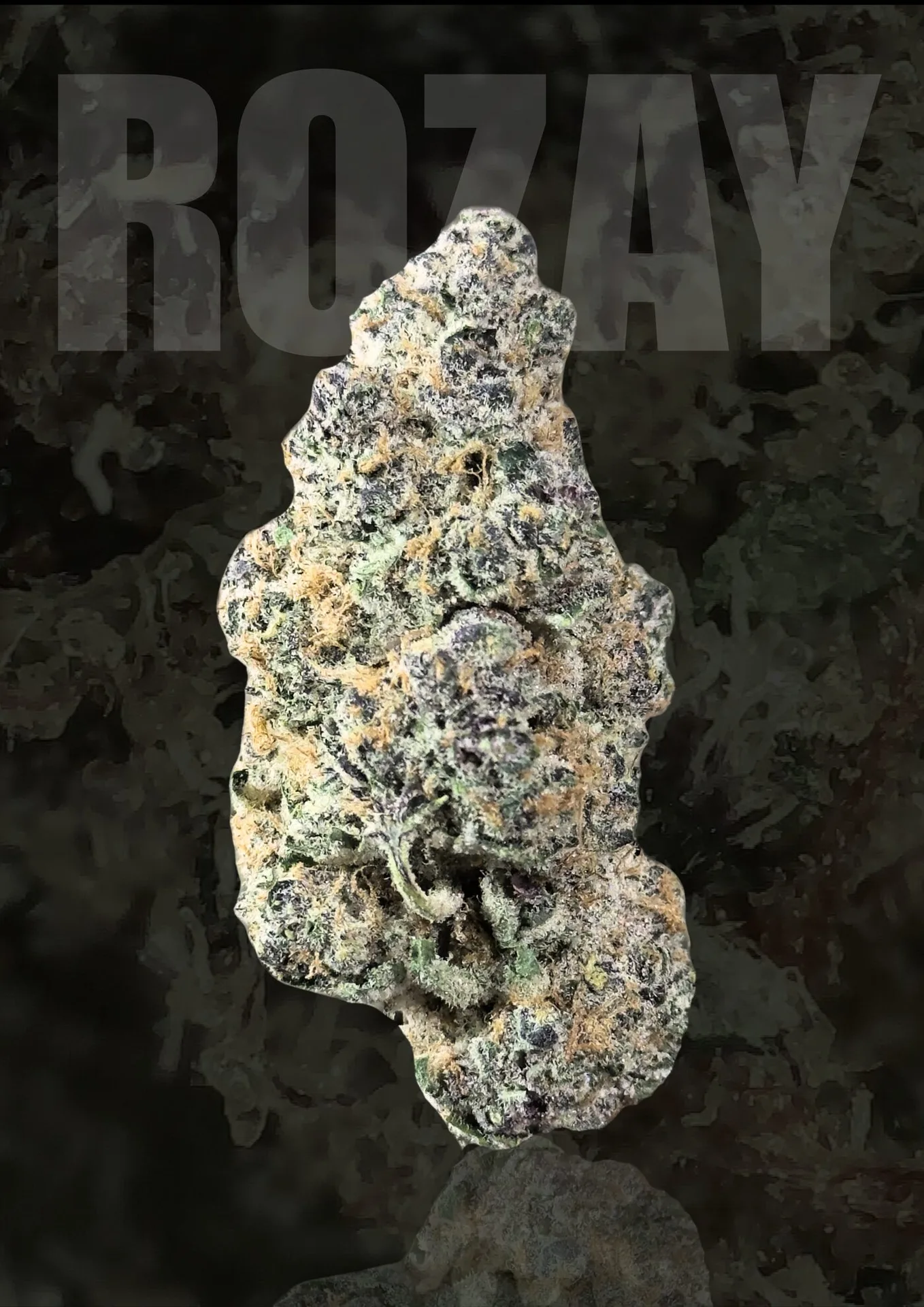
- Potency and standards. Exotic flower from 22 to 30 percent THC on every run, not a lucky result on the best rooms.
- Traceability. Full seed to shipment records stay intact regardless of how many kilos move that month.
Why consistency is the real product
Buyers in regulated markets are not just buying grams. They are buying the confidence that next month's shipment matches this month's. A distributor building a brand cannot afford flower that drifts in potency, terpene profile, or moisture from one order to the next. That drift is what kills reorders.
This is where scale, done right, actually helps the buyer instead of hurting them. A sealed indoor farm running standardized genetics and standardized process produces a repeatable result. The COA on every batch is the proof, not the marketing. When the numbers line up order after order, a buyer can plan inventory, price with confidence, and stop treating each shipment as a gamble.
Volume that a supply chain can lean on
Producing 7 or more tons a year with room to scale means we can serve importers and authorized distributors who need reliable resupply, not a one time lot that vanishes when demand grows. We work with an EU GMP partner network, and we offer white label and OEM alongside export ready packaging, so a buyer can build a product line on top of the flower rather than starting from raw material every time.
Scale gives us the cost structure to price competitively. Discipline is what keeps the flower worth buying at that price. Both matter, and neither works alone. A cheap kilo that fails a COA costs far more than the money it seemed to save.
The takeaway for buyers
When you evaluate a supplier at volume, ask where they cut and where they refuse to. Ask to see a COA on a real batch. Ask how the cure and the trim are handled when the order gets large. The answers tell you whether you are buying scaled quality or just scaled output. We built our operation so that the savings live in the parts you cannot taste, and the standard stays exactly where you can. If you want consistent, pharmaceutical grade flower you can order again next month and get the same thing, that is the whole point.