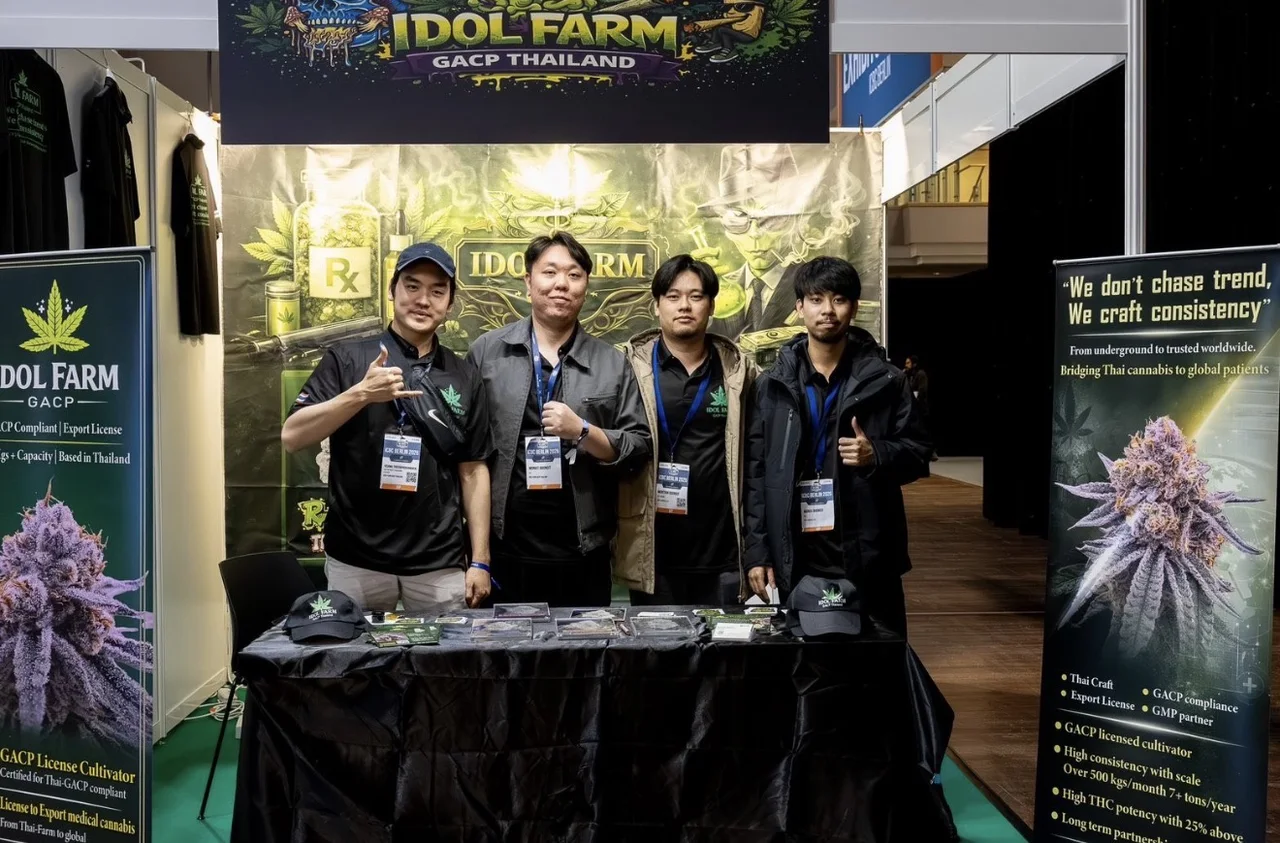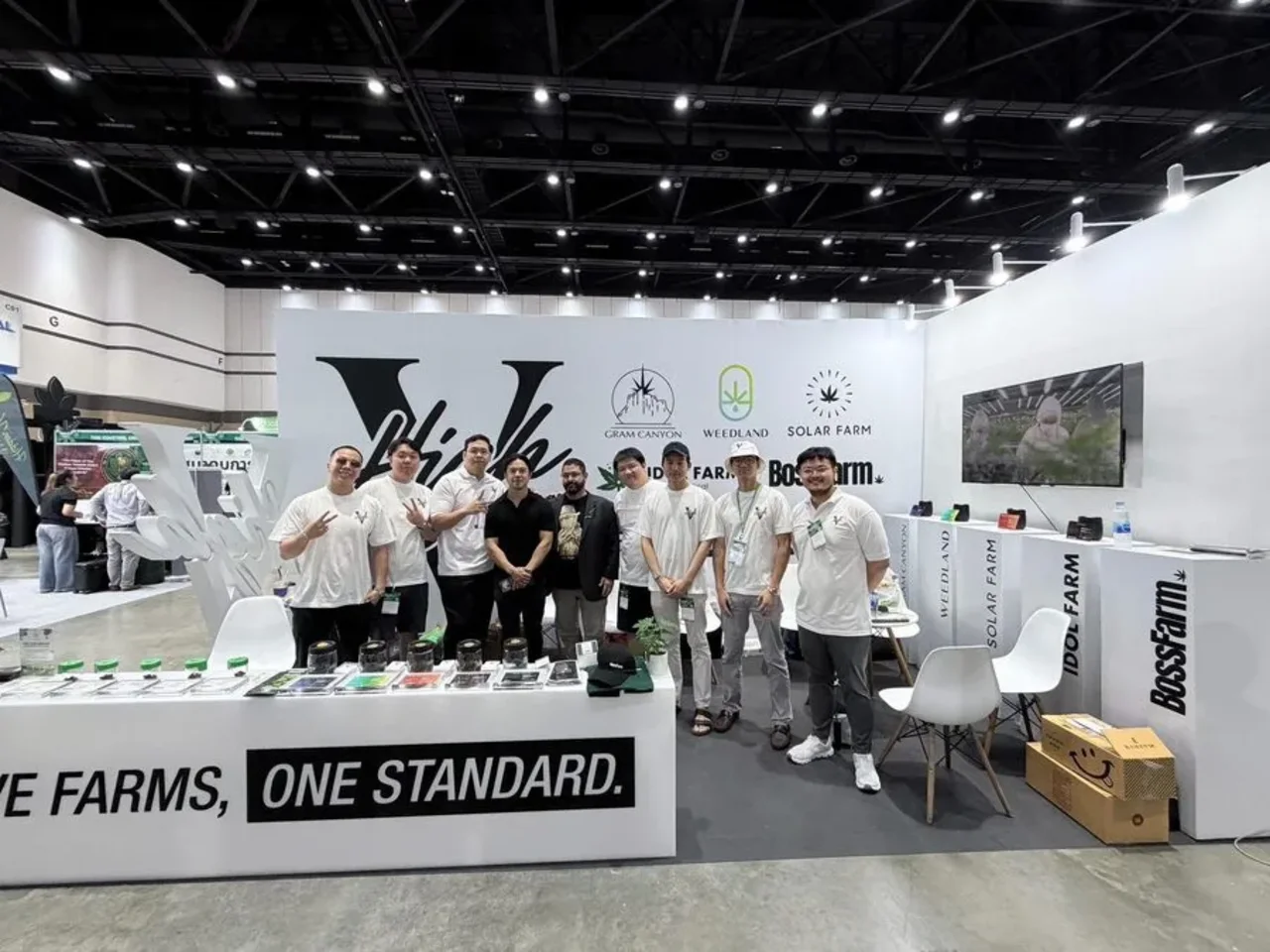

Germany and the UK are two of the hardest medical cannabis markets in the world to enter. That is exactly why we build for them. If flower clears their gates, it clears almost anywhere. We treat their rules as our baseline, not our ceiling, and we prove it on every batch.
These markets do not take our word for anything. They expect pharmaceutical grade product, complete documentation, and quality that holds from one shipment to the next. Our job is to make each batch ready long before it reaches a border inspector. When we do that well, our partners import faster and answer fewer questions.
What these markets actually demand
Germany and the UK both treat medical cannabis flower as a pharmaceutical input, not an agricultural commodity. That framing changes everything upstream. They want a clean chain of custody, testing from an independent lab, and packaging that survives regulatory scrutiny on arrival.
The specifics differ by importer and by market, but the direction is the same. Tight limits on pesticides, heavy metals, and microbials. Cannabinoid content that matches the label. Documentation that a pharmacist or a regulator can read without a phone call. We build to that standard so our partners never have to explain a gap.
How we prepare a batch
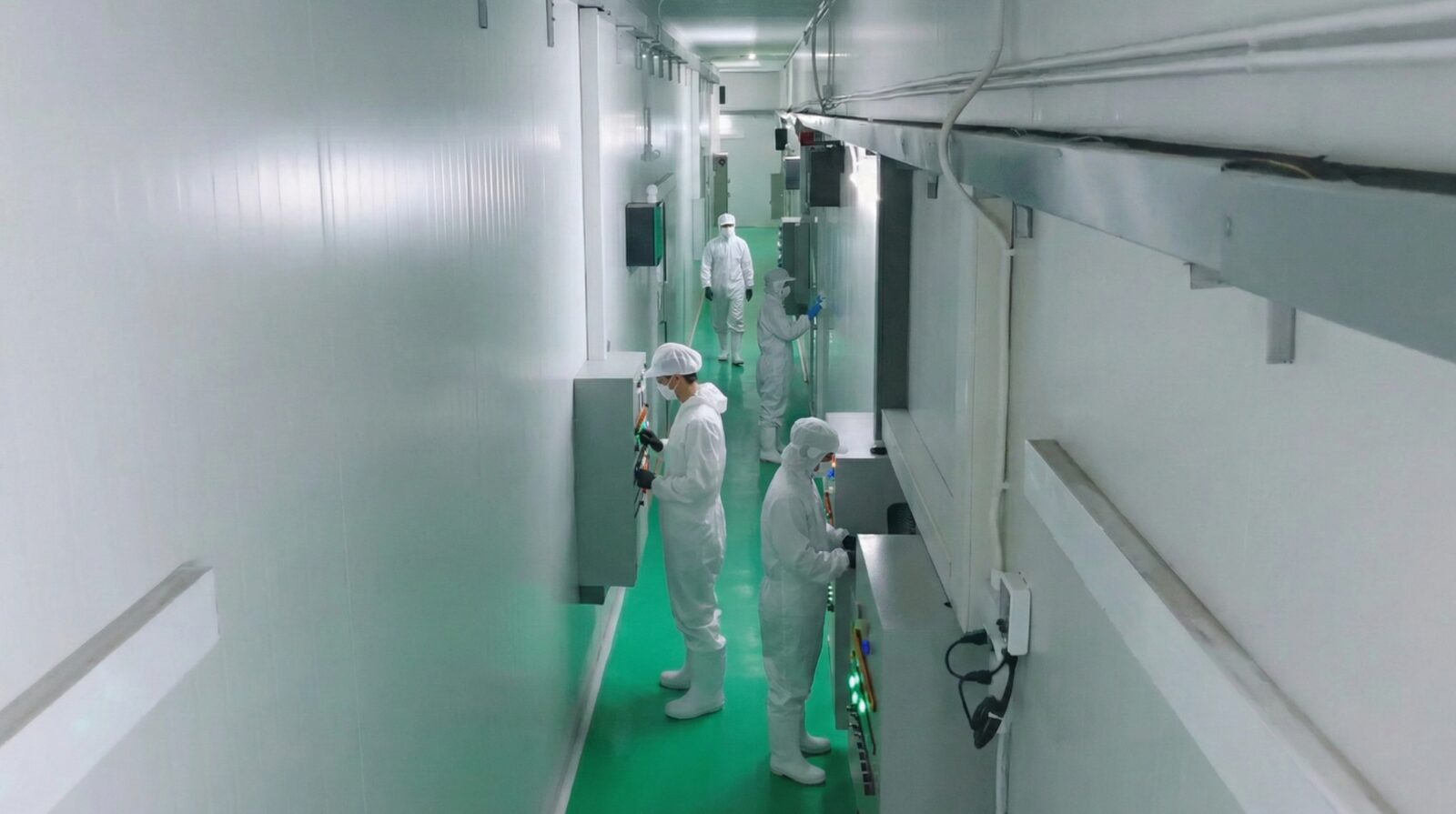
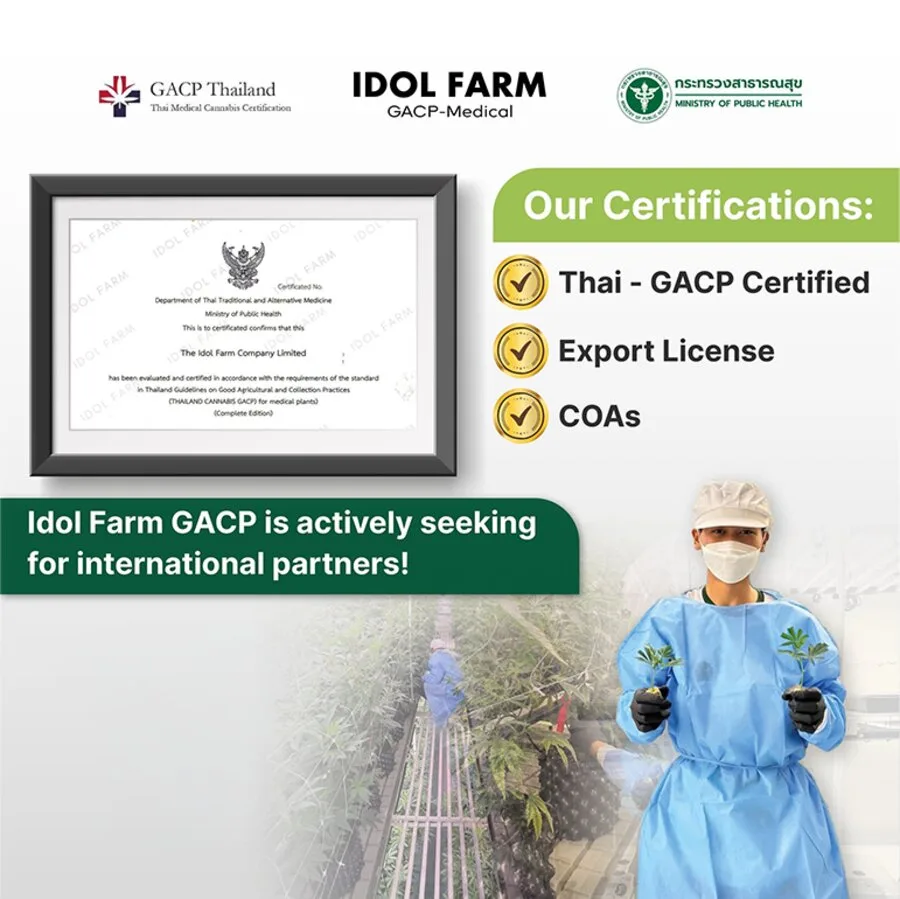
It starts with GACP on the grow and an EU GMP partner on the processing side. Our farm in Thailand is fully integrated and sealed indoor, so the plant moves from seed to finished flower inside one controlled environment. Fewer hand offs means fewer places for contamination or error to creep in.
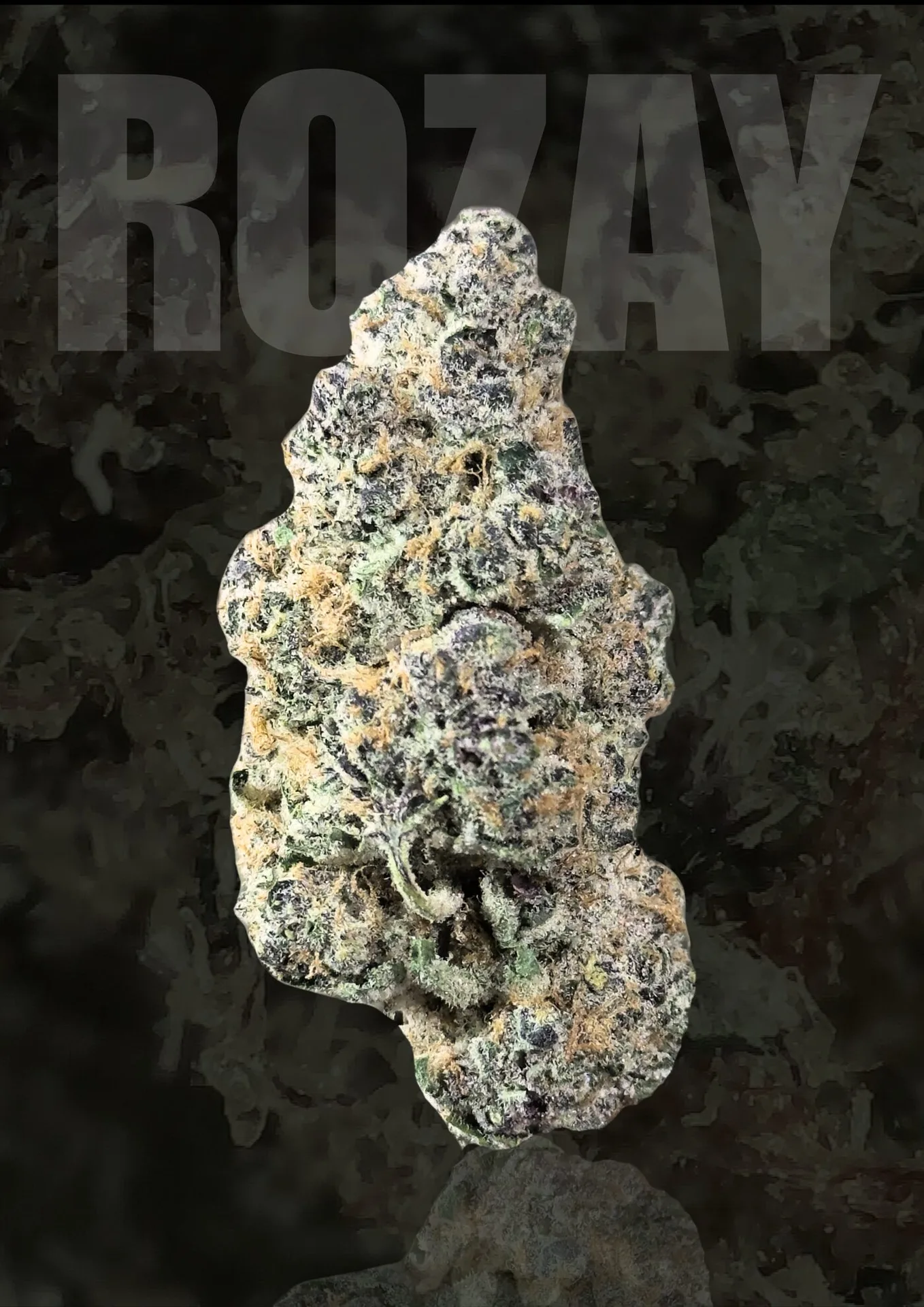
Every batch is hand trimmed, slow cured, and standardized for water activity. That last point matters more than most buyers expect. Consistent water activity is what keeps flower stable in transit and on the shelf, and it is what stops microbial problems before they start. We test, log, and pack to standards these markets recognise.
The COA does the talking
Every batch ships with a certificate of analysis from an independent lab. It covers cannabinoids, terpenes, pesticides, heavy metals, and microbials. When the paper backs up the flower, the conversation at the border gets short.
- Cannabinoid profile, with exotic flower at 22 to 30 percent THC
- Full terpene breakdown for each batch
- Pesticide, heavy metal, and microbial screening
- Water activity standardized for stability in transit
- Seed to shipment traceability tied to the batch
Why this protects the buyer
Strict markets punish weak documentation. A batch that fails an import test does not just cost that shipment. It costs time, shelf space, and trust with the regulator. We carry that risk on our side of the border so our partners do not carry it on theirs.
When our paperwork is right, our partners spend less time defending a product and more time selling it. The COA answers the question before it is asked. The traceability holds up if anyone follows the thread back to the plant. That is the quiet advantage of getting the hard markets right.
The strictest markets are the ones worth getting right, because everything easier comes for free once you do.
Consistency at scale
Meeting a standard once is not the same as meeting it every month. We produce around 500 kg of finished flower a month, more than 7 tons a year, with room to scale. Volume only helps a buyer if the batch in month twelve matches the batch in month one.
That is why we standardize the process, not just the output. Same sealed environment, same cure, same testing regime, same independent lab. An authorized distributor or pharmaceutical distributor planning a year of supply needs to know the next order will clear the same way the last one did. We build for repeatability, because that is what a regulated market actually buys.
Working with us
We offer white label and OEM production, and our packaging is export ready out of the door. Partners can bring their own brand and specifications, and we handle the flower, the documentation, and the compliance work behind it. The result is a product that fits a regulated shelf without a second round of rework.
If you import into Germany, the UK, or any market with similar rules, ask us for a current COA and a sample before you commit. Read the documentation the way your regulator will, line by line, and check it against the flower in your hand. That is the fastest way to see whether a supplier is built for these markets or just hoping to pass. We would rather be judged on the paper than the pitch, and we would rather earn a long partner than close a single order.