

Buyers who move premium flower know exactly what they are looking at. They read a bud in seconds. Structure, frost, colour, smell, and the way it feels in the hand all register at once, and each one tells them how it was grown. If you want to sell into regulated markets, it helps to see the flower the way they do.
An exotic flower is a stack of small signals. A trained eye takes them in together and forms a judgement before a single question gets asked. Miss one signal and the price drops. Hit all of them and the flower carries the buyer's brand for them. Here is what those signals are and why they decide the sale.
Structure and bud density
The first thing a buyer checks is how the flower is built. A top shelf bud is tight and heavy for its size, with calyxes stacked close and a firm feel under light pressure. That density comes from stable conditions through the whole grow, not from any one trick at the end.
Loose, airy structure reads as rushed. It also holds moisture unevenly, which shortens shelf life and invites problems in transit. We grow in a fully integrated sealed indoor farm, so temperature, humidity and airflow stay steady from clone to cut. Steady inputs give you consistent structure across a batch, and consistency is what a wholesaler is actually buying.
Trichome coverage
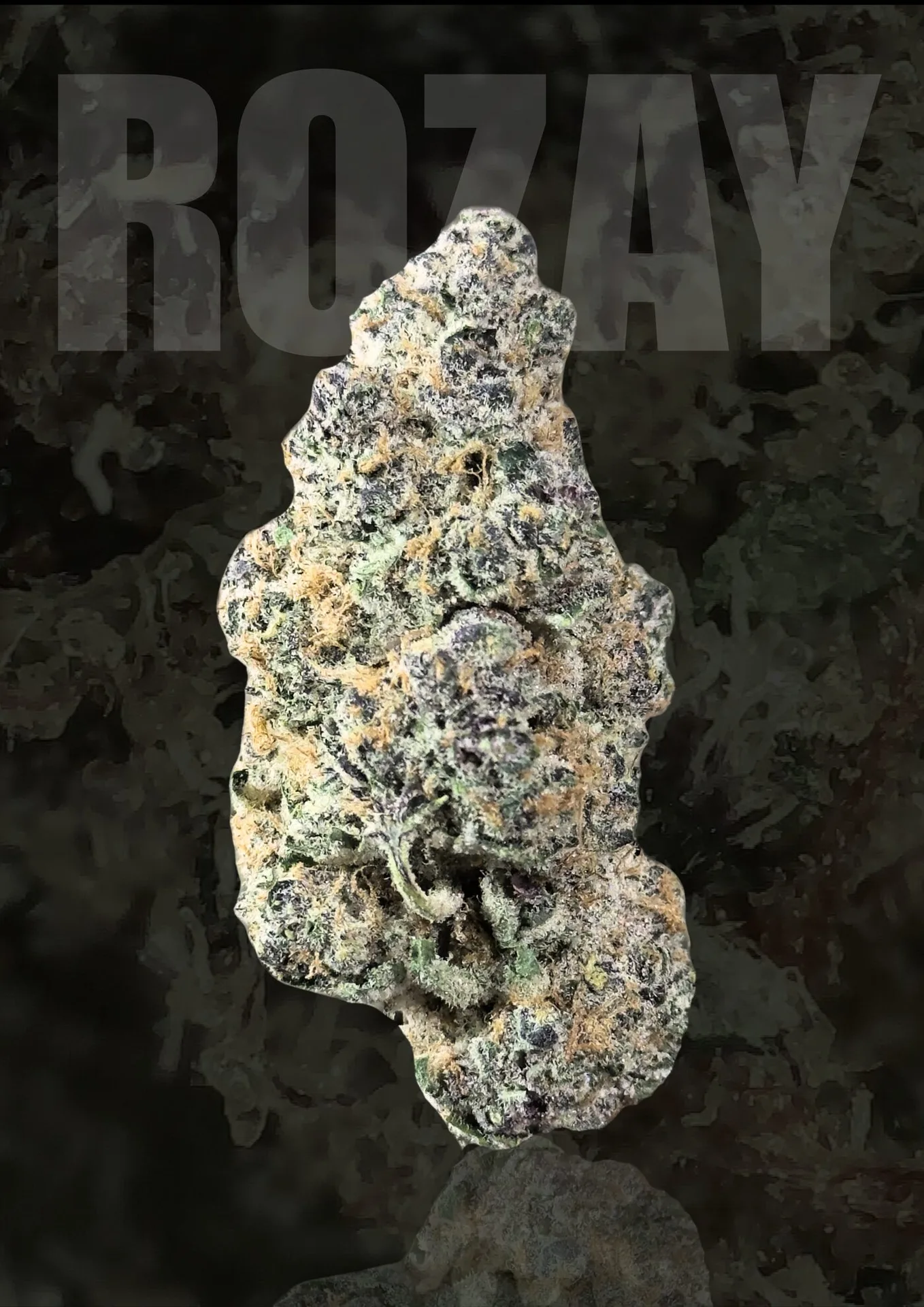
Trichomes are the small resin heads that coat a good flower. They carry the cannabinoids and terpenes, so heavy, intact coverage is both a look and a promise. Buyers tilt the bud to the light and watch how it catches. A thick, frosted coat signals potency and careful handling.
Coverage is easy to grow and easy to ruin. Rough trimming and hard handling knock the heads off and dull the flower. We hand trim and slow cure so the resin stays where it belonged on the plant. Our exotic flower runs at 22 to 30 percent THC, and a heavy trichome coat is the visible side of that number.
An exotic flower sells itself on the shelf. Every part of it is doing that job at once.
Colour and cure
Colour tells a buyer about genetics and about the cure. Deep greens, purples, and bright orange pistils show a flower that was finished with patience. A dull, hay toned bud shows the opposite, usually heat or a cure that moved too fast.
The cure is where good flower is won or lost. We cure slowly and standardize water activity across every batch, so the flower arrives stable and stays that way through a long export route. Standard water activity is not a cosmetic detail. It protects colour, smell, and safety at the same time, and it keeps a batch consistent from the first jar to the last.
Aroma and terpene load
Smell is the last check and often the one that closes the deal. A loud, clean nose signals a rich terpene profile and a flower that was handled well. Buyers open the container and read it in one breath. Fuel, fruit, gas, candy, the specific note matters less than the intensity and the cleanness of it.
Aroma fades when flower is dried too hard or stored badly. A slow cure and a sealed supply chain hold the terpenes in the bud. Because every batch ships with a COA covering the full terpene profile, buyers can match what they smell to what the lab measured, which turns a subjective check into something they can stand behind with their own customers.
What the buyer is really scoring
Put those signals next to each other and a pattern shows. Every one of them points back to how the flower was grown, cured, and handled, not to luck. That is why professional buyers trust the whole picture over any single feature. When a buyer inspects a sample, this is the short list running in their head.
- Dense, heavy structure that holds up in transit
- Full, intact trichome coverage across the bud
- Rich colour with no signs of heat or a rushed cure
- A loud, clean aroma that matches the lab report
- Consistency from the first unit to the last
We build for that list on purpose. Full seed to shipment traceability means every batch can be tied back to its exact grow and cure. An independent lab issues a COA on each one, covering cannabinoids, terpenes, pesticides, heavy metals and microbials, so a buyer's eye and the paperwork tell the same story.
Why anatomy drives the price
An authorized distributor sells on shelf appeal. A flower that hits every mark moves faster, holds its price, and carries the shop's brand without much help. That is why exotic flower earns a premium and why buyers are demanding about it. They are not paying for weight. They are paying for a flower that does the selling for them.
We produce around 500 kilograms of finished flower a month, more than seven tons a year, with room to scale, and we hold the same standard across all of it. That combination, high grade and steady volume, is what a serious importer needs.
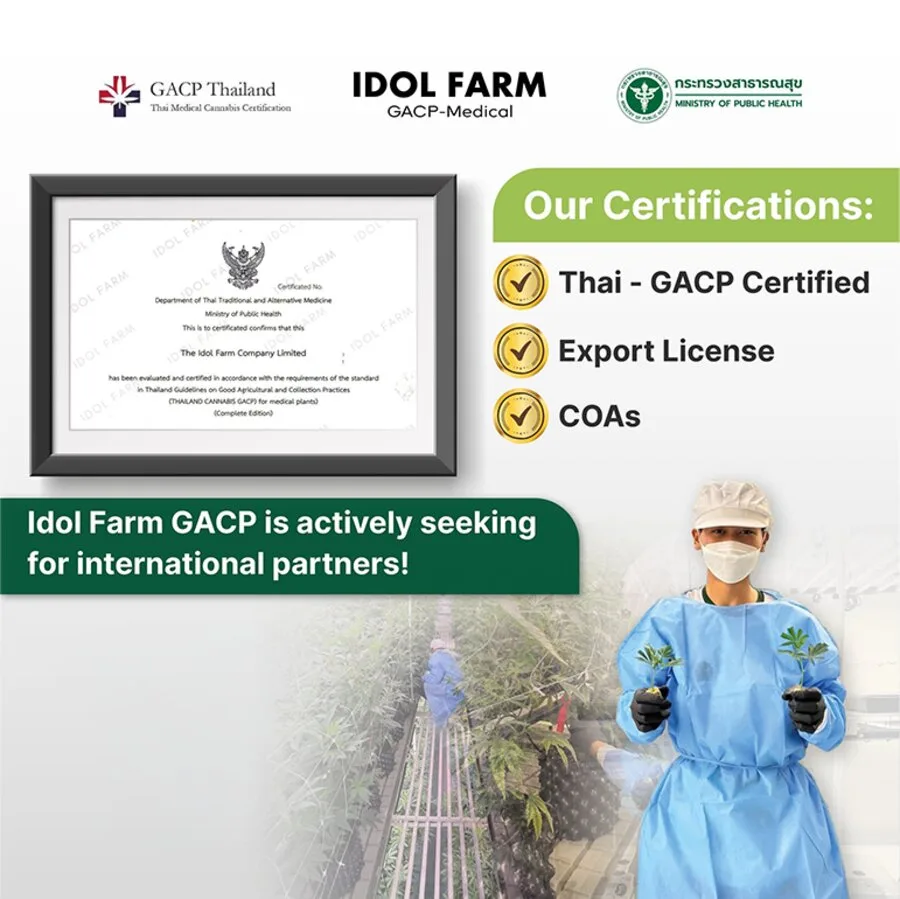
If you are sourcing exotic flower for a regulated market, judge it the way your customers will. Check the structure, the frost, the colour, and the nose, then confirm all of it against the COA. Ask for a sample and read it against this list. We are GACP certified, work with an EU GMP partner network, and offer white label, OEM, and export ready packaging, so the flower that passes your inspection is the flower that reaches your shelf.