
Great flower starts long before it is planted. It starts with the genetics, and with how carefully they are chosen, tested, and kept. Every batch we ship traces back to a decision we made about a single plant, months earlier. Get that decision right and the rest of the work has something to build on. Get it wrong and no amount of skill in the room can save the harvest.
We import premium seed stock, then do the selection work ourselves. Out of hundreds of plants, only the strongest phenotypes ever make it into production. That is the part most buyers never see, and it is the part that decides what lands in the jar.
Why genetics decide everything downstream
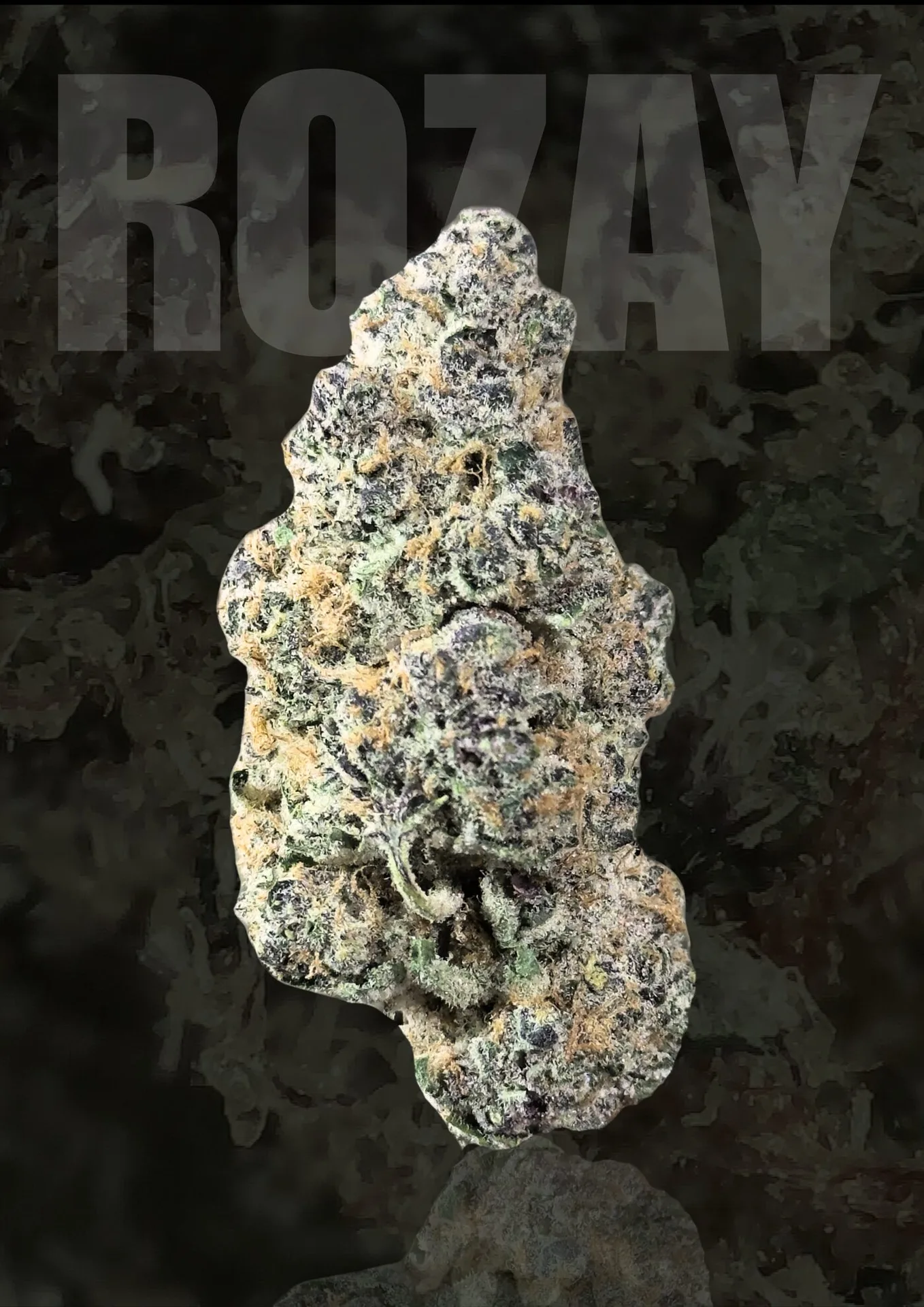
A cultivar sets the ceiling. It fixes the cannabinoid potential, the terpene profile, the structure of the bud, and how the plant behaves under stress. We can protect that ceiling with clean rooms and slow curing, but we cannot lift it. Weak genetics grown perfectly still give you weak flower.
This is why we treat selection as the first quality control step, not a formality. When we commit a line to our rooms, we are committing months of light, labor, and space to it. The plant has to earn that. We push for exotic flower at 22 to 30 percent THC, with terpene profiles that hold up after cure, and we do not compromise on either to fill a room faster.
Why we select in house
Two plants from the same seed batch can be very different. One carries the nose, the color, and the yield we want. The next one looks the part and disappoints in every measure that counts. The only honest way to tell them apart is to grow them out here and judge them under our own conditions.
So that is what we do. We run seed stock, watch each phenotype through a full cycle, and keep records on what each one gives us. We look at more than potency. We look at how the plant fills out, how it holds its terpenes through the dry, how it responds to our climate, and how the finished flower behaves once water activity is standardized.
- Vigor and structure through the full grow cycle
- Cannabinoid potency, verified by lab, not by eye
- Terpene depth that survives slow curing
- Bud density, trim quality, and shelf appeal
- Stability across repeated runs, not a single lucky harvest
Keeping the line clean
Selecting a strong mother is half the job. Keeping her true is the other half. Genetics drift. Run a line long enough without discipline and the plant you started with slowly becomes something else. Potency slips. The nose fades. The buyer who ordered on a sample gets a different product three months later.
We guard against that with a working mother stock and fresh clones every cycle. We do not chase clones of clones down a long chain where small changes stack up. We go back to the source we chose and vetted. That is how a strain stays the same, batch after batch, for buyers who plan a year of orders around one profile.
Exclusive genetics are only worth it if you can reproduce them every single run.
Proof, not promises
Consistency is a claim until you can show it. Every batch we ship carries a COA from an independent lab, covering cannabinoids, terpenes, pesticides, heavy metals, and microbials. Put the reports side by side across runs and the line either holds or it does not. Ours holds, and we would rather you check than take our word for it.
What clean genetics mean for your business
For an importer or a distributor, genetics are not an abstract growing detail. They are the reason a reorder matches the first order. When your distribution group builds a menu around a cultivar, or your pharmacy channel registers a product on a specific profile, drift is not an inconvenience. It is a compliance problem and a trust problem with your own customers.
Stable genetics protect the whole chain behind you. They make white label and OEM programs viable, because the product you put your name on this quarter is the product you get next quarter. Combined with full seed to shipment traceability, they let you stand behind every claim you make to the market you serve.
How this fits our operation
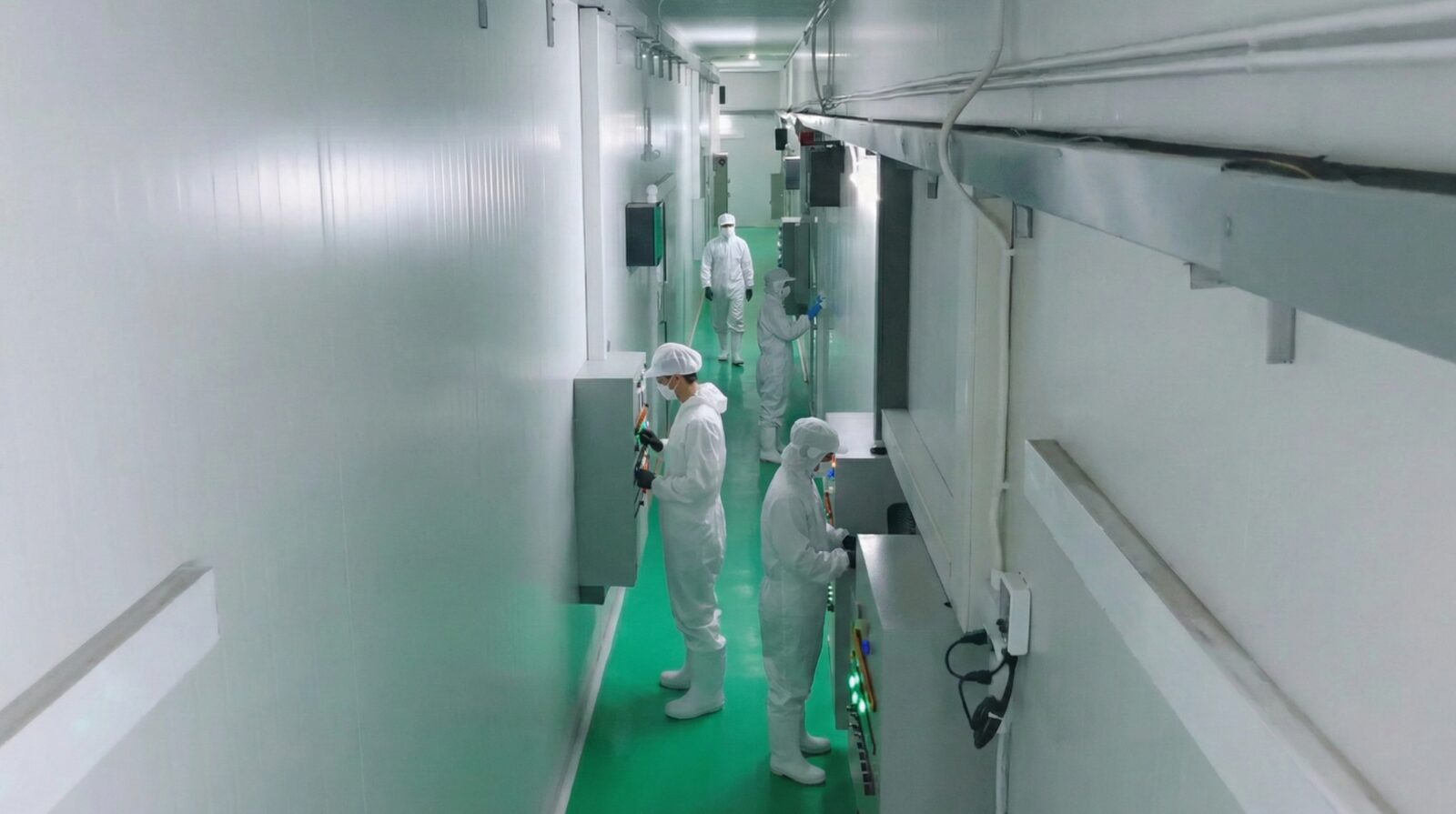
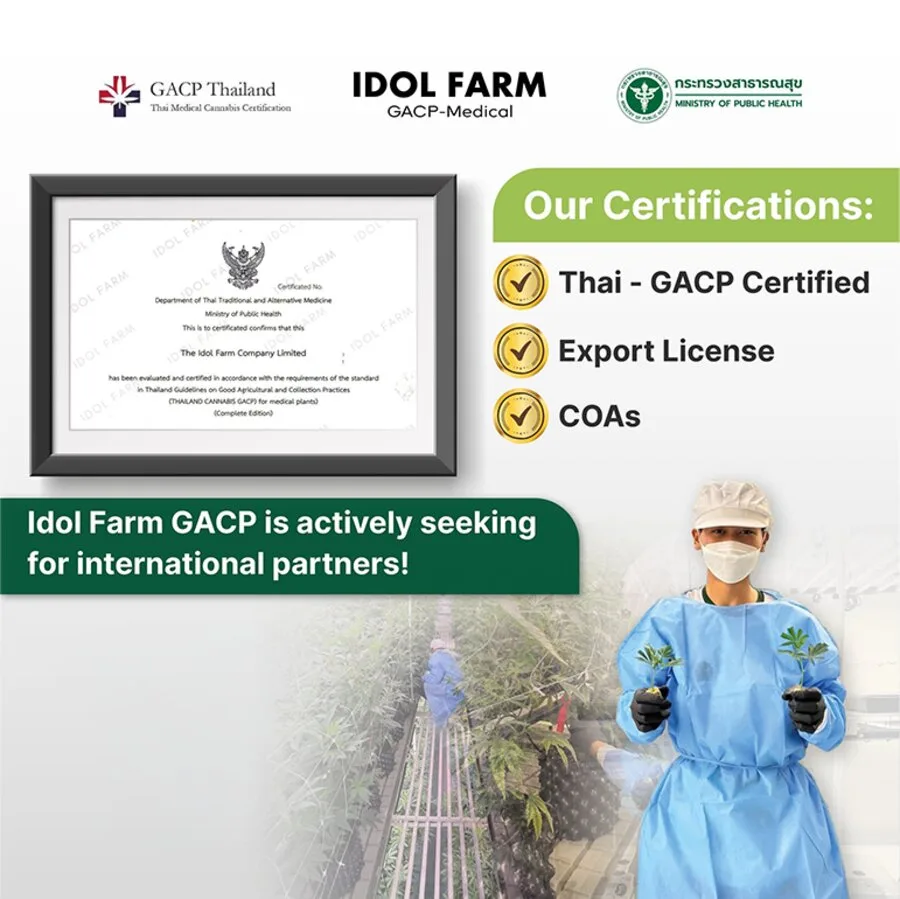
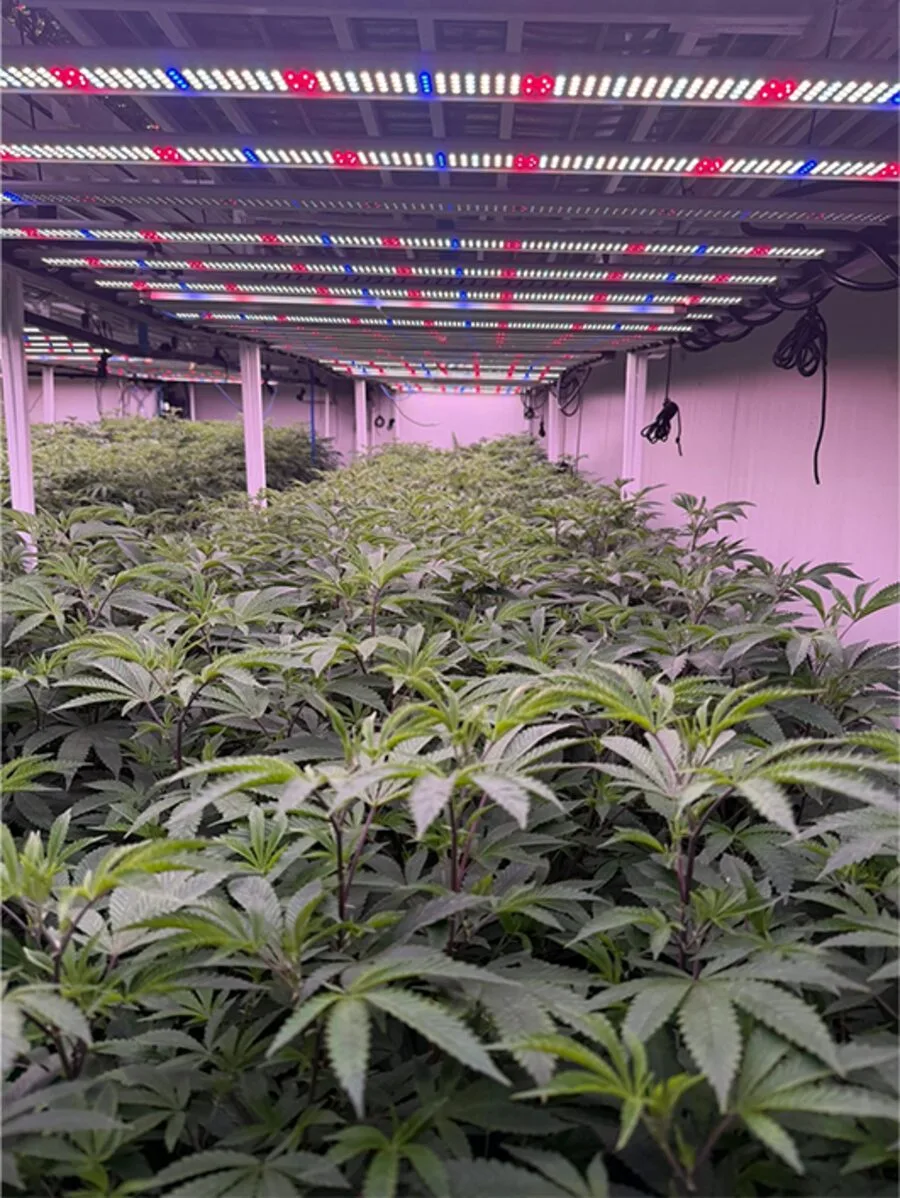
We run a fully integrated, sealed indoor farm in Thailand, GACP certified and working within an EU GMP partner network. We finish around 500 kg of flower a month, 7 tons or more a year, with room to scale. None of that volume means anything without genetics that behave, so selection and mother care sit at the front of the whole system, not off to the side.
That integration matters. Because we control the line from seed choice through cure, trim, and export ready packaging, there is no handoff where the genetics get muddied or the story gets lost. One team owns the plant from the decision to grow it to the moment it ships.
The practical takeaway when you evaluate a supplier, look past the current harvest and ask how they hold a line over time. Ask to see the mother program, ask for COAs across several batches of the same cultivar, and check that the numbers stay steady. A farm that can answer those questions plainly is a farm you can build a year of business on. That is the standard we hold ourselves to, and it is the conversation we are glad to have.