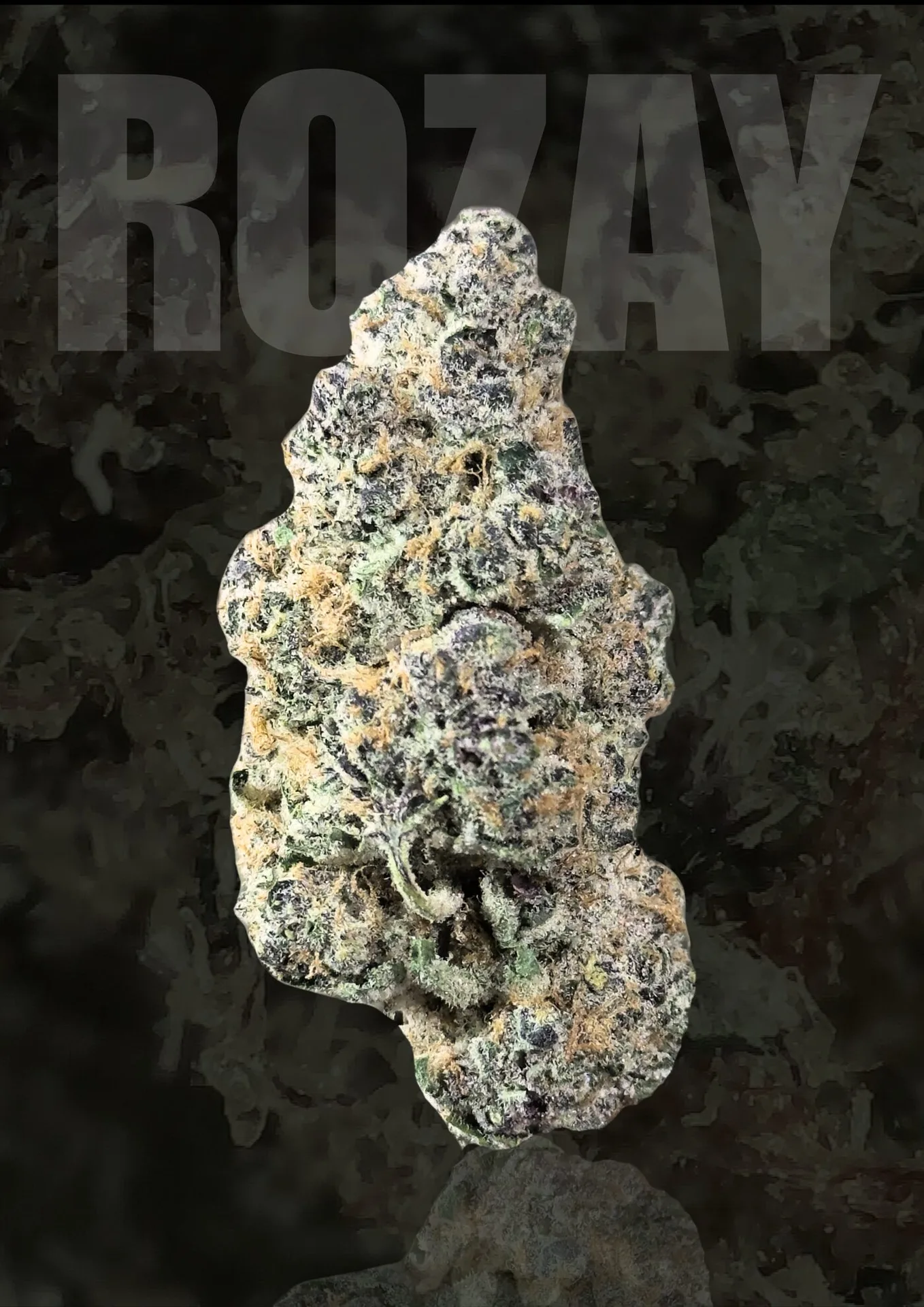


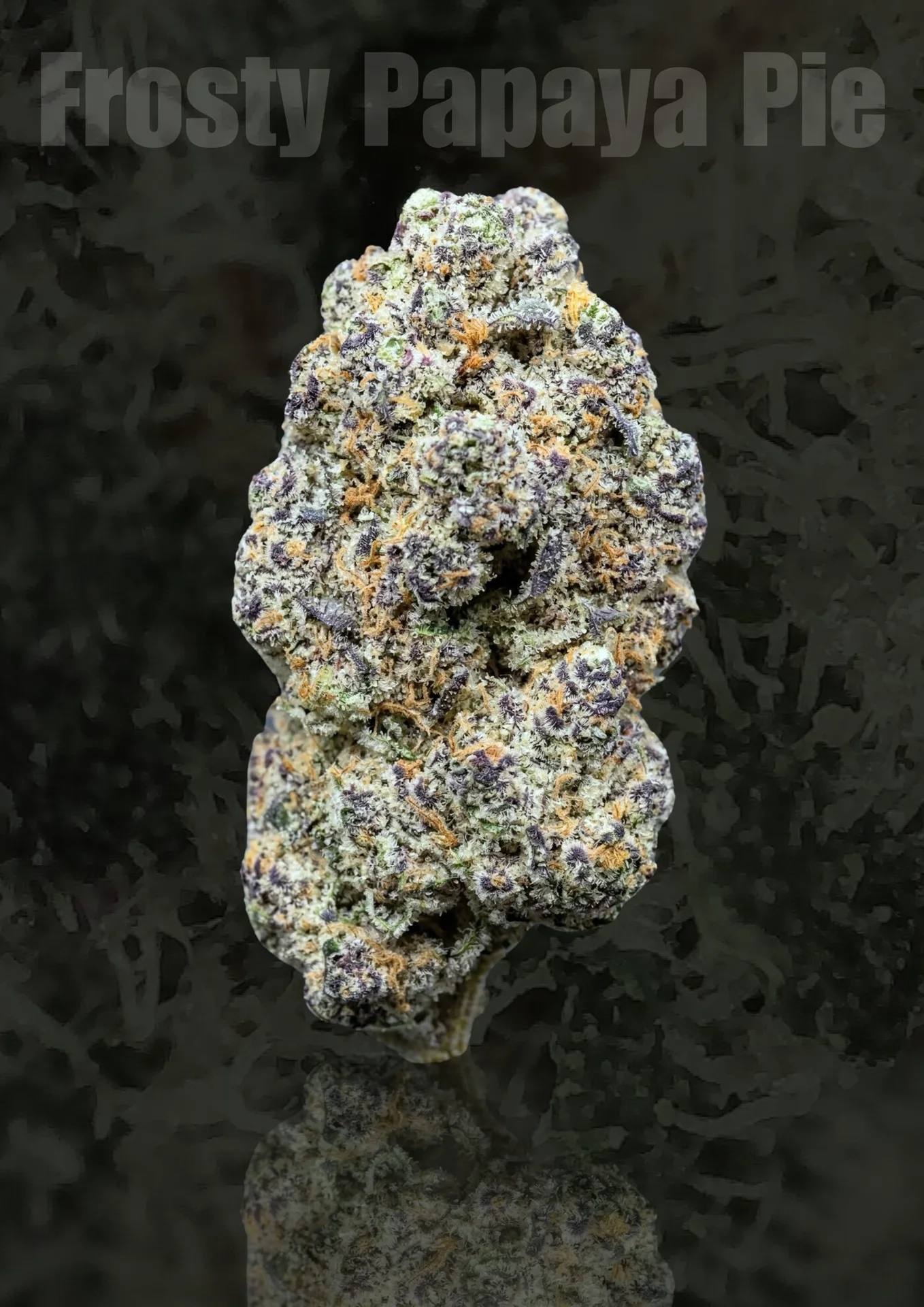
The frosty crystals on a bud are called trichomes, and they hold most of what makes exotic flower valuable. Cannabinoids live there. So do the terpenes that give each cultivar its smell and its character. How you harvest decides how many of those trichomes survive to reach the buyer, and that single decision separates top shelf flower from ordinary product.
Trichomes are fragile. They sit on stalks a fraction of a millimeter tall, and they snap off at the lightest touch. Rough handling knocks them loose, and with them go the potency and aroma buyers pay for. You cannot put them back. Everything we do at harvest is built to keep them where they belong.
Timing the cut
The harvest window is short, and it moves cultivar by cultivar. Cut early and the trichomes are still clear, the potency underdeveloped. Cut late and they degrade, the effect turns heavy and dull, the aroma flattens. We watch each block closely and pull it at the point where the trichome heads are ripe and the terpene profile is at its peak.
Because our farm is fully integrated and sealed indoor, we control the run from the last days of flower straight through the cut. No weather forces our hand. No rushed decisions. We harvest on the plant's schedule, not the calendar's.
Handling that protects the frost
Most trichome loss happens after the cut, not before it. Every extra touch, every rough drop into a bin, every bud rubbing against another one costs frost. We handle the plants gently and whole. We move them slowly. We keep the trichome layer intact through drying and into the trim room.
You cannot add trichomes back. You can only avoid knocking them off.
That line drives how our team works. Speed matters, but never at the cost of the layer that makes the flower worth exporting.
Slow cure, hand trim, standardized water activity
A fast dry strips terpenes and leaves the flower harsh. We slow cure instead, holding the environment steady so moisture leaves the bud at a controlled pace. The terpenes stay locked in. The smoke stays smooth. The structure holds.
Then the flower is hand trimmed. Machines are faster, but they beat the buds and shear off frost. A trained hand takes only the leaf and leaves the trichome heads standing, and it can shape the bud so it presents well in the jar. We finish by standardizing water activity across the batch, which keeps the flower stable in transit and holds it inside spec for microbial safety.
- Cut at peak trichome and terpene ripeness, cultivar by cultivar.
- Gentle, whole plant handling from field to dry room.
- Slow cure to hold terpenes and protect structure.
- Hand trim to preserve the trichome layer.
- Standardized water activity for stability and shelf life.
Why it shows in the jar
Well handled flower still sparkles when it reaches the buyer. That frost is not decoration. It is the visible proof that the harvest was done with care and that the potency and aroma are intact. Our exotic cultivars sit at 22 to 30 percent THC, and a buyer can see the difference the moment the jar opens.
We back what the eye sees with numbers. Every batch ships with a COA from an independent lab covering cannabinoids, terpenes, pesticides, heavy metals and microbials. The label tells one story. The lab confirms it.
Built for buyers who need consistency
One good harvest is easy. Repeating it every month is the real test. We produce around 500 kg of finished flower a month, more than 7 tons a year, with room to scale, and we hold the same harvest standard across every run. That consistency is what importers, wholesalers and pharmaceutical distributors actually need, because a buyer cannot build a program on flower that changes batch to batch.
Behind each shipment sits full seed to shipment traceability, GACP certification and our EU GMP partner network. We offer white label and OEM, and the flower leaves in export ready packaging. The harvest discipline is where it starts, but it runs through the whole chain.
The practical takeaway
If you are sourcing exotic flower for a regulated market, look past the top line THC number and ask how the crop was handled at harvest. Ask about timing, about trim method, about cure, about water activity. Ask to see the COA. Those answers tell you whether the frost in the photo will still be there when the pallet lands. Ours will be, and we can prove it batch by batch. Talk to us when you are ready to see a sample.