
A Certificate of Analysis looks technical, but the parts that matter are simple. Once you know where to look, you can size up a batch in about a minute and know whether it belongs in your supply chain. Here is how we read one, line by line.
A COA is the single most useful document a supplier can hand you. It is proof, not marketing. Every batch we ship carries one from an independent lab, covering cannabinoids, terpenes, pesticides, heavy metals and microbials. This is how to make that document work for you.
Start with the batch, not the numbers
Before you read a single value, check that the report matches the exact batch in front of you. Look at the sample ID, the batch or lot number, the harvest or production date, and the product name. They should line up with the flower you are being offered. A COA for a different batch tells you nothing, no matter how good the numbers are.
Then confirm the lab. An independent, accredited third party should sign the results, not the supplier. If the farm tested its own flower and asks you to trust it, you are reading a marketing sheet.
If a supplier cannot show a COA for the batch in front of you, that is your answer.
Cannabinoids the strength
This section is the one buyers read first, and for good reason. Total THC and total CBD tell you the potency of the flower and where it sits in your catalogue. Watch for the difference between THCA, the acidic form found in raw flower, and delta 9 THC. A proper COA reports both and gives you a total THC figure that accounts for the conversion during decarboxylation.
Our exotic flower tests at 22 to 30 percent THC. That number should be consistent across batches, not a one off peak. Ask for COAs from several recent batches and you will see whether a farm can hold a spec or just got lucky once.
Terpenes the character
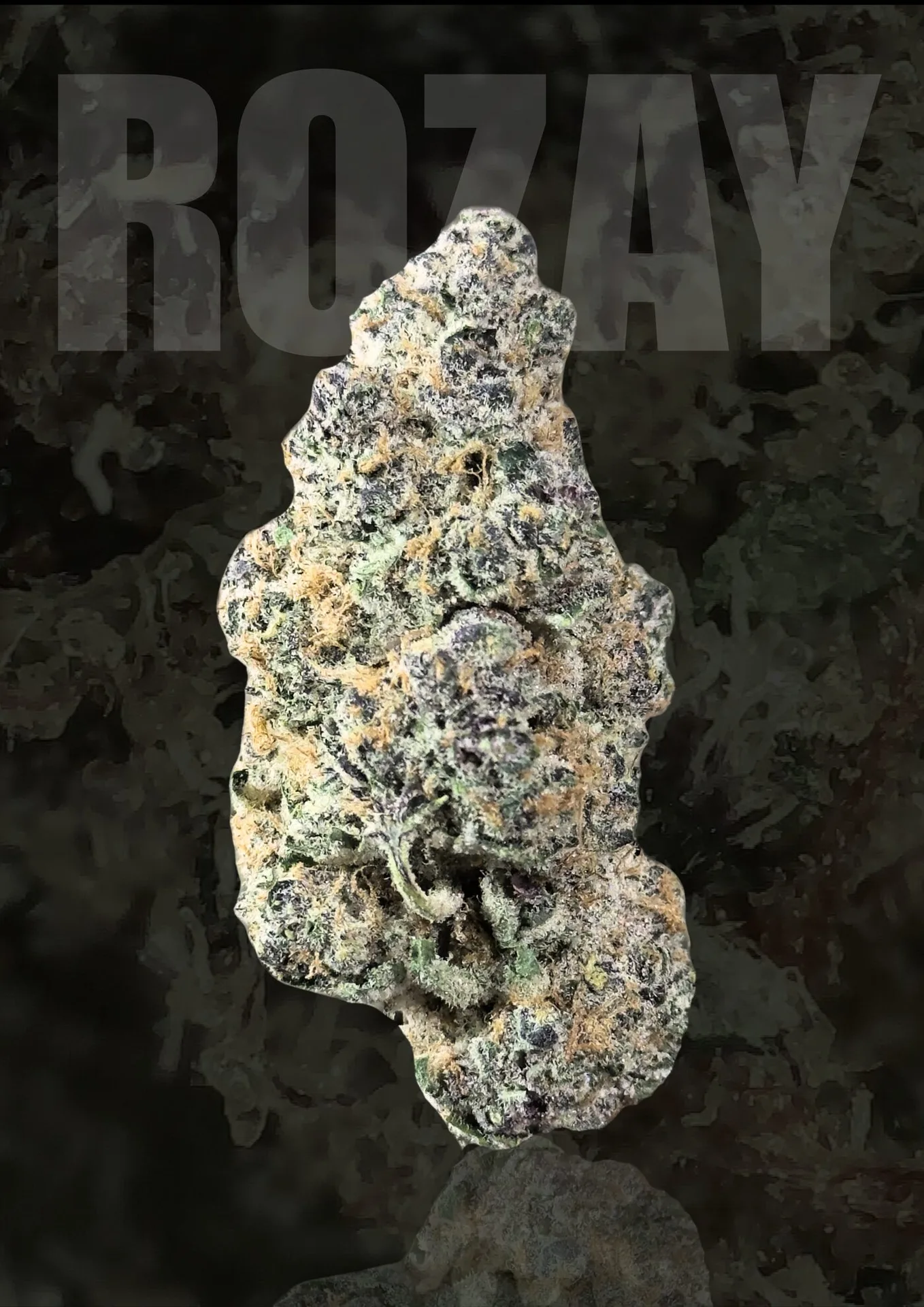
Cannabinoids tell you how strong. Terpenes tell you what it actually is. This section lists the aromatic compounds that drive smell, flavour and the character your customers pay a premium for. A rich terpene profile is the difference between commodity flower and top shelf exotic.
Look at the total terpene percentage and the dominant compounds. Consistency here, batch to batch, is what lets you build a brand around a cultivar instead of shipping a lottery.
Contaminants the safety line
This is the section that keeps flower out of regulated markets, and it is where most product fails. Read it carefully. Every result should read as pass or not detected against the limits for your destination market. If you see numbers here instead of clean passes, stop and ask why.
There are four things to check, and none of them is optional
- Pesticides. Every listed compound should come back not detected or below the action limit.
- Heavy metals. Lead, arsenic, cadmium and mercury, all under the threshold for your market.
- Microbials. Total yeast and mould, aerobic count, and the pathogens like Salmonella and E. coli, all passing.
- Residual solvents and mycotoxins. Relevant where required, and clean when they appear.
Water activity is the quiet one
Water activity does not always sit on the front page, but it decides whether flower stays stable in transit and on the shelf. Too high and you invite mould weeks after the COA was signed. We standardize water activity on every batch, slow cure and hand trim, so the flower that passes testing is the flower that arrives.
What separates a real COA from a nice looking one
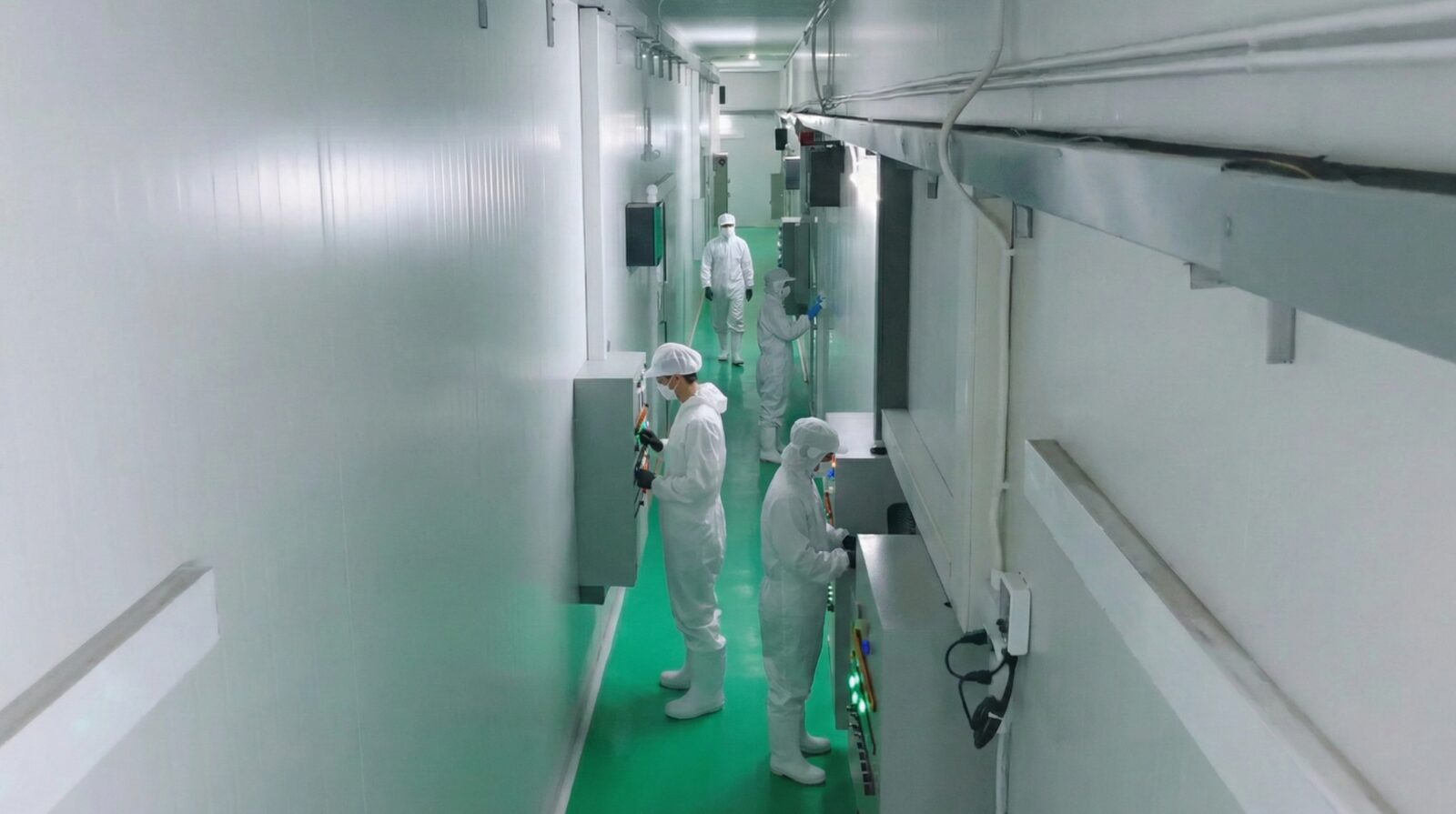
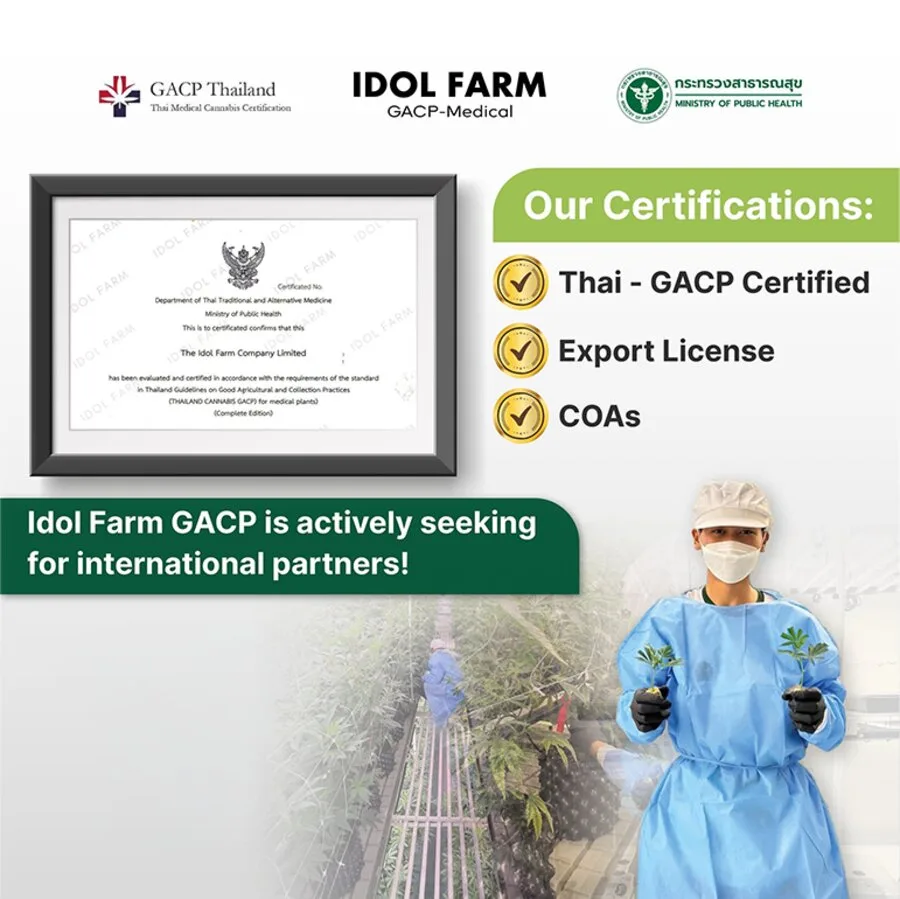
A good COA is recent, independent, and tied to a batch you can trace back to the plant. Ours are. We run a fully integrated sealed indoor farm in Thailand, GACP certified, with an EU GMP partner network and full seed to shipment traceability. That chain is what makes the paper mean something.
The point of a COA is not to impress you. It is to let you verify, independently, that what a farm claims is true. When the document, the batch and the flower all agree, you can buy with confidence and defend that decision to your own regulators.
Practical takeaway ask for the COA before you talk price, check that it matches the batch and comes from an independent lab, and read the contaminant section first. Do that on every purchase and you will filter out most of the market before it ever costs you money. If you want, we will walk you through a current batch COA and show you exactly what to look for.