

The flower is the easy part. For many buyers, the licence is where a first deal slows down. We have watched clean, top shelf batches sit in limbo not because of the product, but because a single line on an import permit did not match a single line on the paperwork leaving our farm.
An import licence is a country's way of controlling who brings cannabis in and under what terms. It is the gate between a signed order and a delivered shipment. Get it right and everything downstream moves on schedule. Get it wrong and the cost lands on you in storage fees, missed sales windows, and a supplier relationship that starts on the back foot.
What an import licence actually covers
A licence is not one document. It is a set of conditions that spell out who may import, how much they may bring in, and on what terms. The details are specific by design. Product form, cannabinoid limits, batch quantities, intended end use, and the named parties on both sides of the transaction all sit inside that permit.
Miss a single detail and the shipment waits at the border while it gets sorted out. Regulators do not read intent. They read documents. If the flower described on the permit does not match the flower described on the export paperwork, the goods stop moving until the mismatch is resolved.
Where deals slow down
Most delays are not dramatic. They are small gaps between what the importer's licence expects and what the supplier sends. A quantity rounded differently. A product description written one way on the permit and another way on the invoice. A certificate that covers the right batch but names it by a code the customs officer cannot reconcile.
These are avoidable. They come from paperwork prepared in isolation, where the farm ships what it always ships and the importer files what it always files, and nobody checks that the two line up before the container leaves.
A licence does not move flower. It just decides whether the flower is allowed to move at all.
How we make it easier from the farm side
We treat documentation as part of the product. Before a shipment is booked, we line up our paperwork to match what the importer needs on their end. Clean documents from the farm keep the importer's side of the process on track, because the officer reviewing the file sees one consistent story from grower to border.
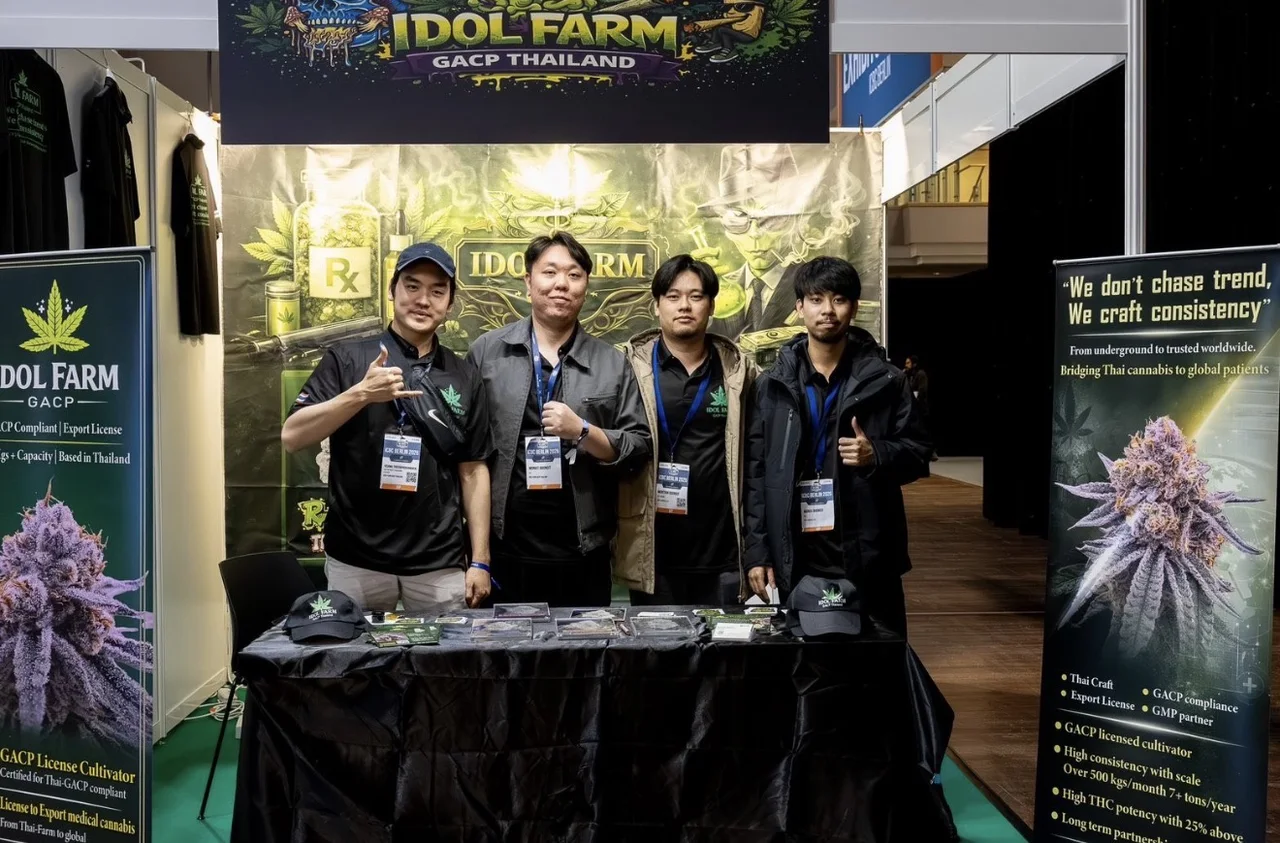
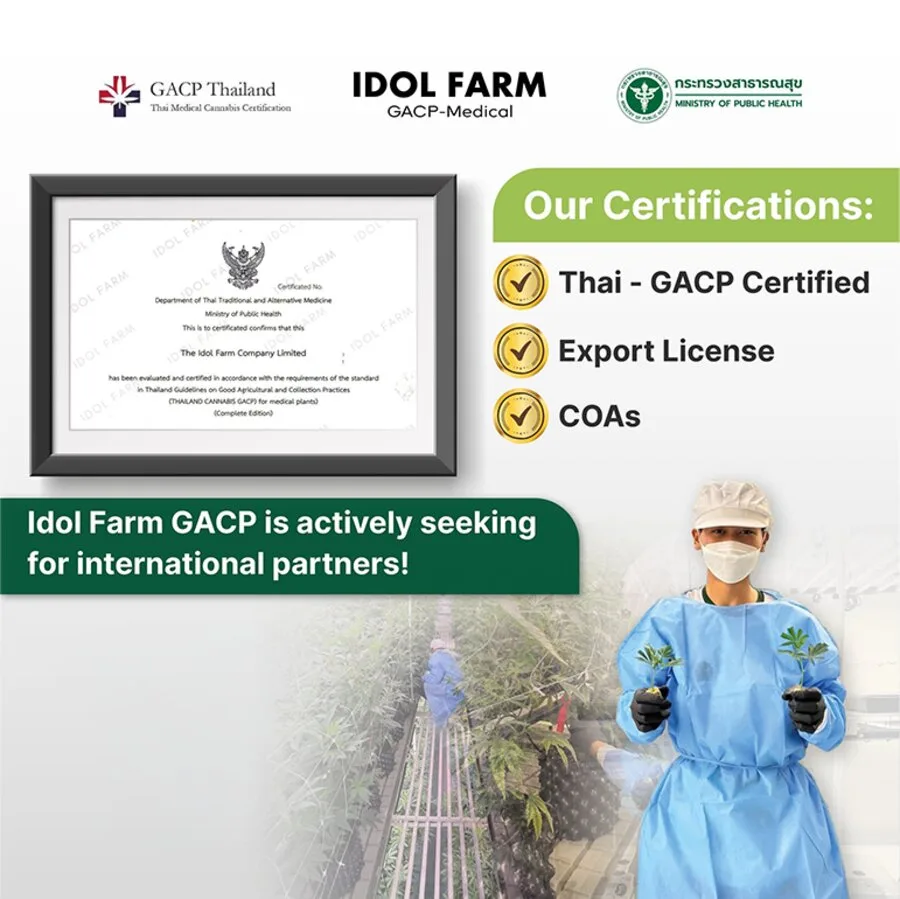
Our farm is built for this. We run a GACP certified, fully integrated sealed indoor operation in Thailand, with an EU GMP partner network behind it. Every batch carries a COA from an independent lab covering cannabinoids, terpenes, pesticides, heavy metals, and microbials. Full seed to shipment traceability means the batch on the permit is the batch in the box, and we can prove it at every step.
Here is what we prepare so an importer's licence conditions are easy to satisfy
- A COA on every batch, from an independent lab, matched to the exact lot being shipped.
- Product descriptions and quantities written to align with the importer's permit language.
- Full traceability records from seed to shipment, ready for review.
- Export ready packaging and labelling that holds up to inspection.
- White label and OEM documentation prepared to the same standard as our own.
Why the supplier's standard matters to your licence
A permit tends to reflect the quality of the operation behind the goods. When a regulator sees consistent, defensible documentation from a certified farm, the file moves faster. When the paperwork is thin or inconsistent, every question becomes a reason to hold the shipment.
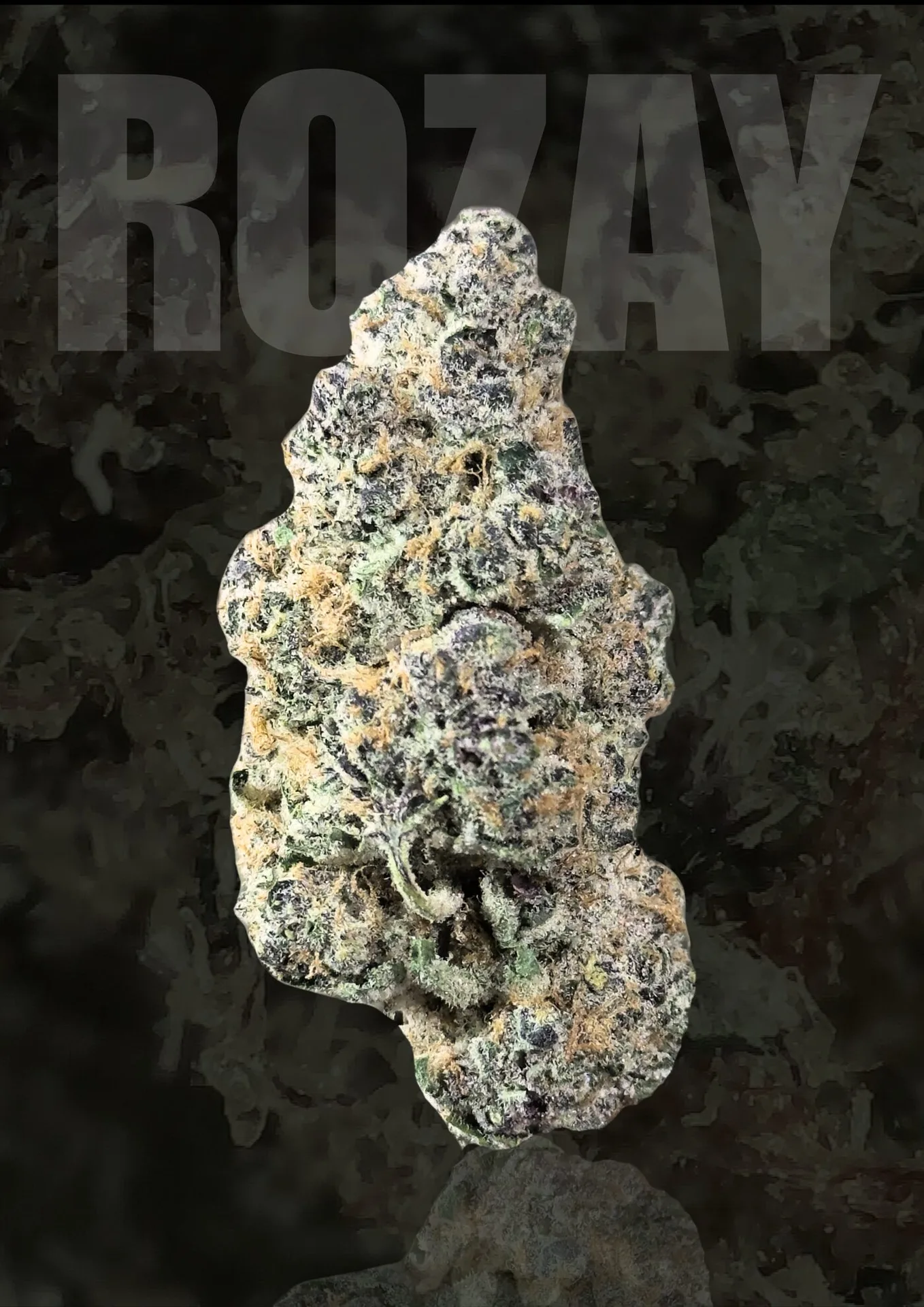
We produce around 500 kg of finished flower per month, more than 7 tons a year, with room to scale. That volume only works if it moves cleanly across borders. So we build the documentation to carry it. Exotic flower at 22 to 30 percent THC, hand trimmed, slow cured, with water activity standardized, means nothing to a buyer if it is stuck in a bonded warehouse over a clerical gap.
What we need from you
The fastest imports happen when the importer shares their licence conditions early. Send us the permit language, the required product descriptions, and any format your customs authority expects. We shape our export file to fit. The earlier we see it, the fewer surprises land at the border.
The practical takeaway
Do not treat the licence as an afterthought once the flower is chosen. Start it in parallel with your sourcing conversation. Pick a supplier who understands that clean paperwork is part of the deal, not a favour. Bring your permit conditions to the table on day one, and let the farm build its documents around them. That is how a first shipment clears without drama, and how the second one becomes routine.