

Indoor growing gives us one big advantage. We control the weather. And weather is what shapes a flower's terpenes, its potency, and how consistent a batch looks when it lands in your warehouse.
Outdoor and greenhouse crops ride the seasons. A hot week, a wet month, a cold night, and the plant reacts. Terpenes are the compounds behind smell and flavour, and they are sensitive to all of it. Get the climate right and they develop fully. Get it wrong and the flower goes flat, no matter how good the genetics were on paper. Inside a sealed room, we take the season out of the equation and put a spec sheet in its place.
Why the climate does the real work
Genetics set the ceiling. Climate decides whether the plant ever reaches it. Temperature, humidity, airflow, and light all feed into how a plant builds resin and aroma. When those inputs drift, the plant spends energy adapting instead of producing. The result is thinner trichomes, muted terpenes, and a batch that scores lower on the COA than it should.
Holding the room steady, day and night, across every cycle, is what lets us grow the same rich profile again and again. That is the difference between a lucky harvest and a product line you can sell against a fixed specification.
The levers we actually pull
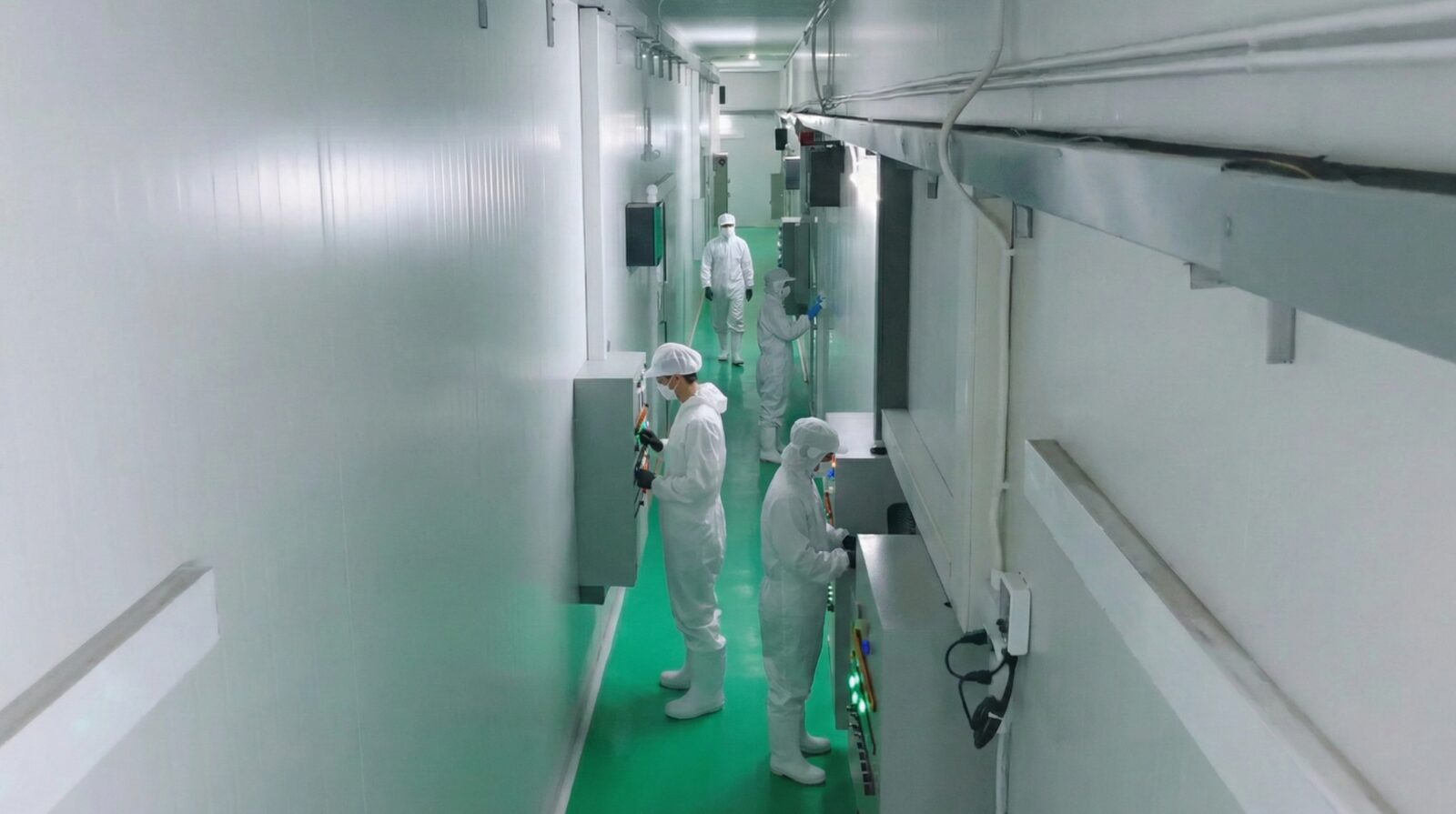
Climate control sounds simple until you run it at scale. In our sealed indoor farm in Thailand we manage a short list of variables with tight tolerances, and we log them for every room.
- Temperature. Day and night targets held close, so the plant never has to recover from a swing.
- Humidity. Managed by growth stage to protect resin early and prevent mould late.
- Airflow. Constant, even movement so no corner of the canopy runs hot or damp.
- Light. Fixed spectrum and intensity, timed to the day, cycle after cycle.
- CO2 and fresh air. Balanced to feed growth without stressing the plant.
None of these matter on their own. They work as a set. Push humidity down without adjusting airflow and you dry the resin out. Chase potency with more light and less heat control and you scorch the top of the canopy. The skill is holding all of it in balance for the full run.
Why terpenes reward the effort
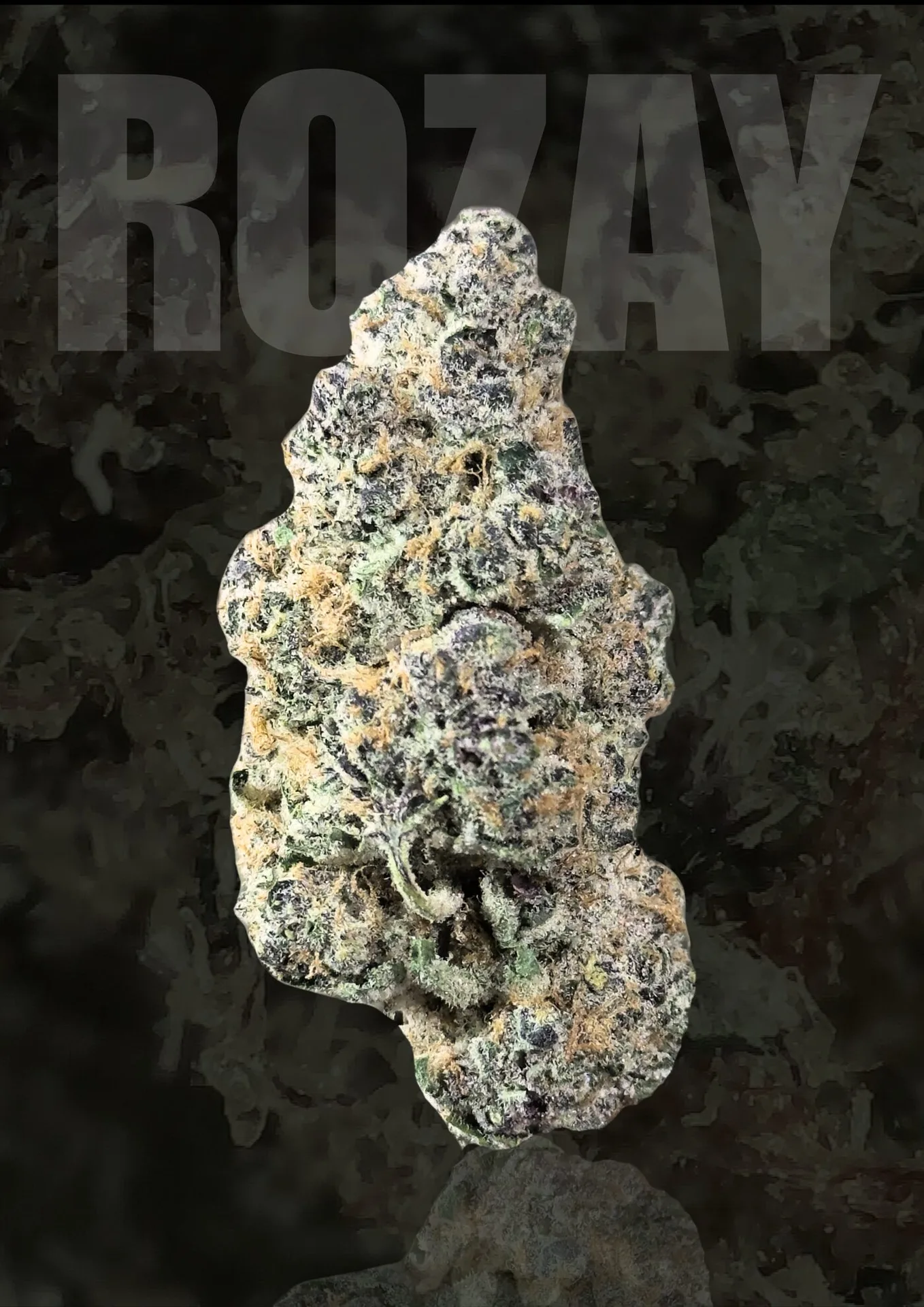
A loud, clean terpene profile is what separates premium flower from filler. Buyers in regulated markets can smell the difference the moment a jar opens, and so can their customers. That aroma is fragile. Terpenes are volatile compounds, which means heat and rough handling drive them off. A room that spikes warm in the afternoon quietly burns away the exact thing you are paying a premium for.
By keeping the environment flat and predictable, we let the plant lay down a full terpene load and then protect it right through to harvest. The nose stays loud. The flavour stays complex. The flower reads as exotic instead of generic.
Anyone can get one great harvest. Climate control is how you get it on purpose, every time.
Control does not stop at the room door
The climate we build in the flower room only holds if the steps after it respect the same discipline. That is why we hand trim, slow cure, and standardize water activity on every batch. A slow cure protects the terpenes the room worked to build. Standardized water activity keeps the flower stable in transit and in storage, so what you open in your market matches what left our farm.
What that means for your COA
Every batch ships with a COA from an independent lab covering cannabinoids, terpenes, pesticides, heavy metals, and microbials. Because the growing environment is controlled and repeatable, those numbers hold their shape from one batch to the next. Our exotic flower runs at 22 to 30 percent THC, and the terpene results back up the aroma rather than contradicting it. For a buyer, that is the whole point. You are not guessing what the next order will smell like or test at.
What this means for buyers
We run a fully integrated, sealed indoor farm, GACP certified and supported by an EU GMP partner network. That setup produces around 500 kg of finished flower a month, more than 7 tons a year, with room to scale. Every kilo carries full seed to shipment traceability, and white label and OEM programs are available with export ready packaging.
If you import or distribute medical cannabis, consistency is what protects your reputation and your margins. Climate control is the quiet engine behind that consistency. Ask any supplier how they hold their environment steady and how they prove it on paper. If the answer is vague, the flower will be too. When you are ready to see the spec, we will send a current COA and samples so you can judge the aroma and the numbers side by side.