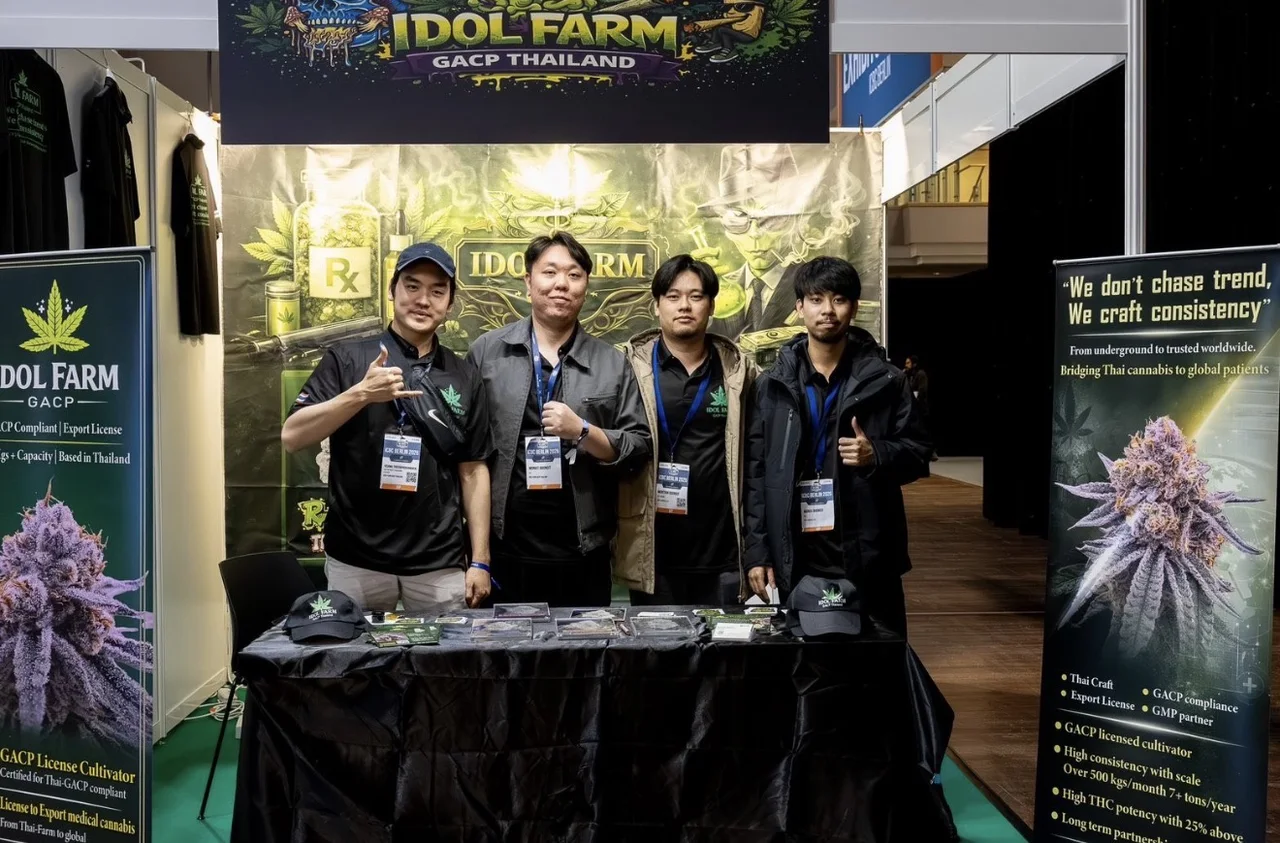

Export markets do not care how good the flower looks if it fails a lab test. Clean numbers are the price of entry, and they decide whether a batch ships or sits in quarantine while everyone loses money.
Three panels fail more batches than anything else. Heavy metals, microbials, and pesticides. Each one comes from a different place along the way, so each one needs its own guard. Miss a single number and the whole batch is held, no matter how the flower smells, looks, or tests for potency.
Why these three stop shipments
Regulated markets set hard limits on contaminants because they treat cannabis as a medical product, not a novelty. A buyer in the EU or another controlled market has to prove to their own regulator that every gram is clean. If our COA shows a fail, that problem becomes their problem, and they will not take the risk.
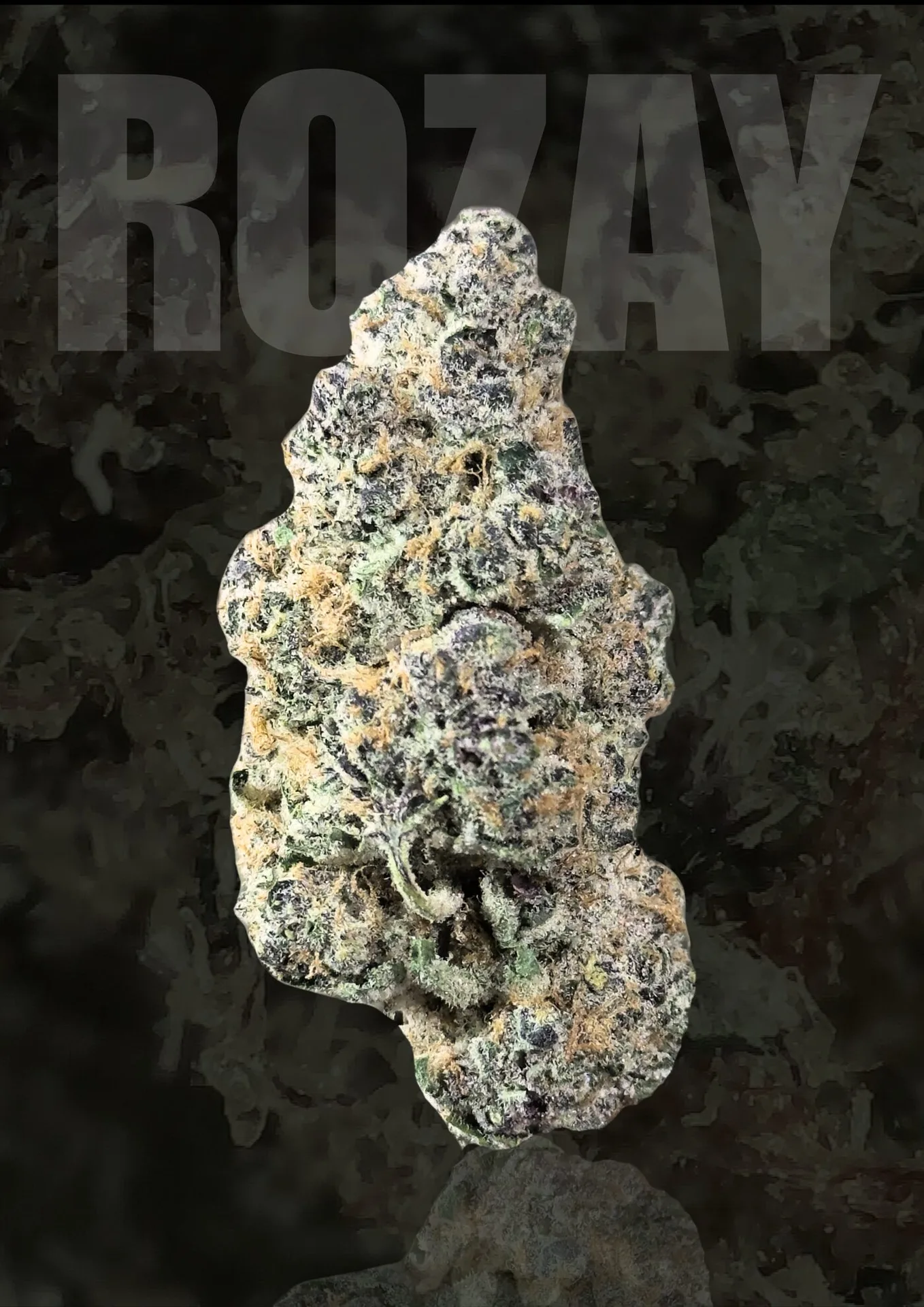
So the failure is rarely about potency. We grow exotic flower at 22 to 30 percent THC, and that part is the easy sell. The batches that die on the loading dock die on the contaminant panels. That is where discipline shows.
Heavy metals it starts in the ground and the water
Cannabis is a known accumulator. The plant pulls what is around it up through the roots, and heavy metals like lead, cadmium, arsenic, and mercury do not break down. If they are in your medium, your water, or your nutrients, they end up in the flower.
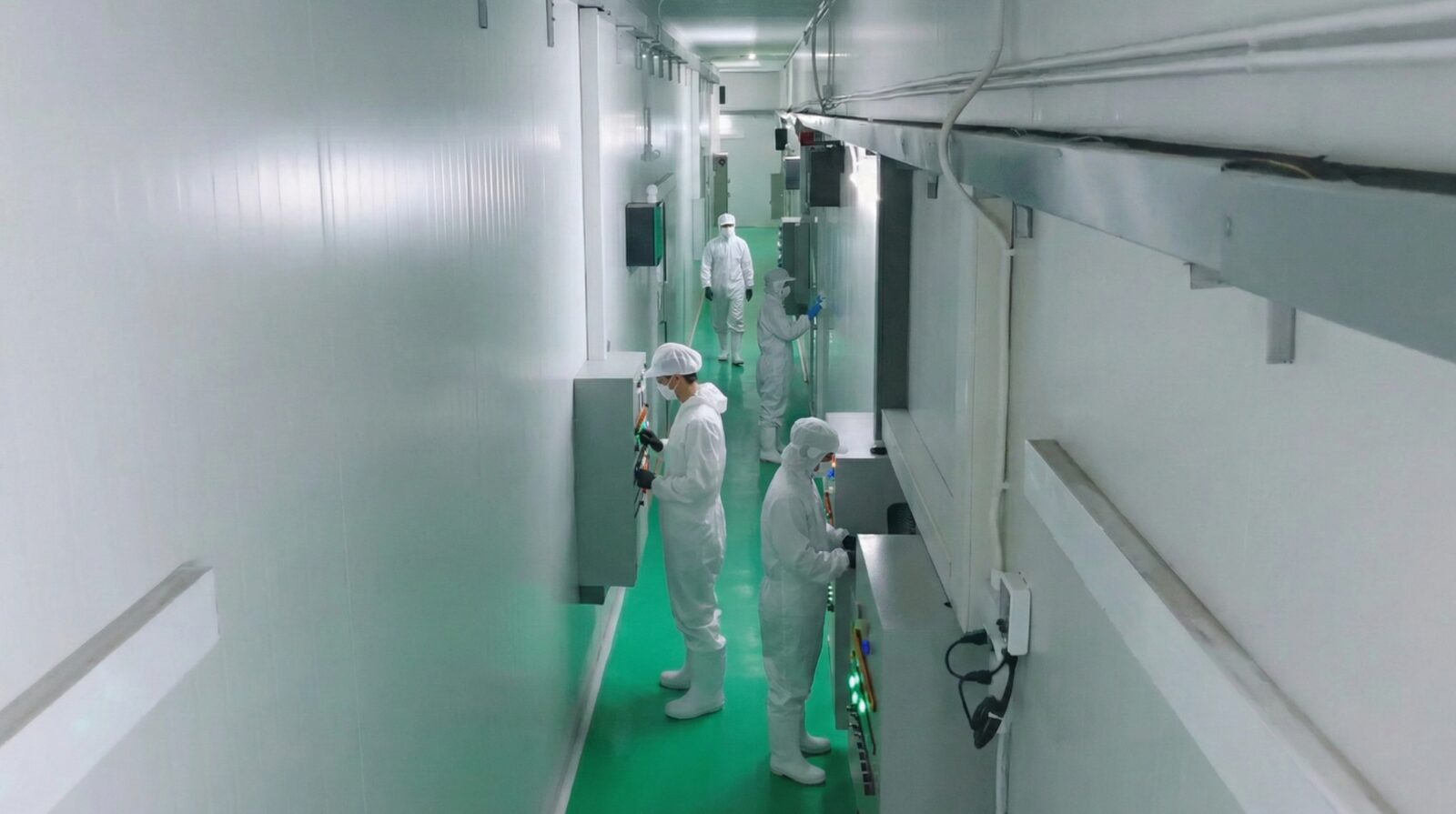
We control this at the input stage. Clean water, tested inputs, and a fully integrated sealed indoor farm mean the plant is never exposed to contaminated soil or runoff. In an open field you inherit whatever the land carries. Indoors, in a controlled system, we decide what the plant touches.
Microbials the risk that grows after harvest
Microbial contamination is a moisture and handling problem. Yeast, mold, and bacteria show up when flower is cured wrong, packed damp, or handled in a dirty room. The danger is that a batch can look and smell fine and still fail a plate count.
We manage this with slow curing and standardized water activity. Water activity is the number that matters here, because it controls whether microbes can grow at all. Get it into the right band and hold it there, and you remove the conditions mold needs.
- Sealed indoor rooms with controlled temperature and humidity
- Slow cure instead of a rushed dry to hit a ship date
- Water activity standardized and checked, not guessed
- Hand trimming in clean conditions, with careful handling at every step
- Export ready packaging that holds the flower stable in transit
Pesticides the one you cannot fix later
Pesticides are the hardest fail to explain and the easiest to avoid, because they only enter the flower if you put them there. There is no washing them out at the end. Once a residue is in the plant, it is in the COA.
Our answer is simple. We run a sealed indoor system with integrated pest control that does not rely on the chemistries these panels screen for. Keep the room clean, keep pests out at the door, and you never have to chase a residue you can never remove.
You do not pass a lab test at the lab. You pass it months earlier, in how you grow and handle the plant.
Testing that catches problems before a buyer does
Every batch gets a COA from an independent lab covering cannabinoids, terpenes, pesticides, heavy metals, and microbials. Independent matters. A buyer should never have to take our word for it, and a number carries more weight when the farm did not produce it in house.
Because we test on every batch, a problem surfaces here, on our side, long before a shipment is booked. That is the whole point of testing early. A held batch on our floor costs far less than a rejected container at a foreign port, and it protects the buyer from a fail landing in their inventory.
Traceability ties it together
Full seed to shipment traceability means every result maps back to a specific batch, room, and cycle. If a number ever drifts, we can find the cause instead of guessing. That is what lets us hold quality steady across roughly 500 kg of finished flower a month, seven or more tons a year, with room to scale.
What this means for the buyer
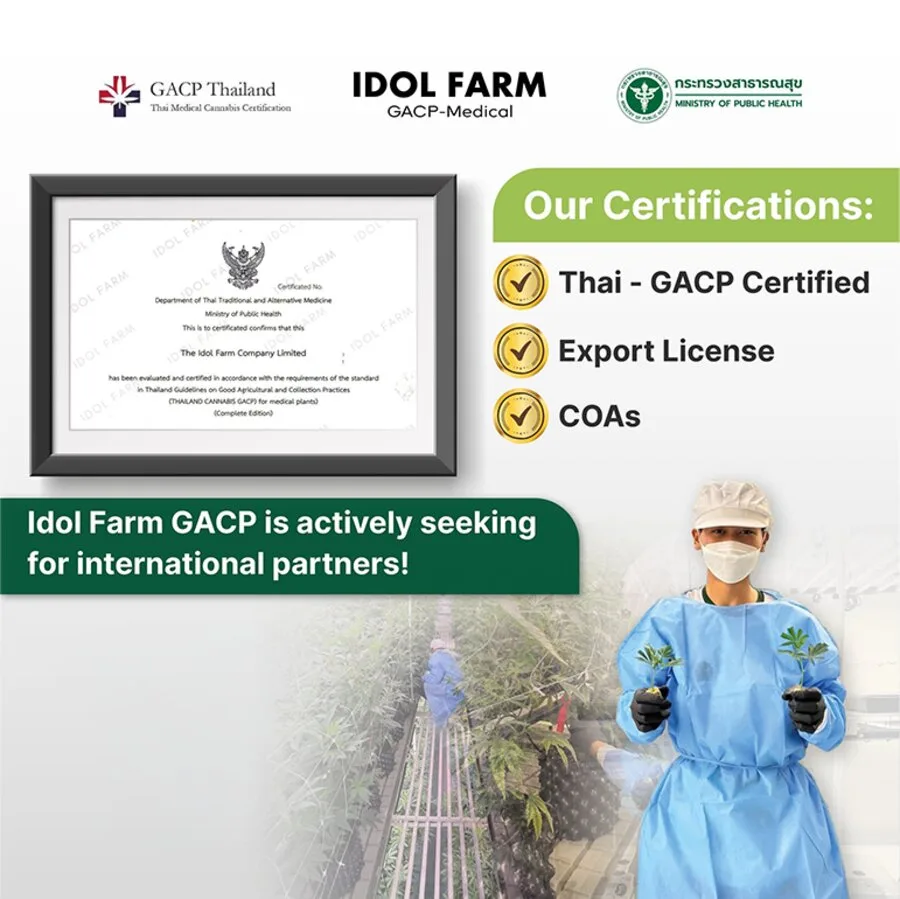
Ask for the COA before you commit, and read the contaminant panels, not just the THC line. Any serious supplier should hand it over without hesitation, batch by batch, from an independent lab. We are GACP certified and work through an EU GMP partner network, and we build clean numbers into how we grow rather than hoping for them at the end. If you want to see how that holds up, ask for a current COA and check it against your market's limits. That is the fastest way to know whether a farm can actually export, or just talk about it.