

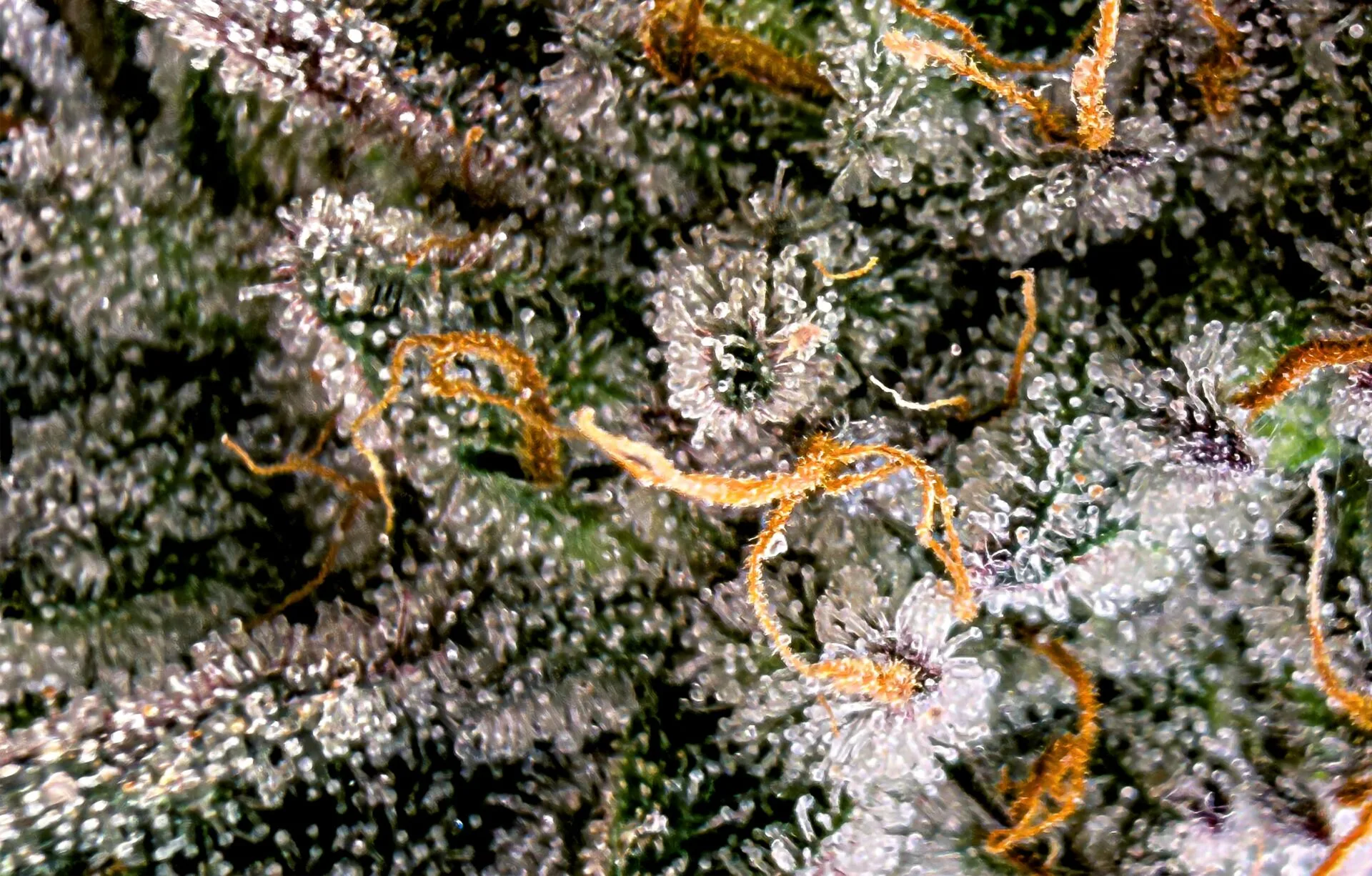
A buyer on the other side of the world cannot hold the flower, cannot break a bud, cannot smell the jar. A close photo is the next best thing, so it has to be honest. Every catalog image we send is a promise about what will land on your dock.
The catalog is often the first look a buyer gets. It sets the expectation for everything that follows, from the first sample request to the repeat order. Get the image right and the conversation starts from trust. Get it wrong and you spend the rest of the deal defending a photo. At Idol Farm we treat macro photography as part of quality control, not marketing.
What the close up actually shows
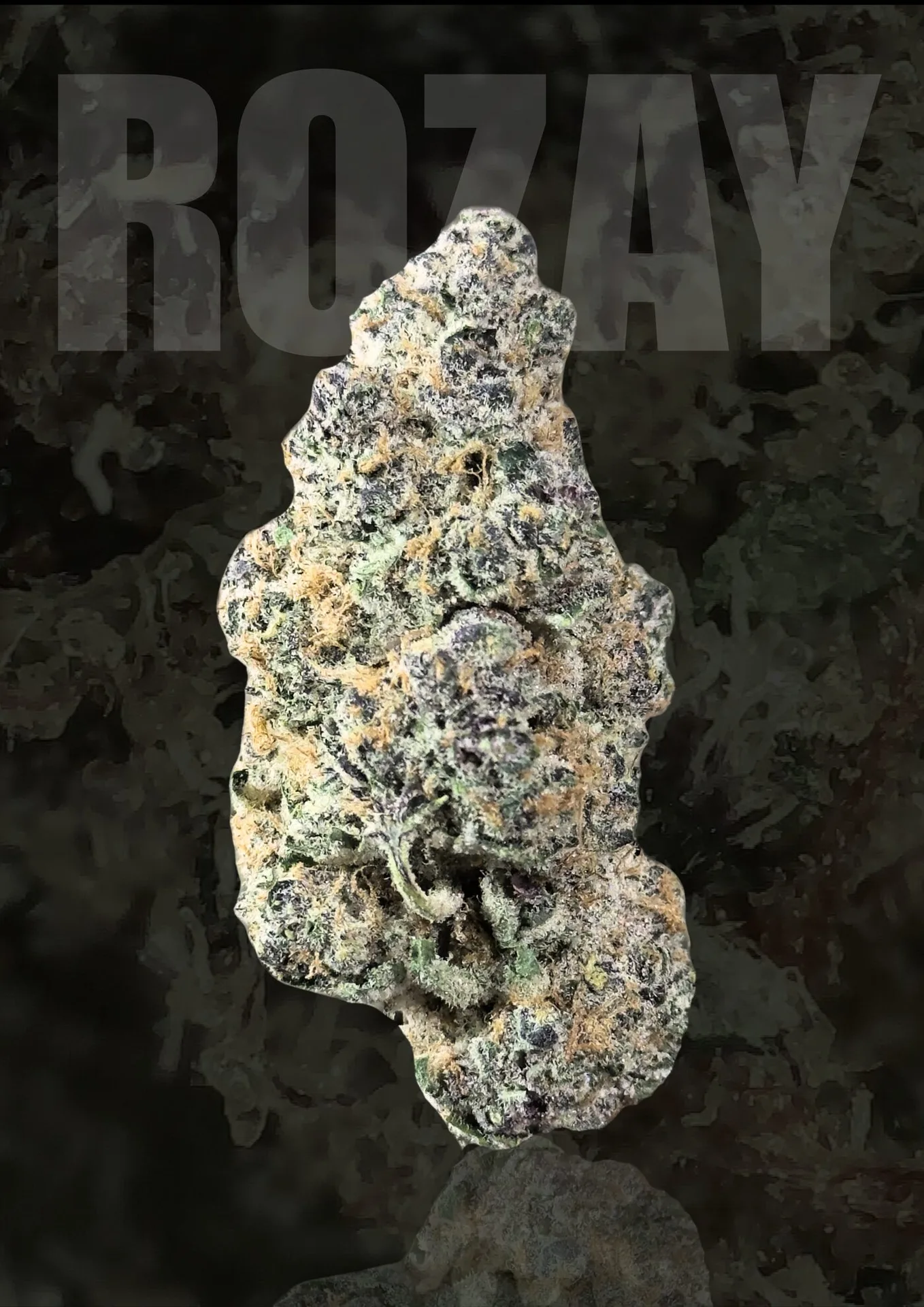
Zoom in and the trichomes tell the story. A macro shot pulls the glands into view, the tiny stalked heads that hold most of the cannabinoids and terpenes. You can read frost density, head clarity, and how evenly the resin sits across the flower. That is real information, not decoration.
A trained buyer reads a macro image the way a jeweler reads a stone. Cloudy heads point to peak ripeness. Clear heads suggest an early cut. Amber tells you where the flower sits on the curve. Structure, bract shape, and the way the calyxes stack all show up under proper magnification, long before anyone asks a single question.
Why honest images matter more in export
In a cross border deal the photo carries weight that a local buyer would never put on it. You cannot walk our rooms. You cannot pull a jar off the shelf. So the image, the COA, and the sample do the work that a handshake and a face to face inspection would do in a domestic sale.
A photo that oversells only leads to a return, a dispute, or a buyer who never orders twice. We shoot the flower as it is. Same lighting, same distance, same standards batch after batch, so what you approve on screen is what you open on your table.
A good catalog photo does not flatter the flower. It just shows the truth up close.
How we shoot it
Consistency is the whole point. A macro program only means something if the buyer can compare one batch against the next and trust the difference is in the flower, not the camera. We keep the method fixed so the variable is always the product.
- Diffused, controlled lighting so resin reads true and nothing is blown out or faked with glare.
- A fixed distance and repeatable framing, so bud size and frost density stay comparable across the catalog.
- No color grading that lifts the green, brightens the frost, or hides browning.
- Shots from the same cured flower that goes into the sealed export bag, not a hand picked hero nug.
- A reference for scale, so a buyer can judge real bud size and not just a flattering crop.
The flower in front of the lens is the flower we ship. It is hand trimmed, slow cured, and held at a standardized water activity, so the structure you see on screen holds up in the jar weeks later. A photo of a dried out or over handled bud would show it, which is exactly why we shoot the same material that goes to export.
Reading a macro image like a pro
For buyers who want to get more out of a catalog, a close shot answers questions a spec sheet cannot. Our exotic flower runs at 22 to 30 percent THC, but potency on paper is only part of the picture. The image tells you about handling, cure, and shelf presentation, the things that decide whether product moves.
What to look for
Watch for intact, upright trichome heads rather than sheared or flattened ones, which point to rough handling. Look at trim quality around the calyxes and how clean the flower reads without excess leaf. Even frost across the whole bud, not just the top, tells you the plant finished well. A tight, dense structure usually survives shipping and storage better than a loose, airy one.
The photo is only as good as the paperwork behind it
An image builds interest. Data closes the deal. Every batch we ship carries a COA from an independent lab covering cannabinoids, terpenes, pesticides, heavy metals, and microbials. The macro shot and the COA are meant to be read together. One shows the flower, the other proves it.
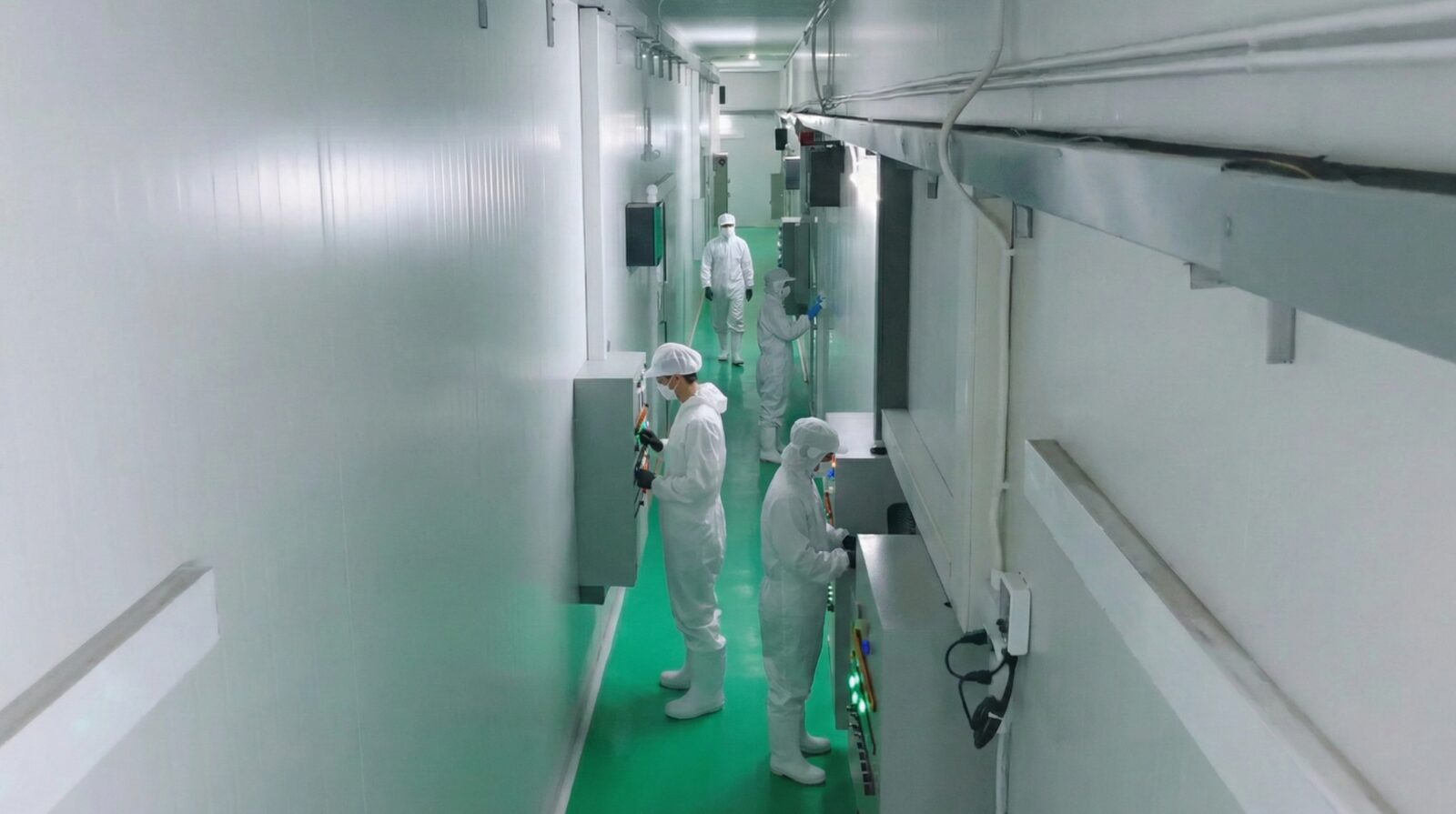
Behind both sits full seed to shipment traceability out of a GACP certified, fully integrated sealed indoor farm, backed by an EU GMP partner network. We run around 500 kg of finished flower a month, more than 7 tons a year, with room to scale, and we offer white label and OEM in export ready packaging. The photo is the front door. The system behind it is what keeps buyers coming back.
The practical takeaway for a buyer is simple. Ask for a macro shot of the exact batch on offer, then line it up against the COA and a sample before you commit. If a farm will show you the flower honestly up close and back it with independent lab data, you already know a lot about how they operate. That is the standard we hold ourselves to, and it is how we want you to judge us.