

One great room is an achievement. Ten rooms that all grow the same great flower is a system. Any farm can get lucky once. The farms that supply regulated markets month after month are the ones that turned luck into a repeatable process, room by room, batch by batch.
Rooms drift apart on their own. Keeping them identical takes a method, not hope. That is the real work behind consistent exotic flower, and it is the part buyers rarely see.
Why one perfect room is not enough
A single flagship room proves you can grow. It does not prove you can supply. A buyer placing repeat orders is not buying one harvest. They are buying every harvest after it. If room three delivers a stunning batch and room seven delivers something dull two weeks later, the account is already in trouble.
At scale this problem grows fast. We finish around 500 kg of flower every month, more than 7 tons a year, with room to add capacity. That output does not come from one hero room. It comes from many rooms running the same standard at the same time. The moment they stop matching, the promise to the buyer breaks.
Why rooms drift apart
Rooms are not identical just because they were built the same. Small differences in airflow, light age, sensor placement, and daily habit stack up over weeks. A lamp a few hundred hours older runs cooler. One room's corner sits a degree warmer. One grower waters by feel, another by schedule. None of it looks like a problem on any single day.
Then harvest arrives and the batches do not agree. Density is off. The nose is thinner. Water activity sits in a different place. By then the drift is baked in and there is nothing to do but grade down. The cause was never one big mistake. It was a hundred small ones nobody wrote down.
The usual suspects
- Aging lamps that shift spectrum and output room to room.
- Airflow dead spots that change how a canopy dries and cures.
- Sensors placed differently, so two rooms report the same numbers while living in different climates.
- Grower habit, where skill hides in one person's hands instead of the process.
How we keep every room matched
We treat the rooms as one grow with many addresses. There is one method, one set of targets, and one way to read whether a room is on target or off it. Genetics, feed schedule, climate set points, and canopy management are written down and followed the same way everywhere. A grower does not improvise. A grower executes a standard and flags anything that moves.
Our farm is fully integrated and sealed indoors, which takes the weather out of the equation and leaves us with variables we control. GACP certification forces the discipline that makes this possible. Every step is defined, logged, and checked, so a result can always be traced back to what produced it. That is also what lets our EU GMP partner network trust what leaves the farm.
The test of a real grow is not one perfect room. It is that every room is the same room.
How we prove it instead of claiming it
Consistency you cannot measure is just a story. We measure. Every batch ships with a COA from an independent lab covering cannabinoids, terpenes, pesticides, heavy metals, and microbials. That document is the objective check on whether the rooms are still matched. When the numbers line up batch after batch, the system is working. When one drifts, we see it before the buyer does.
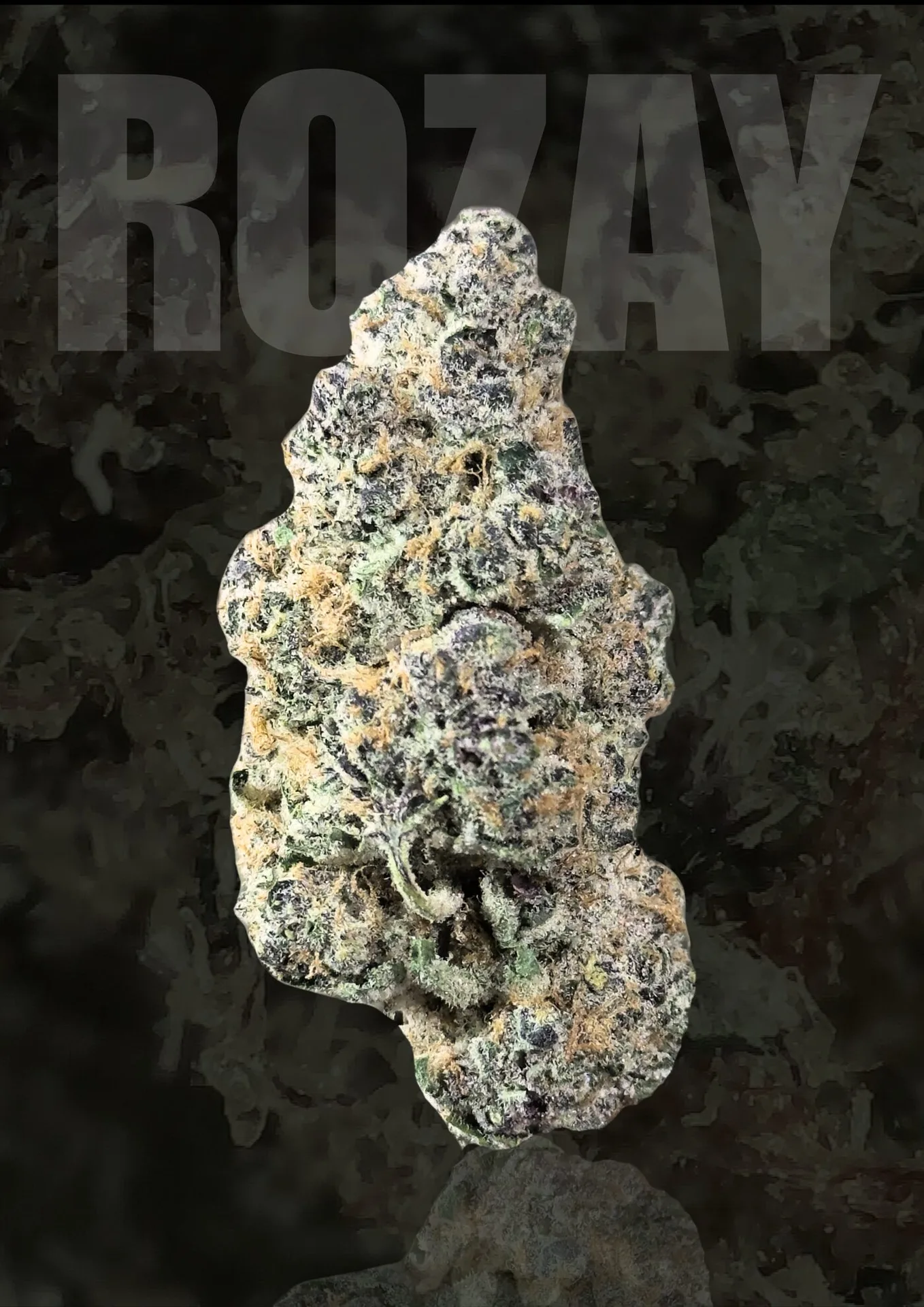
The finishing steps carry the same standard. Flower is hand trimmed, slow cured, and held to a standardized water activity so texture, burn, and shelf life stay stable across rooms. Our exotic flower runs at 22 to 30 percent THC, but potency alone was never the point. The point is that the top shelf batch a buyer approved is the same batch we can deliver again next month, and the month after.
What this means for a buyer
For an importer, wholesaler, or distributor, consistency is what makes a product sellable more than once. Your customers learn a SKU by its look, its nose, and how it performs. If that identity moves, you spend the next order defending it. When every room is held to one standard, the SKU stays the SKU.
That stability is what makes the rest of our offer usable. Full seed to shipment traceability, white label and OEM programs, and export ready packaging only matter if the flower inside is dependable. A clean label on an inconsistent product just documents the inconsistency.
So when you assess a supplier, do not ask for their best batch. Ask how they keep the worst room as good as the best one. Ask to see COAs across several batches, not one. A farm that can show matched results over time is telling you something a single sample never can. That is the difference between a good harvest and a supply partner you can build on.