
Feeding a plant is not just about growth. Done right, it shapes the smell, the taste and the whole character of the finished flower. That is the part most grows leave on the table, and it is the part our buyers can taste in the jar.
A cannabis plant asks for different things at different points in its life. Reading those requests, and answering them on time, is where exotic character comes from. We treat the nutrient schedule as a tool for building a terpene profile, not just a way to add weight.
Why timing beats volume
More food does not make better flower. The right food at the right stage does. A plant in early veg wants nitrogen to build structure. The same feed late in flower blunts aroma and pushes the plant green when it should be ripening. Match the feeding to the stage and the plant spends its energy where you want it, including into the aromatic compounds that make a cultivar stand out.
Terpenes are volatile and expensive to produce, biologically speaking. The plant only makes them in volume when the rest of its needs are met and it is not fighting stress it cannot handle. A clean, staged feed removes the excuses a plant would otherwise use to cut that production short.
What each stage needs
We break the cycle into clear phases and feed each one for what it is doing, not for a number on a calendar. The plant tells us when it has moved on. We follow it.
- Early veg nitrogen forward, building roots and frame so the plant can carry a heavy, aromatic finish later.
- Late veg we ease nitrogen and lift phosphorus and potassium to prime the switch into flower.
- Early flower a measured push while the plant sets its sites and starts laying down resin.
- Mid to late flower the aromatic window, where careful, restrained feeding protects and builds the terpene profile.
- Flush and ripen we pull inputs back so the flower finishes clean, with nothing harsh left behind.
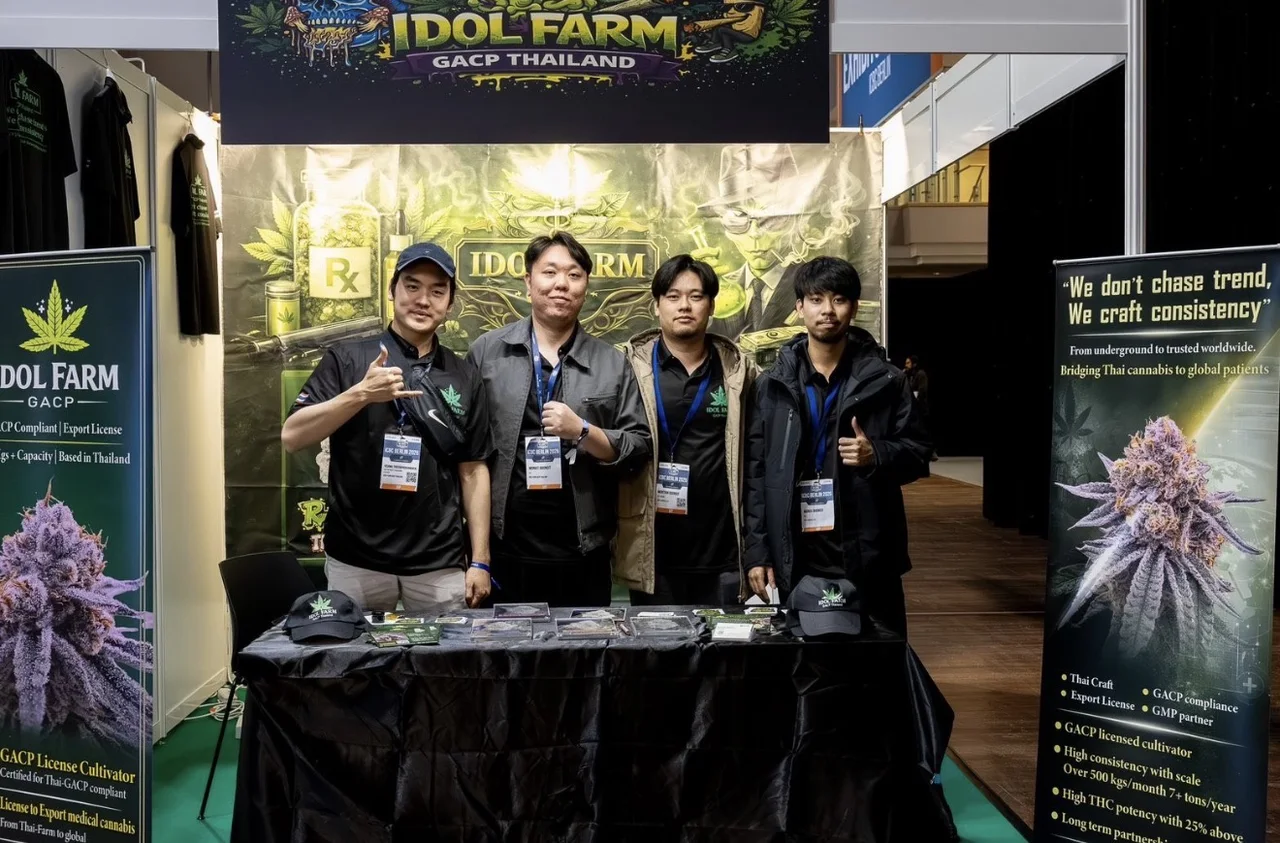
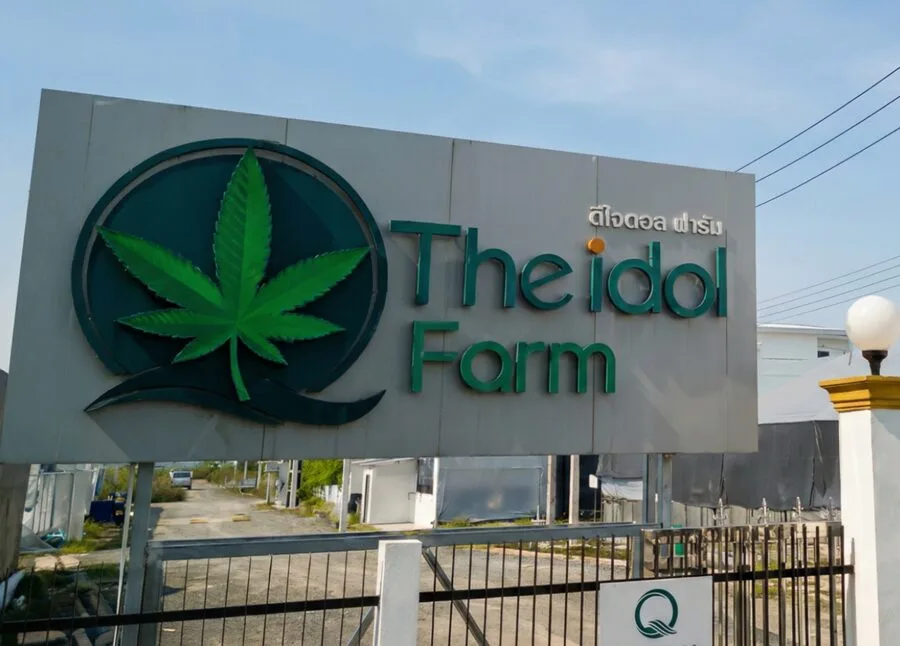
How we manage it at Idol Farm
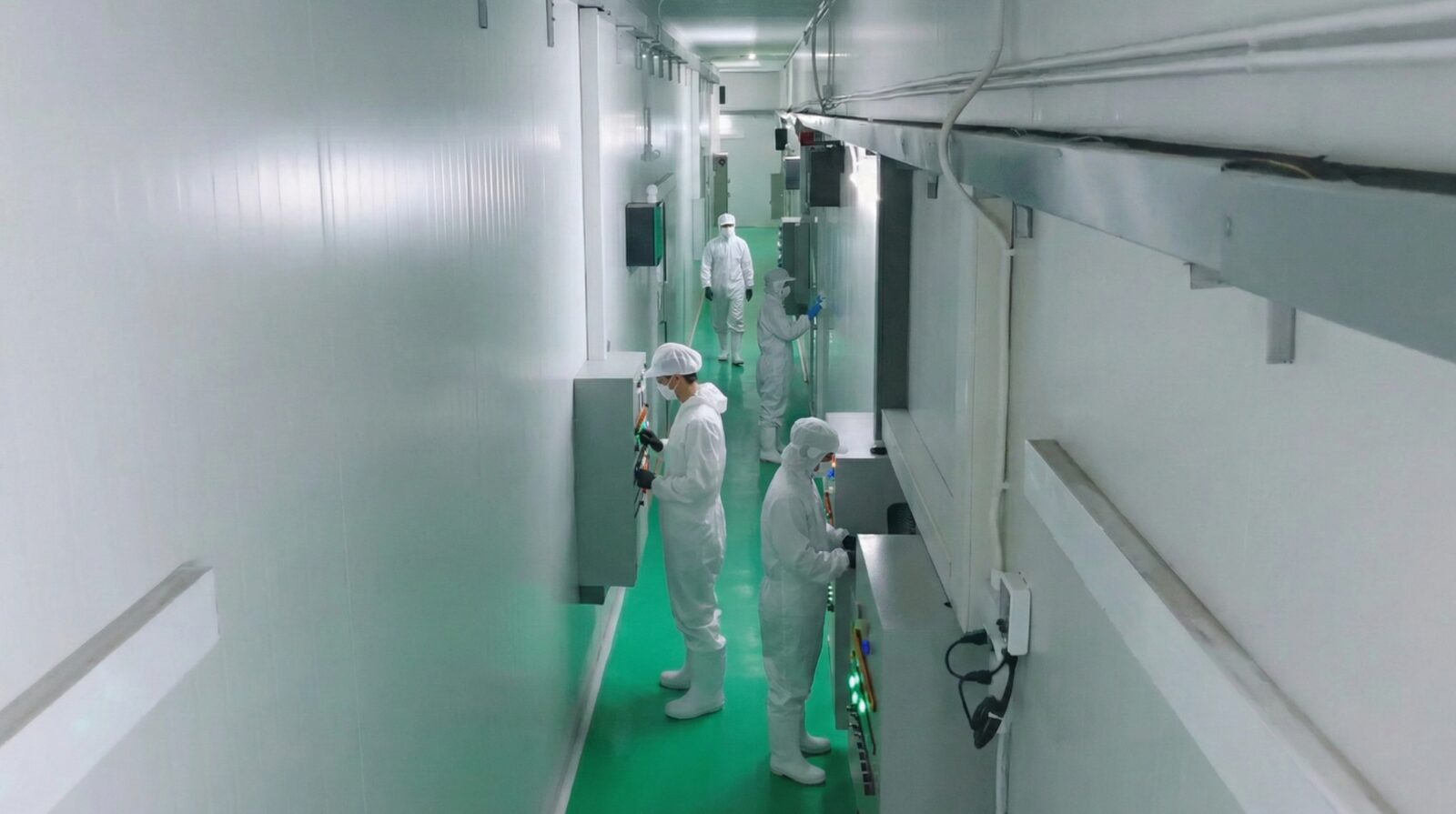
We run a fully integrated sealed indoor farm, so the feed does not fight the room. Light, temperature, humidity and airflow all sit in a controlled band, which means the nutrient schedule is the variable we get to tune rather than the one we are chasing. Steady, measured feeding, tuned to each stage and adjusted by what the plant actually shows us, gives us flower at 22 to 30 percent THC with the aroma to match.
The reading matters as much as the recipe. Leaf colour, root health, how fast a plant drinks, how it responds after a change. We adjust off those signals, not off a fixed chart. A schedule is a starting point. The plant has the final say.
Feed for weight and you get weight. Feed with the stage in mind and you get character too.
Why this shows up for buyers
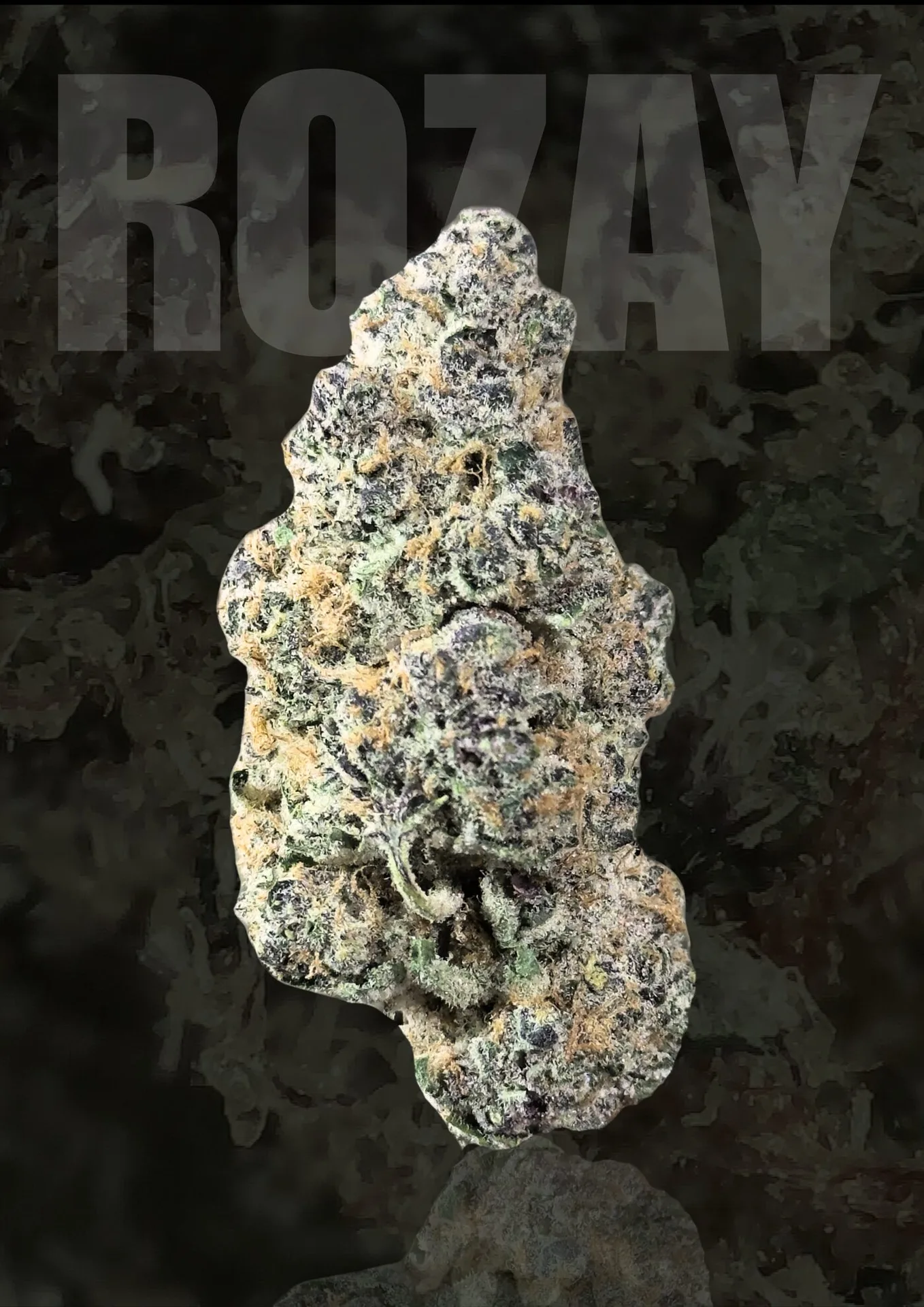
A staged nutrient program is one of the reasons our flower reads as exotic instead of ordinary. The terpene numbers on the COA are not an accident. They come from feeding the plant so it can build a full profile, then curing slowly so that profile survives to the jar. Hand trimmed, slow cured, water activity standardized. Every batch carries a COA from an independent lab covering cannabinoids, terpenes, pesticides, heavy metals and microbials, so the aroma you smell is backed by the terpene panel you can read.
Consistency across the year
One good harvest is easy to fluke. Repeating it is the hard part, and it is what a serious importer needs. Because our feeding is staged and documented inside a sealed room, we can hold a profile batch to batch across roughly 500 kg of finished flower per month and 7 or more tons per year, with room to scale. Full seed to shipment traceability means we can show you exactly how a given lot was grown and fed.
What this means for your program
When you are sourcing at volume, aroma and consistency are the two things that decide whether a product moves. A disciplined nutrient schedule protects both. If you are building a white label or OEM line, or bringing exotic flower into a regulated market, ask how the flower was fed and finished, not just what it tests at on THC. The feed is where the character was built, and the COA is where you can check the work. That is the standard we hold at Idol Farm, and it is the one we would want you holding us to.