

Adding rooms is the easy part of growing a farm. Keeping the quality the same across all of them is the real test, and it is the part that decides whether a buyer trusts your second shipment as much as your first.
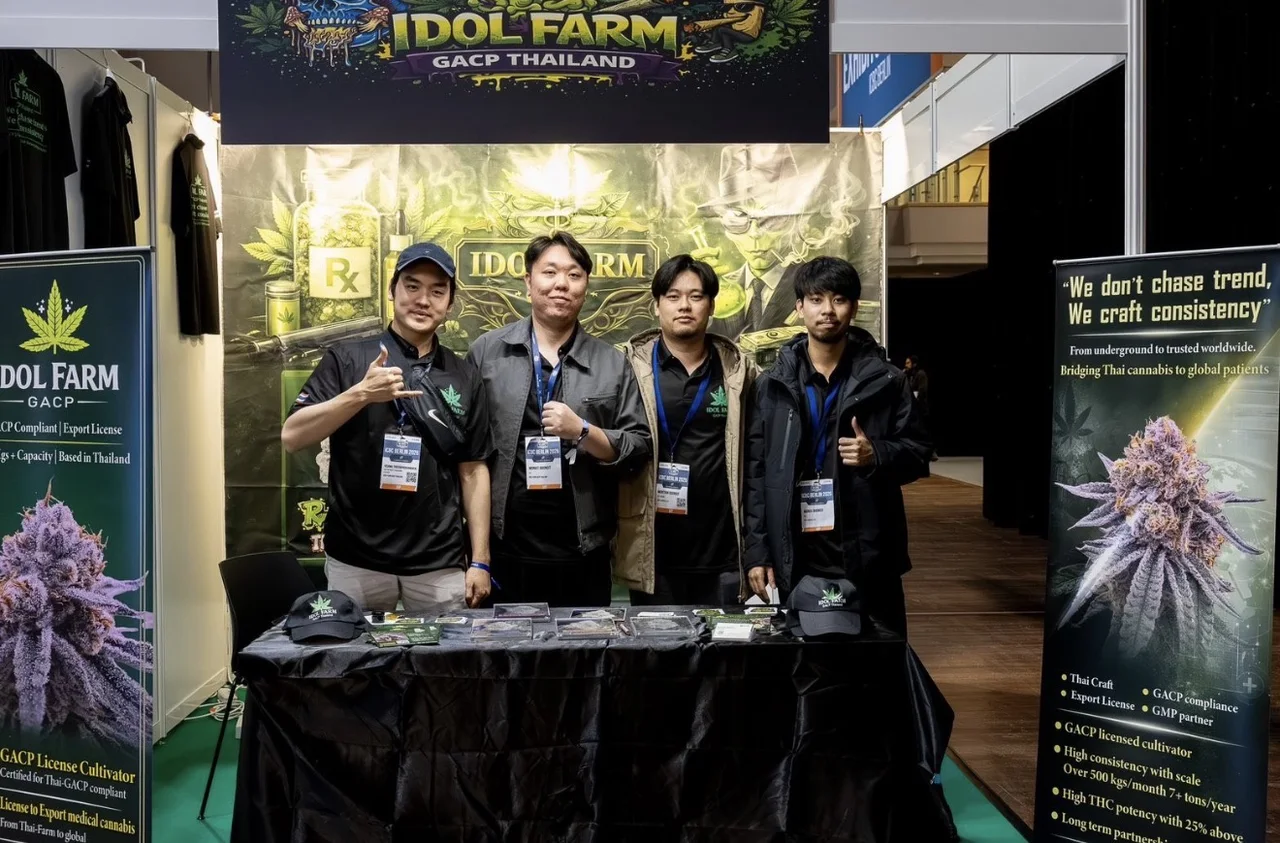
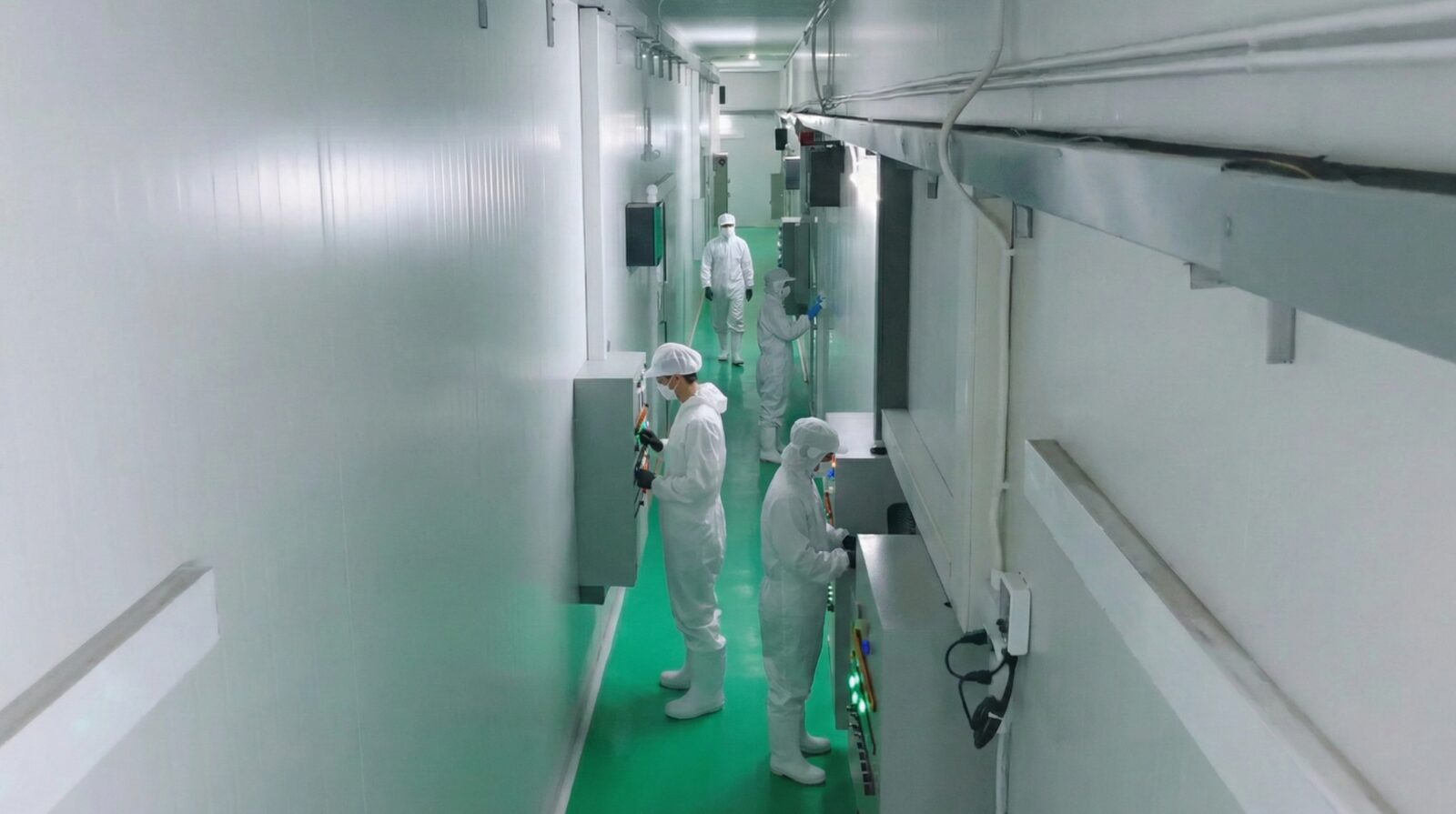
We built Idol Farm as a fully integrated sealed indoor farm in Thailand, and we run it to GACP standard with an EU GMP partner network behind us. When we moved into Phase 2, we were not chasing a bigger number. We were protecting the flower that got us here. This is what we learned holding quality steady while output climbed toward 500 kg a month and past 7 tons a year.
What actually changes with scale
More space means more room for the process to drift. Every new room is a new set of variables. Airflow behaves differently. A fresh team learns the room's quirks. Small gaps in a routine that never mattered at one room scale start to show up in the cure, in the trim, in the water activity of a finished batch.
The mistake most farms make is treating a new room as a fresh start. It is not. It is the same room, built again, and it has to produce the same flower. The moment you let a room earn an exception, you have two products instead of one.
Why we hold to one method
The answer to drift is not more effort. It is the same method applied everywhere, with no exceptions and no shortcuts because a room is new. Every new room runs on the same written standards as the first. Same feed schedule. Same environmental targets. Same hand trimming and slow cure. Same water activity standard, checked and logged, not eyeballed.
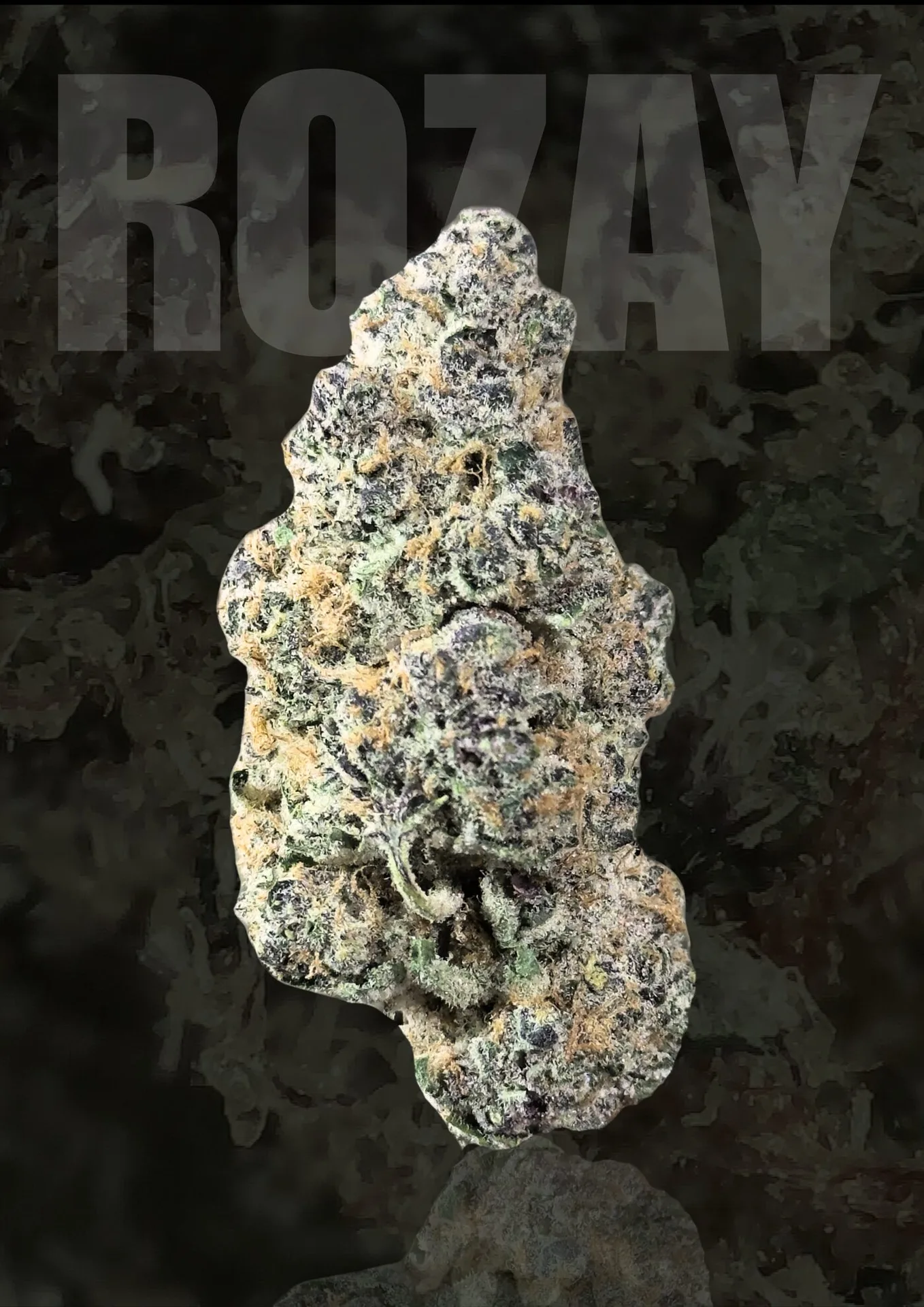
We grow the footprint without changing what comes off the line. That is the whole discipline. A buyer opening a jar from a Phase 2 room should not be able to tell it apart from a Phase 1 room, and with our process they cannot.
Expansion is not about growing more. It is about growing more without anyone noticing a difference in the flower.
How we prove it, not just claim it
Standards on paper mean nothing without proof, and buyers in regulated markets know it. Every batch we ship carries a COA from an independent lab. That report covers cannabinoids, terpenes, pesticides, heavy metals and microbials. It is the same panel on every batch, from every room, with no gaps when a new room comes online.
That consistency is what lets us stand behind exotic flower at 22 to 30 percent THC across a growing footprint. The number is not a lucky harvest. It is a repeatable result, and the COA is the receipt.
What we check before a new room ships anything
- The room hits the same environmental targets as the rest of the farm, held steady over full cycles.
- The team is trained to the same written standards, with the same trim and cure discipline.
- Water activity lands inside our standard range on finished flower, batch after batch.
- The full COA panel comes back clean from the independent lab.
- Seed to shipment traceability is live, so every batch from the room is accounted for.
Traceability is what makes scale safe
When you run more rooms, you need to know exactly which plants, which feed, and which cure produced any given jar. We keep full seed to shipment traceability on everything. If a question ever comes up on a batch, we can walk it back to the room and the day. That is not a nice extra. For a pharmaceutical distributor or an importer facing an audit, it is the difference between a supplier they can use and one they cannot.
Traceability also keeps us honest internally. When every batch is tracked, a room that starts to drift shows up in the data before it shows up in a customer complaint. We catch it, correct it, and the buyer never sees it.
What this means for buyers
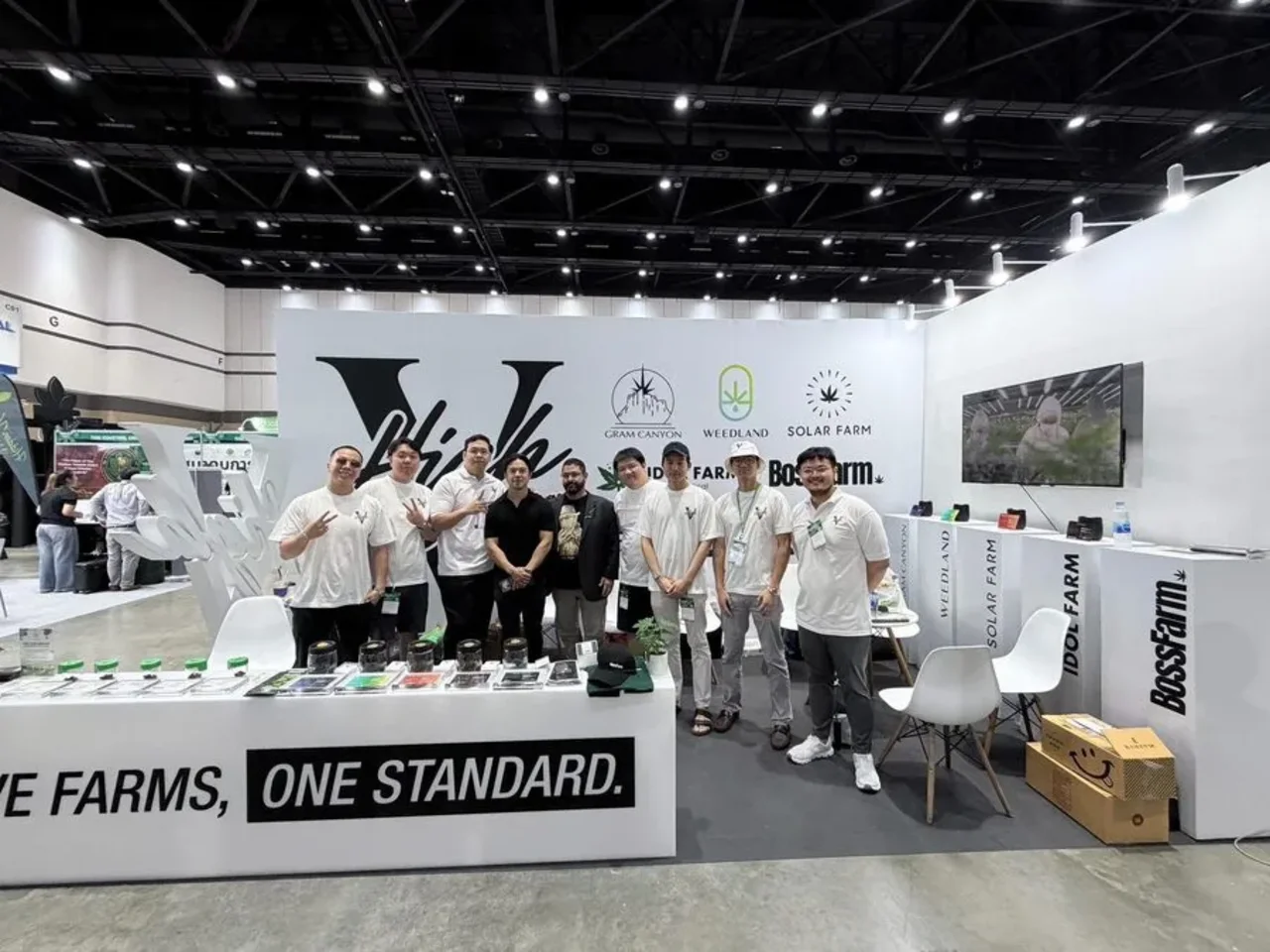
Scaling gives us headroom, and that headroom is for our partners. We produce around 500 kg of finished flower a month, 7 or more tons a year, with room to grow beyond that. That volume supports white label and OEM programs, export ready packaging, and repeat orders that arrive matching the sample every time.
For an importer or an authorized distributor, the risk in cannabis supply is rarely the first order. It is the fifth, when a farm has grown and the flower has quietly changed. We built Phase 2 so that does not happen here.
If you are sourcing consistent, pharmaceutical grade flower and you need a supplier that can grow with your demand without changing the product, start with a sample and a COA. Hold our Phase 2 flower against our Phase 1 flower. Then place a second order and hold it against the first. The proof is in whether you can tell them apart, and our whole method is built so you cannot.