
The more flower you pack into a room, the easier it is for mold to start. In high density commercial cannabis farming, prevention is a daily habit, not a fix. Once mold or a microbial load takes hold in a dense canopy, the batch is compromised. There is no rescue. So we build our whole operation around never giving it a place to begin.
Why density raises the stakes
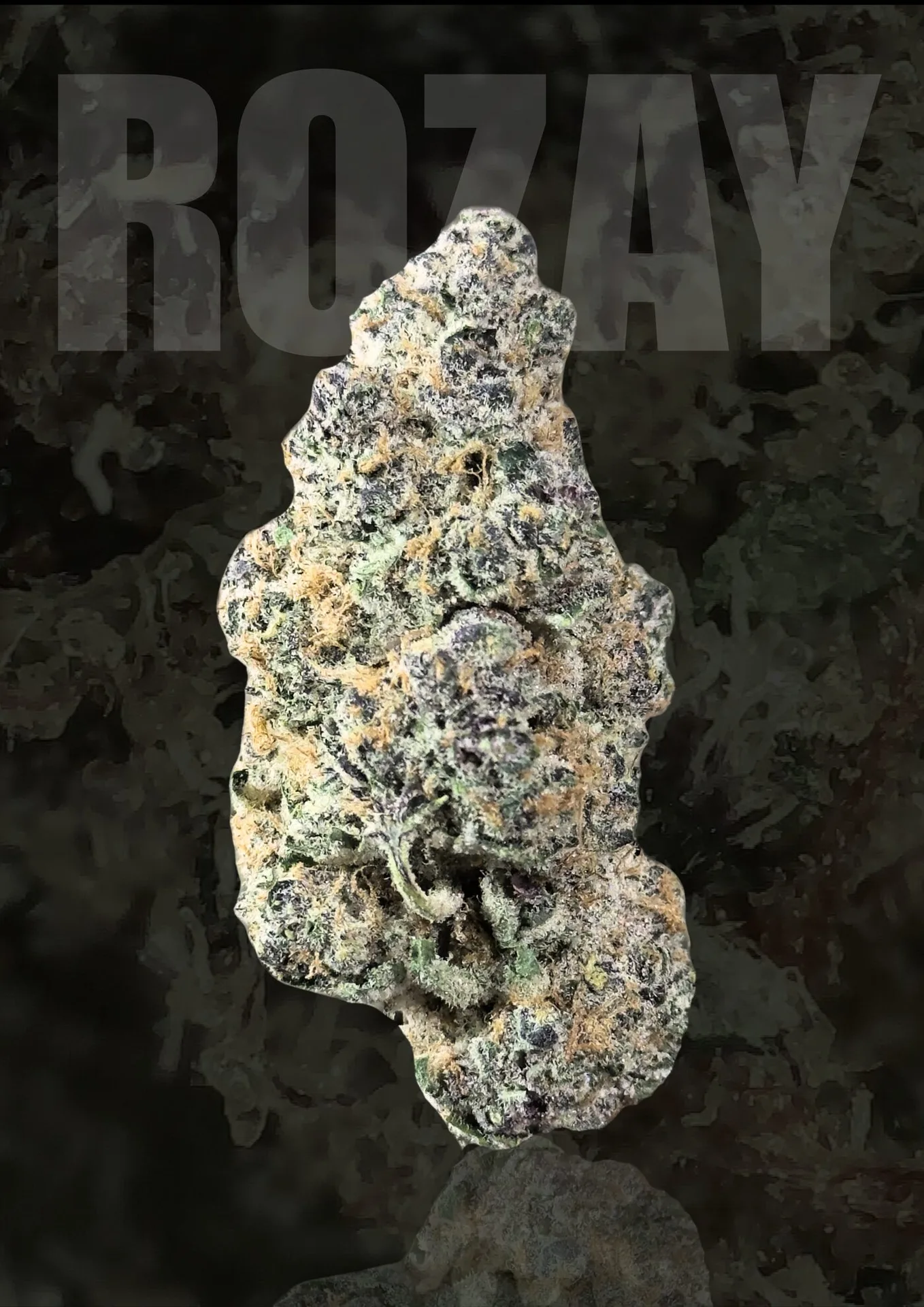
High yield rooms are crowded by design. Plants sit close, canopies overlap, and buds swell into each other as they mature. That is good for output. It is also the exact condition mold looks for. Dense growth traps moisture against the flower and kills the small air currents that would otherwise dry a leaf surface.
Two things do the damage standing humidity and still air. Put them together inside a thick canopy and you have a microclimate that spores can settle into. The buyer never sees that microclimate. They see the COA weeks later, and by then the decision was made in the room.
Where the risk actually lives
Risk is not spread evenly across a plant. It concentrates in the places air cannot reach and water cannot leave. Knowing those spots is half the job.
- The dense core of a large cola, where the center stays wet long after the outside feels dry.
- Any point where two buds press together and trap a pocket of humid air.
- Lower canopy sites that sit in shade and dead air below the main light.
- The drying and curing room, where a rushed schedule leaves too much water in the flower.
- Contact surfaces and tools that move between rooms and carry spores with them.
Most contamination traces back to one of these. So we watch them harder than anything else.
How we stay ahead at Idol Farm
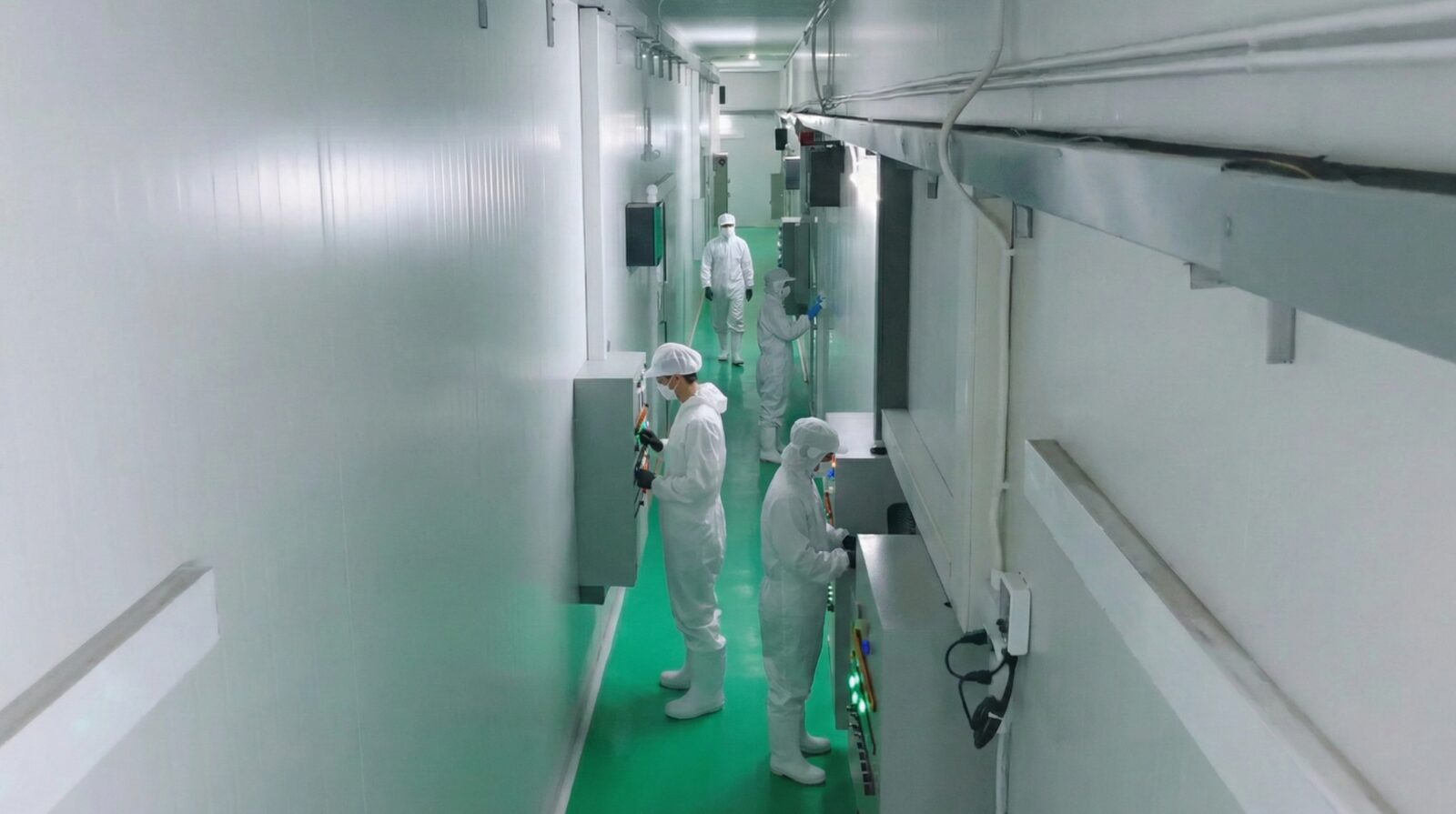
We run a fully integrated sealed indoor farm in Thailand, and the seal is the point. A closed environment lets us hold conditions steady instead of reacting to the weather outside. We control temperature, humidity, and airflow as one system, not three separate dials.
Air keeps moving. We size airflow so no part of the canopy sits in dead air, and we pull humidity down hard during the hours plants transpire most. Clean rooms come first, not last. Surfaces, tools, and staff movement all follow a protocol built to keep spores from riding into a flowering room in the first place.
You do not treat mold in commercial growing. You make sure it never gets a place to start.
The most important tool is not a machine. It is a trained person walking the rows every day. Early sight of a problem is the whole game, because a single missed spot in a dense room spreads faster than any fix can follow.
Drying, curing, and water activity
A clean grow can still fail after harvest if the flower holds too much water. This is where a lot of commercial product goes wrong. Speed dries the outside and leaves the core wet, and that hidden moisture feeds microbials in the bag long after the flower left the room.
We hand trim and slow cure, then standardize water activity across the batch. Standardized water activity is the number that tells you the flower is stable, not just dry to the touch. It is the line between flower that holds up in transit and flower that turns on you in a sealed container halfway across the world.
Proof the buyer can hold
Prevention only counts if you can show it. Every batch we ship carries a COA from an independent lab, covering cannabinoids, terpenes, pesticides, heavy metals, and microbials. The microbial panel is the one that matters here. It is the objective check on everything the room was supposed to prevent.
Behind that document sits full seed to shipment traceability. If a result ever raised a question, we can walk it back to the exact room, the exact cure, and the exact day. That is what lets a pharmaceutical distributor or an importer in a regulated market trust the flower before it clears customs.
Built for regulated export
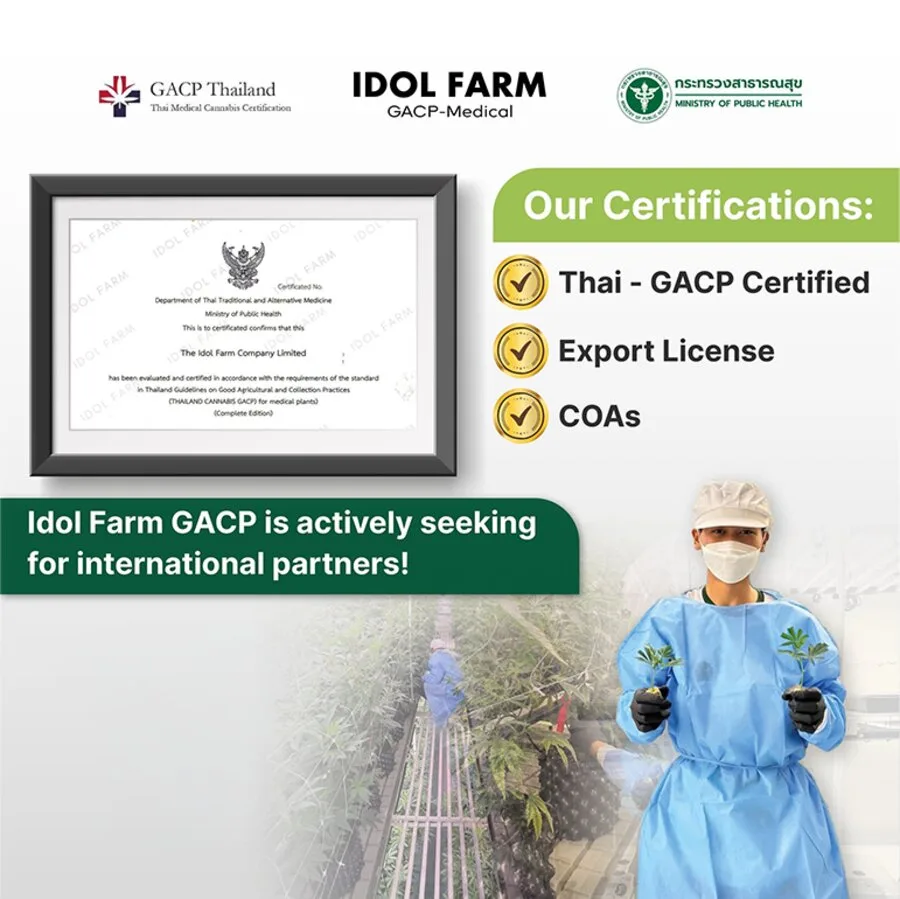
We are GACP certified and work within an EU GMP partner network, producing around 500 kg of finished flower per month and 7 or more tons per year, with room to scale. Exotic flower at 22 to 30 percent THC, clean on the microbial panel, batch after batch. White label and OEM options and export ready packaging sit on top of the same controlled process.
The practical takeaway
If you are sourcing at volume, do not judge a farm on a single clean COA. Ask how they prevent contamination in a dense room, how they standardize water activity, and whether they can trace any batch back to its source. A farm that answers those three questions clearly is a farm that will still be clean on your tenth order. That is the standard we hold ourselves to, and it is the one worth asking every supplier to meet.