
Standards do not hold themselves. Behind every clean batch is a team whose only job is to catch what others miss, and to say no long before a buyer ever could.
A grower is focused on the crop. Quality assurance is focused on proof. Those are not the same job, and at scale you cannot ask one person to do both. We run around 500 kg of finished flower a month, more than 7 tons a year. At that volume, quality has to be a function, not a feeling.
What quality assurance actually does
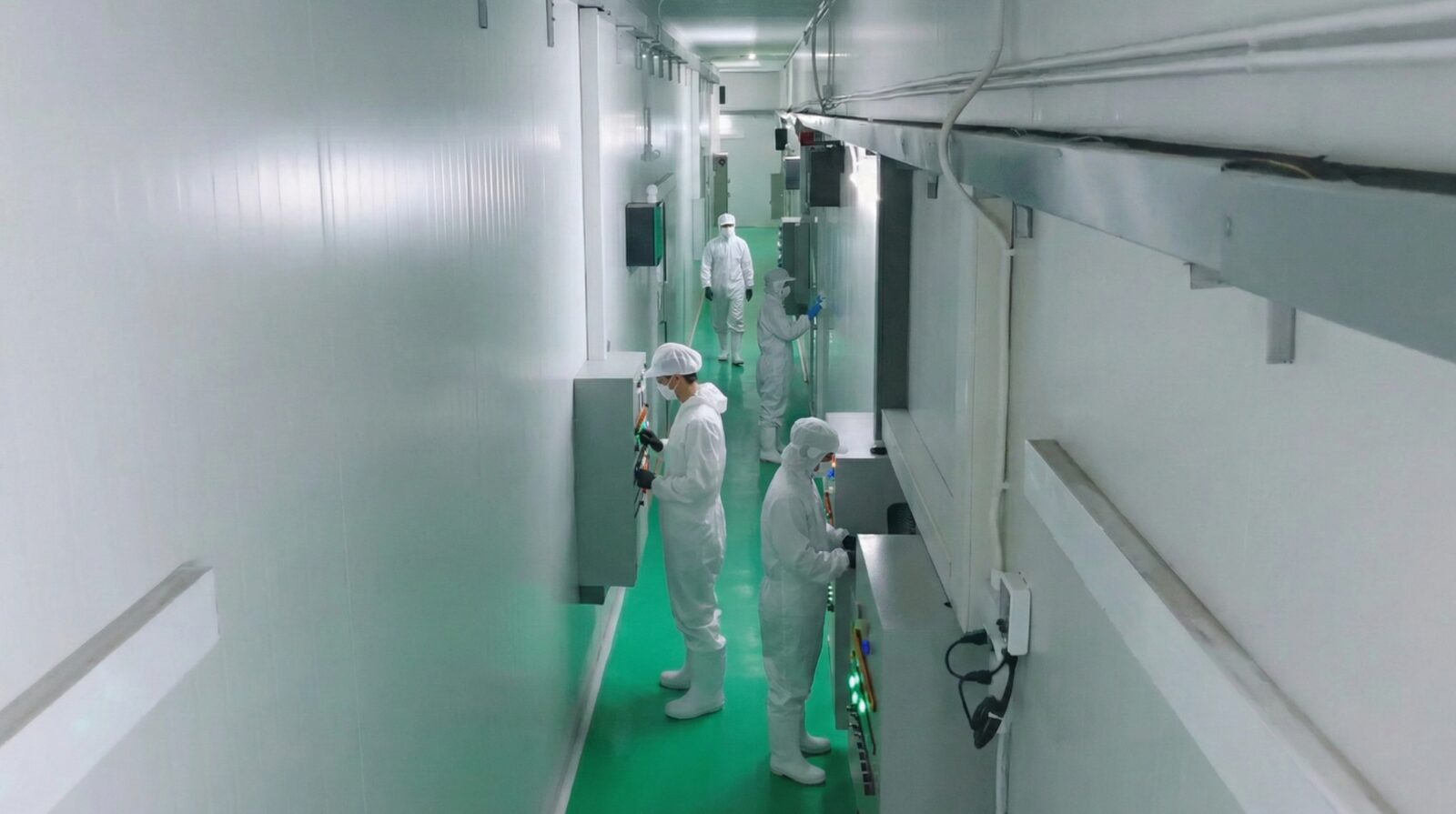
QA checks the process, not just the product. Records, rooms, and routines all get a second set of eyes before anything is called finished. A grower can tell you a room looked healthy. QA tells you what the logs say, whether the cure ran to spec, and whether the paperwork matches the plant in front of them.
The difference matters most on the days something goes slightly wrong. A grower under pressure wants to move the crop forward. QA has no crop to move. Their incentive is to find the gap and stop it, and that separation is the whole point.
Why we keep it separate from cultivation
If the people who grow the flower also sign off on it, you have built a conflict into your own operation. We do not. Our QA team reports on its own line and has the authority to hold a batch, no matter who grew it or what the schedule says.
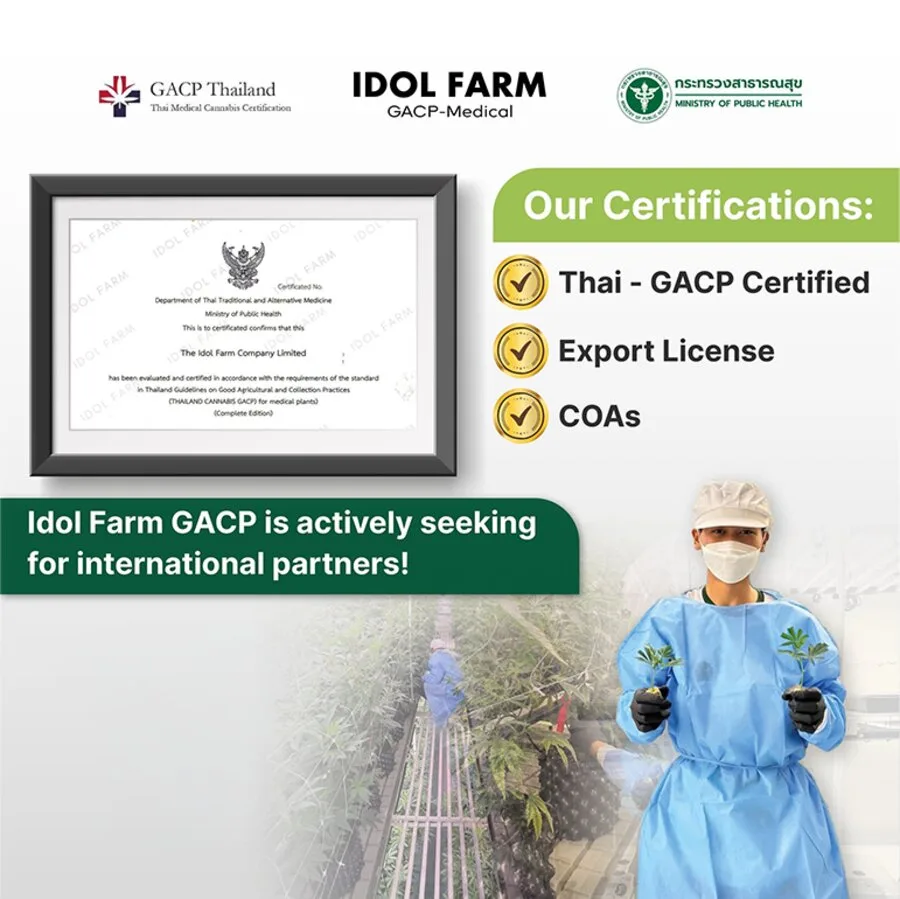
This is what GACP is really asking for. Not a binder on a shelf, but a structure where quality can push back on production and win. We built the farm as a fully integrated sealed indoor farm so that QA has clean inputs to check against, and we work with an EU GMP partner network that expects that discipline as a baseline.
Quality is not the grower's opinion. It is a separate team whose whole job is to disagree until the batch is right.
What the team checks, batch by batch
Every batch runs through the same gates. Nothing ships because it looks good. It ships because the record says it is good and an independent lab agrees. The core checks are simple to state and hard to fake.
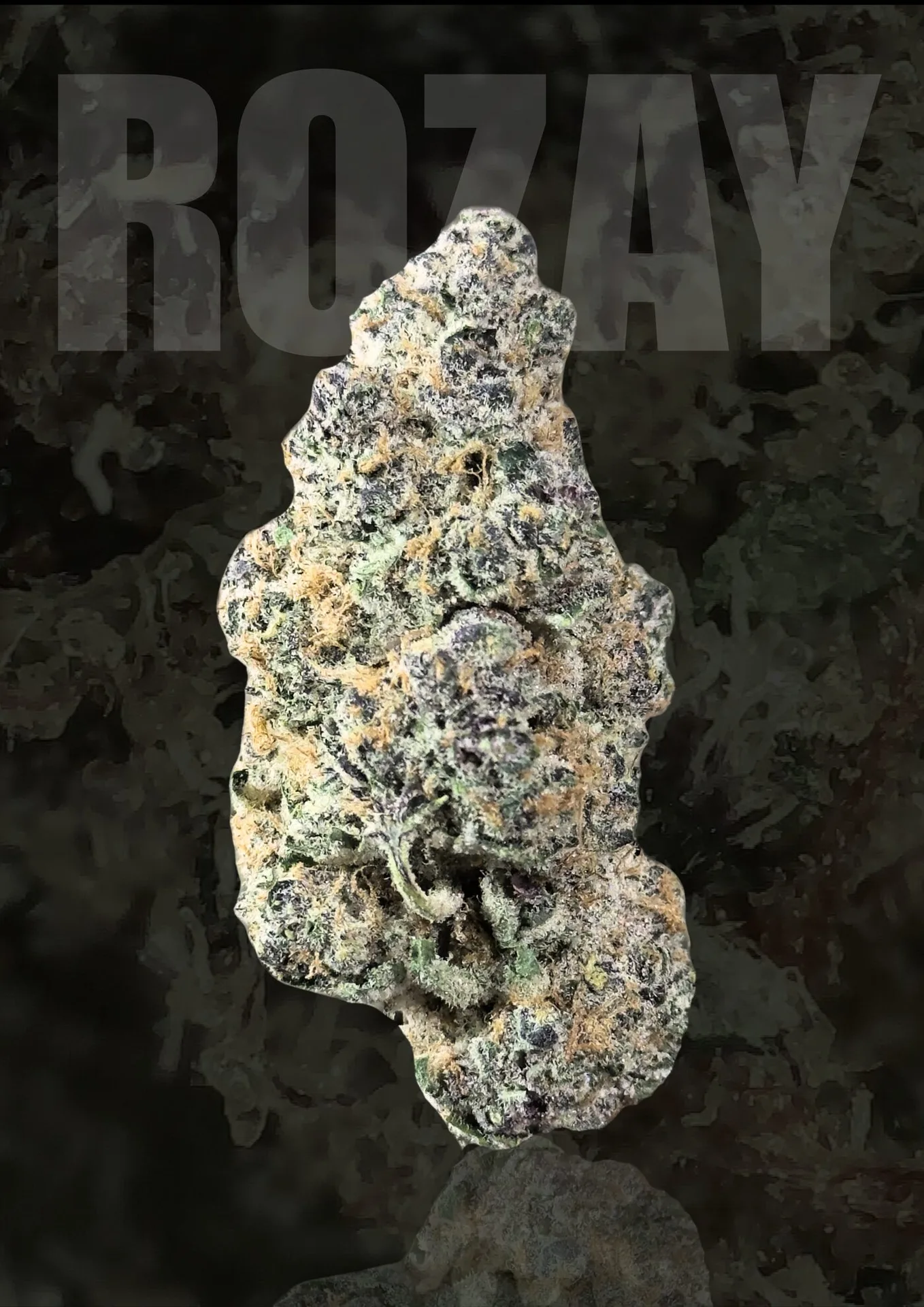
- Cannabinoid content, confirming the exotic profile at 22 to 30 percent THC.
- Full terpene breakdown, so the sensory character is documented, not promised.
- Pesticides, heavy metals, and microbials, all screened by an independent lab.
- Water activity, standardized batch to batch so the flower travels and stores the way it should.
- Traceability from seed to shipment, with every step logged and matched.
That last point is the one buyers underrate. A number on a COA is only as good as the chain behind it. When our QA team can trace a finished batch back through cure, trim, and grow to a single documented origin, the certificate stops being a marketing sheet and starts being evidence.
How a QA team protects the buyer
A QA team is the reason a problem never leaves the farm. By the time flower reaches your dock, someone whose job was to say no has already said yes. You are not trusting our optimism. You are trusting a process built to be skeptical of itself.
For an importer or a pharmaceutical distributor, this is what turns a supplier into a partner you can plan around. Consistency is not luck. It is the same checks, run the same way, on every batch, so the flower you approve today behaves like the flower you order next quarter. A COA on every batch, from an independent lab, means your own compliance team has real paper to work with, not our word.
What it means for white label and OEM
When you put your brand on our flower, our QA becomes part of your reputation. That is why we hold the same line on white label and OEM production as we do on everything else. Export ready packaging, hand trimmed and slow cured flower, standardized water activity, and a documented batch behind every unit. Your label, our proof.
Building the team, not just hiring it
A good QA team is trained to look for trouble and rewarded for finding it, not punished for slowing things down. We give ours clear authority, clear records, and clear separation from the pressure to ship. The result is boring in the best way. Batches move when they are ready, and a buyer rarely hears from us with a surprise.
If you are sourcing medical cannabis for a regulated market, ask a simple question of any farm you talk to. Who has the power to stop a batch, and what happens when they use it? At Idol Farm, the answer is a dedicated team, real authority, and a paper trail that holds up when someone checks. That is the difference between flower that looks finished and flower that is proven. Send us your specs and your compliance requirements, and we will show you the records behind the claim.