
Thailand's cannabis rules have moved fast, and buyers feel it. One year the framework reads one way, the next it shifts again. If you import or distribute flower, that uncertainty is not academic. It decides whether a shipment clears, whether a partner is safe, and whether the product you order is the product you receive. So here is where things stand today, and why it matters for anyone sourcing from us.
The direction of travel is toward standards
The headline is simple. Thailand is moving toward a serious, standards based industry. The debate at home is about how tightly to regulate, not whether cannabis has a legitimate medical and export role. For an export buyer, that trend line is the good news. It rewards suppliers who already operate to the standards regulated markets demand, and it squeezes out the informal players who never could.
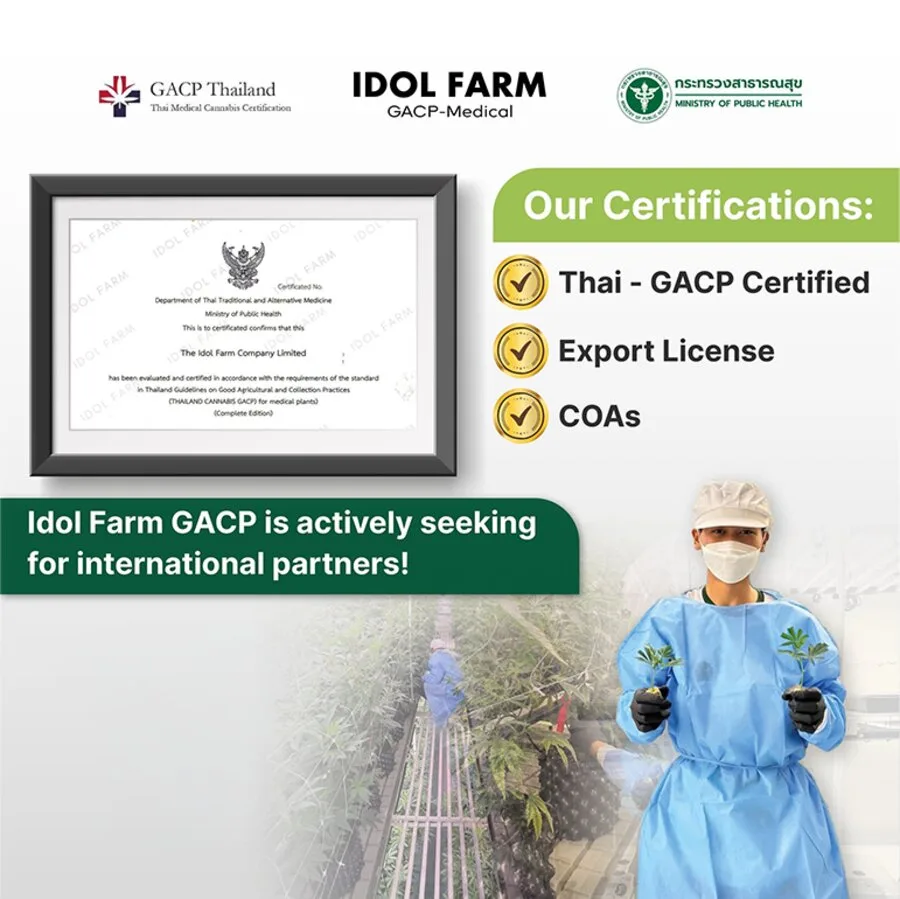
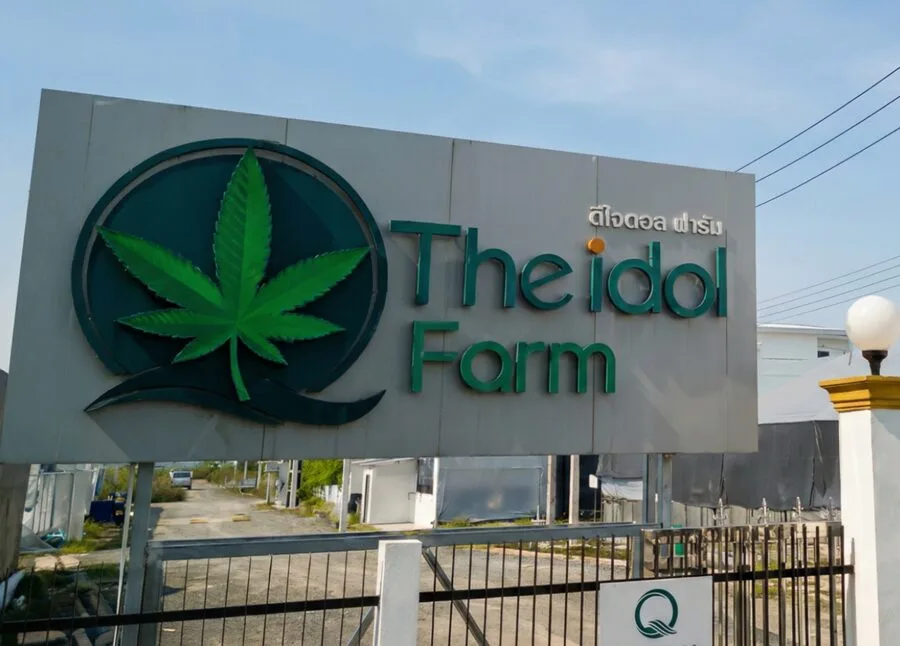
We built Idol Farm for that future, not the past. GACP certified, fully sealed indoor farm, and an EU GMP partner network on the processing side. When rules tighten, we do not scramble. We are already there.
Why Thailand can supply premium flower at scale
Thailand has real advantages, and they are physical, not marketing. The climate and growing knowledge here support premium flower year round. Combine that with a fully integrated sealed indoor farm and you get consistency that outdoor and hybrid operations struggle to match. We run around 500 kg of finished flower per month, more than seven tons a year, with room to scale as demand grows.
That matters to a wholesaler or distributor for one reason. You can plan. A supplier who can hold volume and quality across the calendar lets you sign contracts you can actually honor.
What "export ready" really means
Plenty of farms call themselves export ready. Fewer can prove it. For us the phrase has a specific meaning, and every part of it is checkable.
- A COA on every batch, from an independent lab, covering cannabinoids, terpenes, pesticides, heavy metals and microbials.
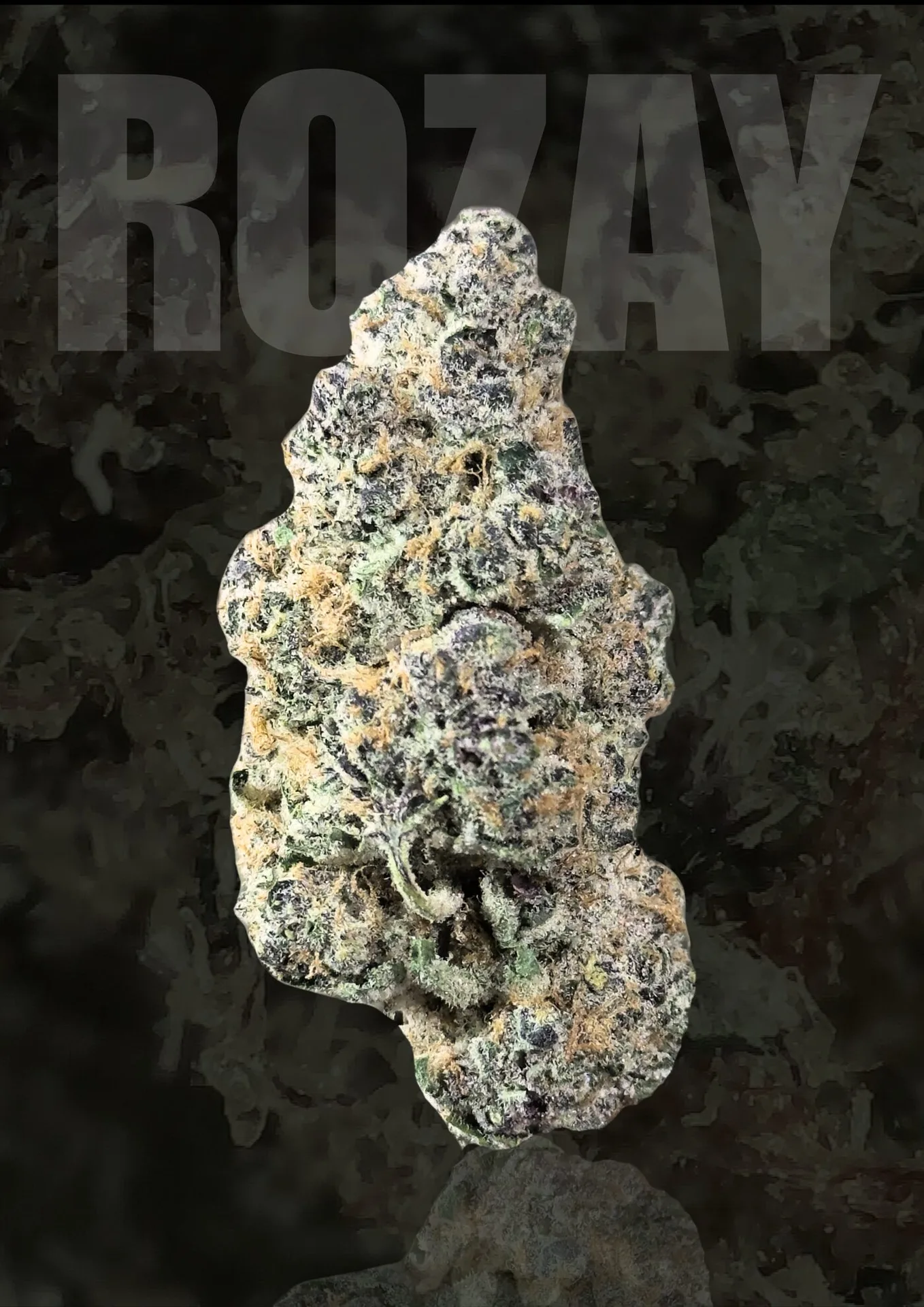
- Exotic flower at 22 to 30 percent THC, hand trimmed and slow cured.
- Water activity standardized so the flower travels and stores without surprises.
- Full seed to shipment traceability, so any batch can be traced back to where it grew.
- Export ready packaging, with white label and OEM available.
None of that is a nice to have in a regulated market. It is the price of entry. A buyer who imports without it carries risk that shows up later, at customs, at the pharmacy, or in a recall.
The opportunity in Thailand is real. Working with a partner who stays inside the rules is what turns opportunity into a shipment that clears.
What buyers should watch, and what to ask
The rules here keep developing. That is not a warning to stay away. It is a reason to pick your supplier carefully. A serious operation tracks the regulatory picture, adjusts, and keeps producing to the standards export markets recognise. A weak one waits to be told, then falls behind.
Questions worth asking any Thai supplier
Before you commit, get straight answers on a few things. Ask to see a recent COA and check that the lab is independent. Ask how they standardize water activity and cure. Ask how traceability works, batch by batch. Ask what happens if a shipment is held. The answers tell you fast whether you are dealing with an operator or a middleman.
Why this favors the long term buyer
Here is the part that gets missed. A tightening framework is hard on some suppliers and good for you. As standards rise, the field narrows to the farms that can meet them. If you build a relationship now with a supplier who already clears the bar, you lock in supply while others are still trying to qualify. You also get a partner whose paperwork protects you as much as it protects them.
We think of a COA, full traceability and consistent water activity as buyer protection first. They are the documents you hand to your own regulators, your own customers, your own board. When the story of a batch has to hold up, ours does.
The practical takeaway
Thailand is not a gray market gamble anymore. It is becoming a standards driven export source, and the suppliers who survive that shift are the ones already built for it. If you are sourcing flower, do not just compare price and THC. Compare who can prove what they ship, batch after batch, and who will still be compliant when the rules move again. That is the supplier worth signing. Send us your specs and we will send you a current COA and a sample plan, so you can judge us on the flower and the paperwork, not the pitch.