
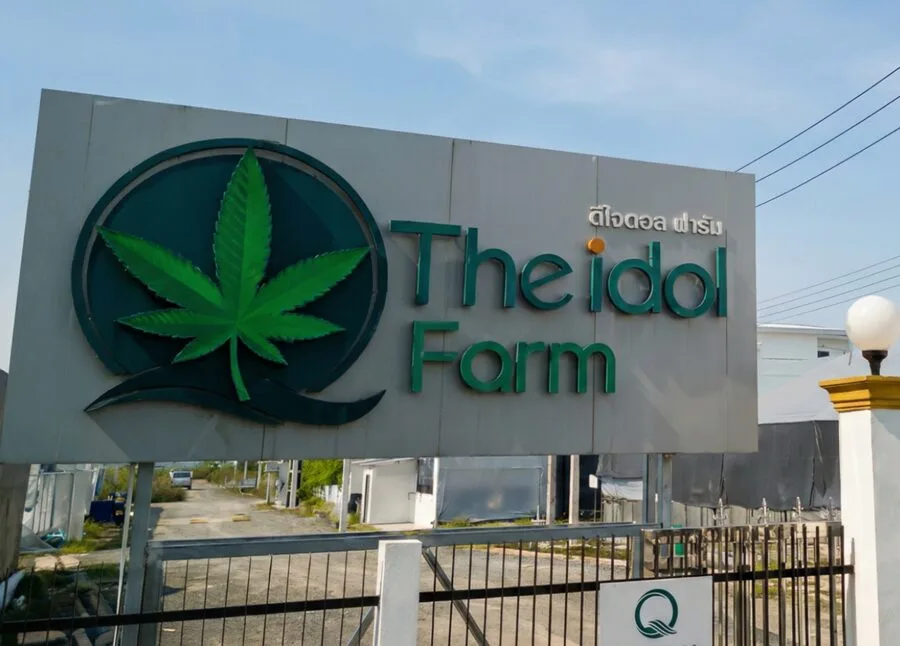
Buyers ask us the same question all the time. Should we source from Thailand, Colombia or Africa? It is a fair question, and the honest answer is that each region solves a different problem. There is no single best origin. There is only the best fit for the market you serve and the paperwork you need to move product across a border.
We grow in Thailand, so we have a point of view. But we deal with importers and distributors who buy from all three regions, and we understand why they do. Here is how the three compare, and where we think Thailand earns its place.
What buyers are actually comparing
Most buyers frame this as a cost decision. It rarely is. The real variables are consistency, potency, documentation and the ability to ship the same quality month after month. A low price on a spot lot means nothing if the next batch fails a heavy metals test or the terpenes fall flat.
So the comparison that matters is not price per gram. It is landed quality per kilo, backed by paperwork that a regulator in your destination market will accept without argument.
Where Colombia fits
Colombia built its cannabis sector on scale and cost. The climate supports large outdoor and greenhouse grows, labor is affordable, and the country has real export experience. For buyers who need volume of extract grade biomass at a low unit cost, Colombia is a serious option.
The trade off shows up in exotic flower. Outdoor and greenhouse production at scale is hard to standardize for top shelf smokable product. Potency and appearance vary with the season. If your market wants premium indoor flower with predictable structure and cure, Colombia is not usually where that comes from.
Where Africa fits
Several African producers, especially in the south, have moved fast on licensing and low cost outdoor cultivation. The sunlight is excellent and the cost base is very low. For cheap biomass and oil feedstock, some of these operations are competitive.
The challenge is infrastructure and consistency. Cold chain, testing capacity, and reliable export logistics are still uneven across the region. Documentation that travels cleanly into the EU or other regulated markets can be harder to guarantee. Buyers who go there for price often spend the savings managing risk on the back end.
Where Thailand fits, and where we fit
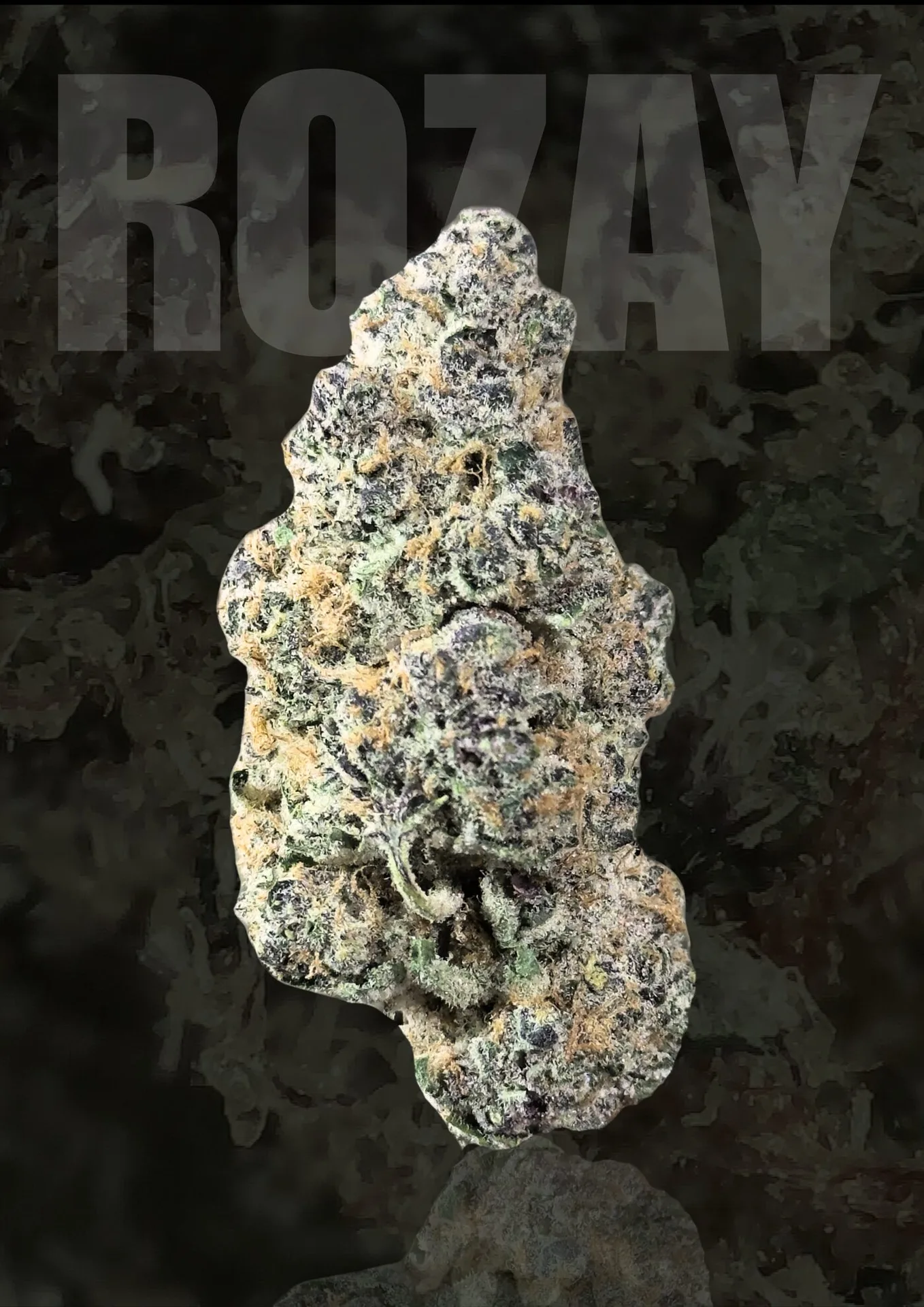
Thailand sits in a different lane. The growing conditions are strong year round, and the sector has matured toward indoor, controlled production rather than open field volume. That suits exactly the buyer we serve. Someone who needs premium exotic flower, high potency, and supply they can count on.
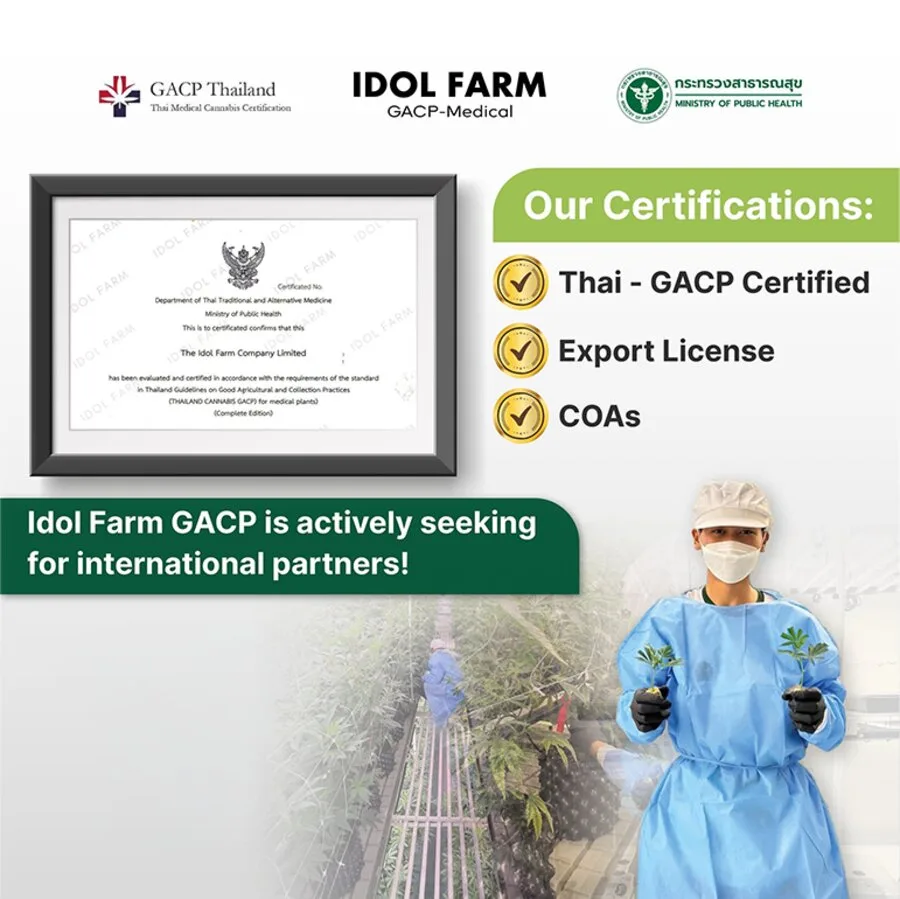
We run a fully integrated sealed indoor farm. We are GACP certified and we work within an EU GMP partner network, which means the quality system is built for regulated export, not improvised for it. We produce around 500 kg of finished flower a month, more than 7 tons a year, with room to scale as buyers grow with us.
The cheapest source and the best source are rarely the same place. Decide which one your market needs before you decide where to buy.
What consistent quality looks like in practice
Exotic flower from 22 to 30 percent THC is the range we work in, and 22 is a floor rather than an average. Every kilo is hand trimmed and slow cured, and we standardize water activity so the product arrives stable and stays that way through shipping and shelf time. That is the difference between a good sample and a supply relationship.
Every batch ships with a COA from an independent lab. It covers cannabinoids, terpenes, pesticides, heavy metals and microbials. Nothing leaves without it.
- GACP certified, sealed indoor cultivation with an EU GMP partner network.
- Exotic flower at 22 to 30 percent THC, hand trimmed and slow cured.
- A full COA on every batch from an independent lab.
- Seed to shipment traceability on all product.
- White label and OEM, with export ready packaging.
How to make the call
Match the origin to the job. If you need low cost extract feedstock at large volume and you can manage variability, Colombia or Africa may serve you well. If your market demands premium smokable flower with documentation a regulator will trust, that narrows the field fast.
For that second buyer, Thailand is a strong answer, and we built our operation for exactly that use case. Full seed to shipment traceability means you can trace any kilo back to its batch. White label and OEM options let you put premium flower under your own brand without running a farm yourself.
Our practical advice is simple. Do not choose a region in the abstract. Write down what your market actually requires, potency, format, documentation, and volume, then ask each supplier to prove they can hit it on repeat. Ask for a COA. Ask about traceability. Ask what a second and third shipment looks like, not just the first. The suppliers who answer cleanly are the ones worth your time, and we are happy to be measured that way.