

A certificate of analysis lists more than one THC number, and they do not mean the same thing. If you buy or import flower, reading them the wrong way is an easy mistake that costs you money and credibility with your own customers. Here is how we read a COA, and how we want ours to be read.
The three numbers you will see
Most cannabinoid panels report THCA, THC, and Total THC. THCA is the raw acid form. It sits in the fresh, uncombusted flower and does almost nothing on its own. Delta 9 THC is the active form, the compound that actually does the work once heat is applied. Total THC is the figure that combines the two using a conversion factor, because heating THCA converts most of it into active THC.
The conversion is not one to one. THCA is a heavier molecule. When it loses its acid group under heat, it sheds weight. Labs account for this with a standard formula, roughly Total THC equals delta 9 THC plus 0.877 times THCA. That 0.877 is why Total THC is always lower than a simple sum of the two raw figures.
Why the distinction matters to a buyer
Two flowers can look identical on a spec sheet and still be sold on different numbers. One vendor quotes THCA at 28 percent. Another quotes Total THC at 24 percent. The second flower may well be the stronger product once it is used, but the bigger printed number on the first one wins the glance. That is the trap.
A big number means nothing until you know which number it is.
When you compare offers, line up the same field on each COA. Compare Total THC to Total THC, or THCA to THCA. Never compare one vendor's THCA against another vendor's Total THC. If a supplier leads with THCA and buries Total THC, ask why. The honest way to judge potency is Total THC, because it reflects what the flower delivers in use.
What a clean COA should show you
Potency is one line on a proper report. A COA that only tells you a THC figure is not doing its job. Ours covers the full picture on every batch, run by an independent lab, so the number sits inside a complete safety and quality profile rather than standing alone.
- Full cannabinoid breakdown, including THCA, delta 9 THC, and Total THC
- Terpene profile, so you know the aroma and character, not just the strength
- Pesticide screening against regulated limits
- Heavy metals and microbial testing
- Water activity, which governs shelf stability and mold risk
Read together, these tell you whether a flower is strong, clean, and stable. Potency without the rest is half a story, and it is the half that markets itself.
How we handle the numbers at Idol Farm
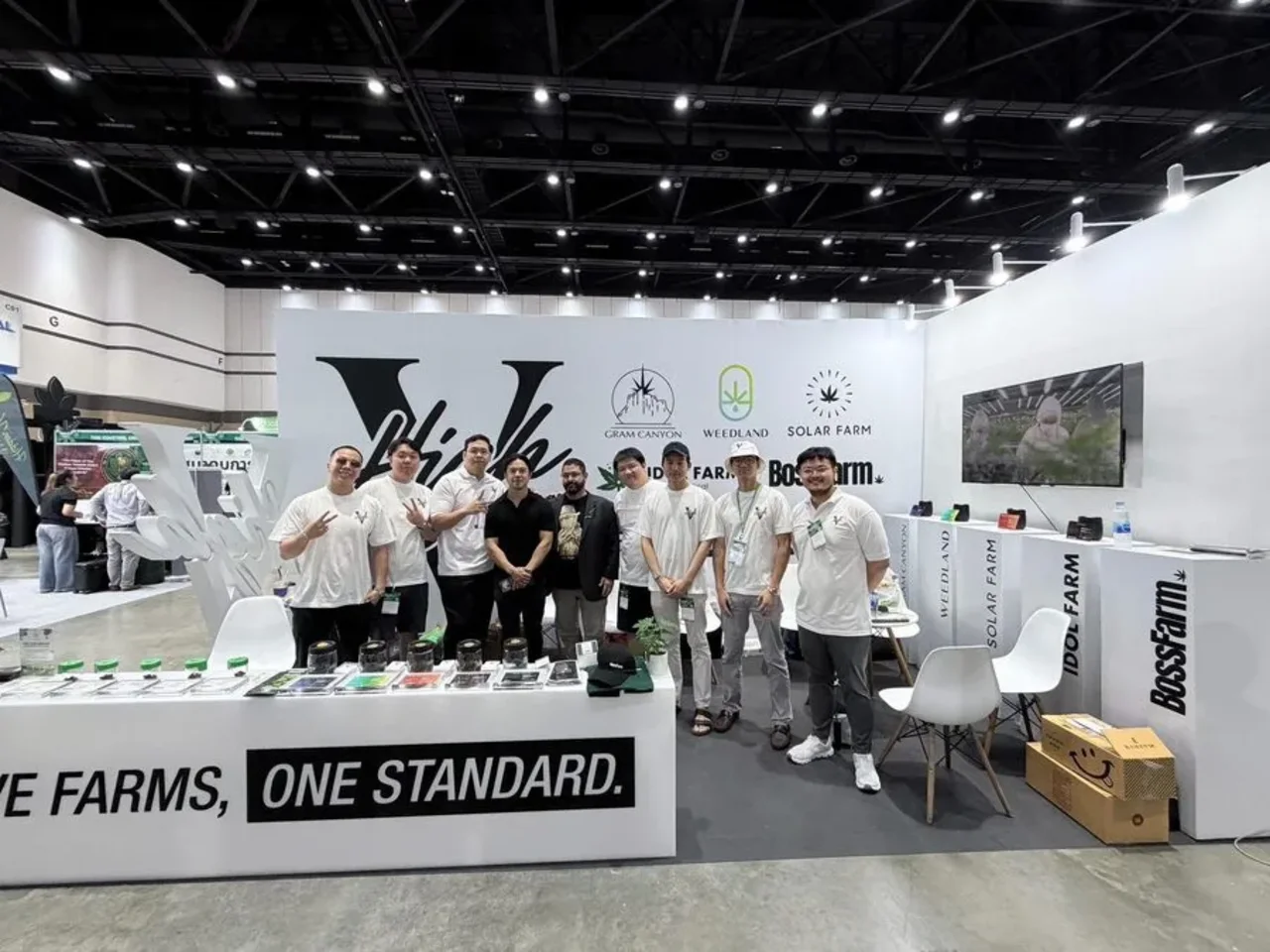
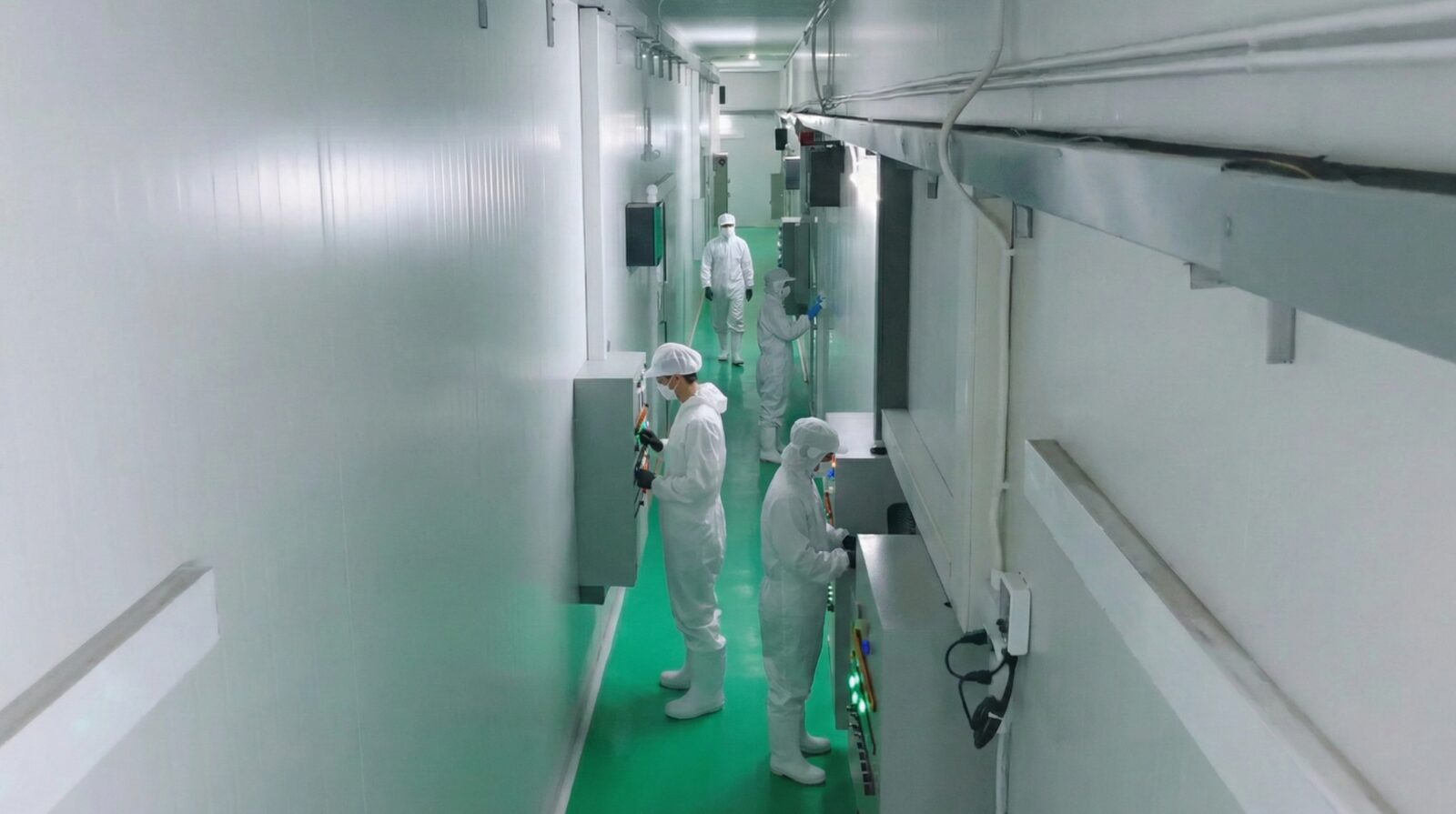
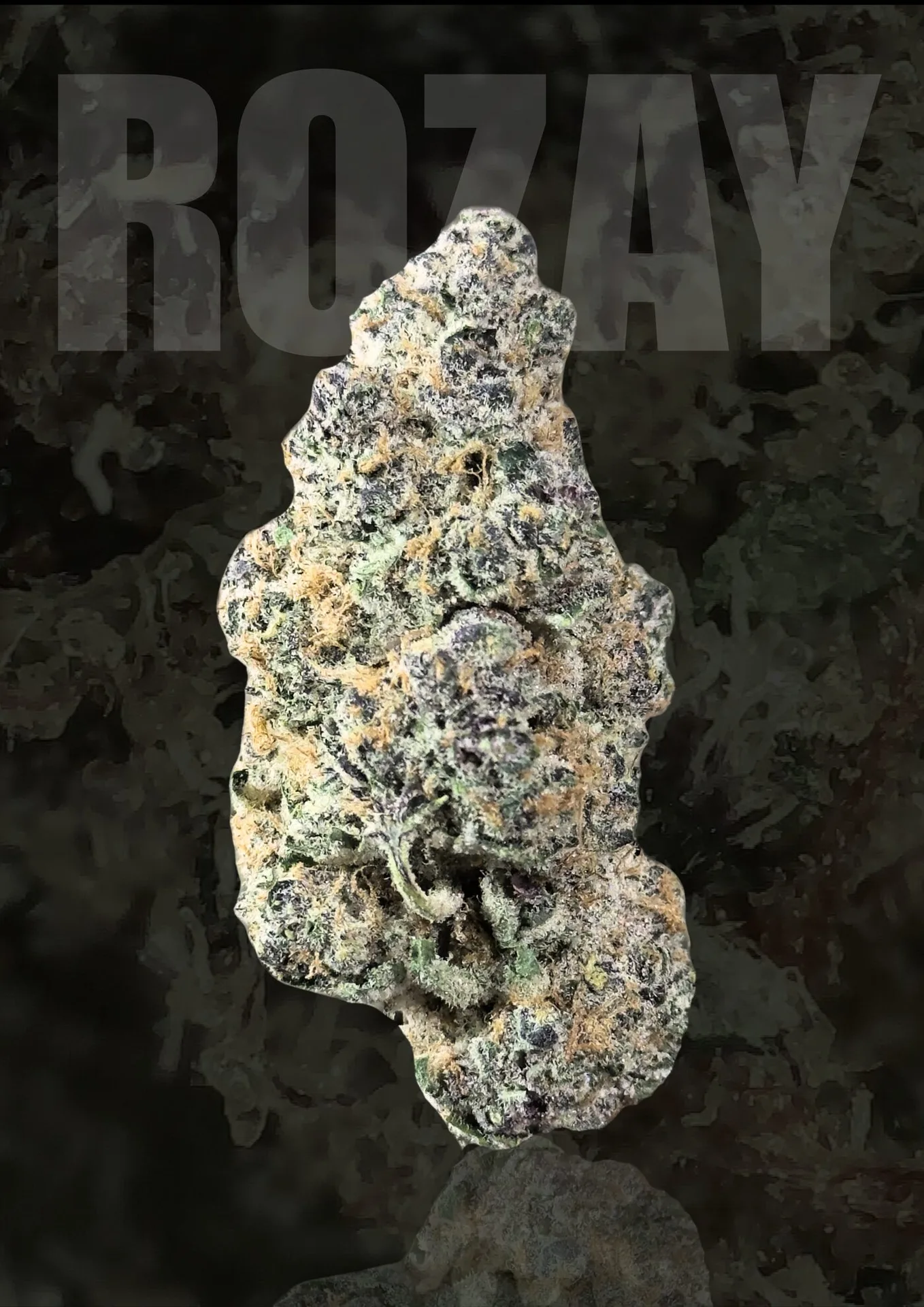
We grow exotic flower that tests at 22 to 30 percent THC, in a fully integrated sealed indoor farm in Thailand. We are GACP certified and work through an EU GMP partner network, so the way we test and document is built for regulated markets, not for a sales sheet.
Every batch carries its own COA from an independent lab. We report THCA, delta 9 THC, and Total THC as separate lines, because collapsing them into one figure is how buyers get misled. We hand trim, slow cure, and standardize water activity, which keeps potency and quality consistent from the day of testing to the day the flower reaches you. Full seed to shipment traceability means the number on the certificate ties back to a specific batch, not a category average.
Consistency at volume
Reading a COA correctly matters more when you buy at scale. We produce around 500 kg of finished flower a month, more than 7 tons a year, with room to grow. A single misread field, repeated across a large order, turns into a real gap between what you paid for and what you sold. Batch level testing is what keeps that gap closed.
A practical takeaway
Before you commit to any flower, do three things. Confirm which THC figure the vendor is quoting. Compare Total THC across every offer on the table. Then check that potency sits inside a full COA covering terpenes, pesticides, heavy metals, microbials, and water activity, from a lab with no stake in the sale. Do that, and the numbers start telling you the truth instead of selling you a story. If you want to see how we document a batch, ask us for a sample COA and we will walk you through every line.