
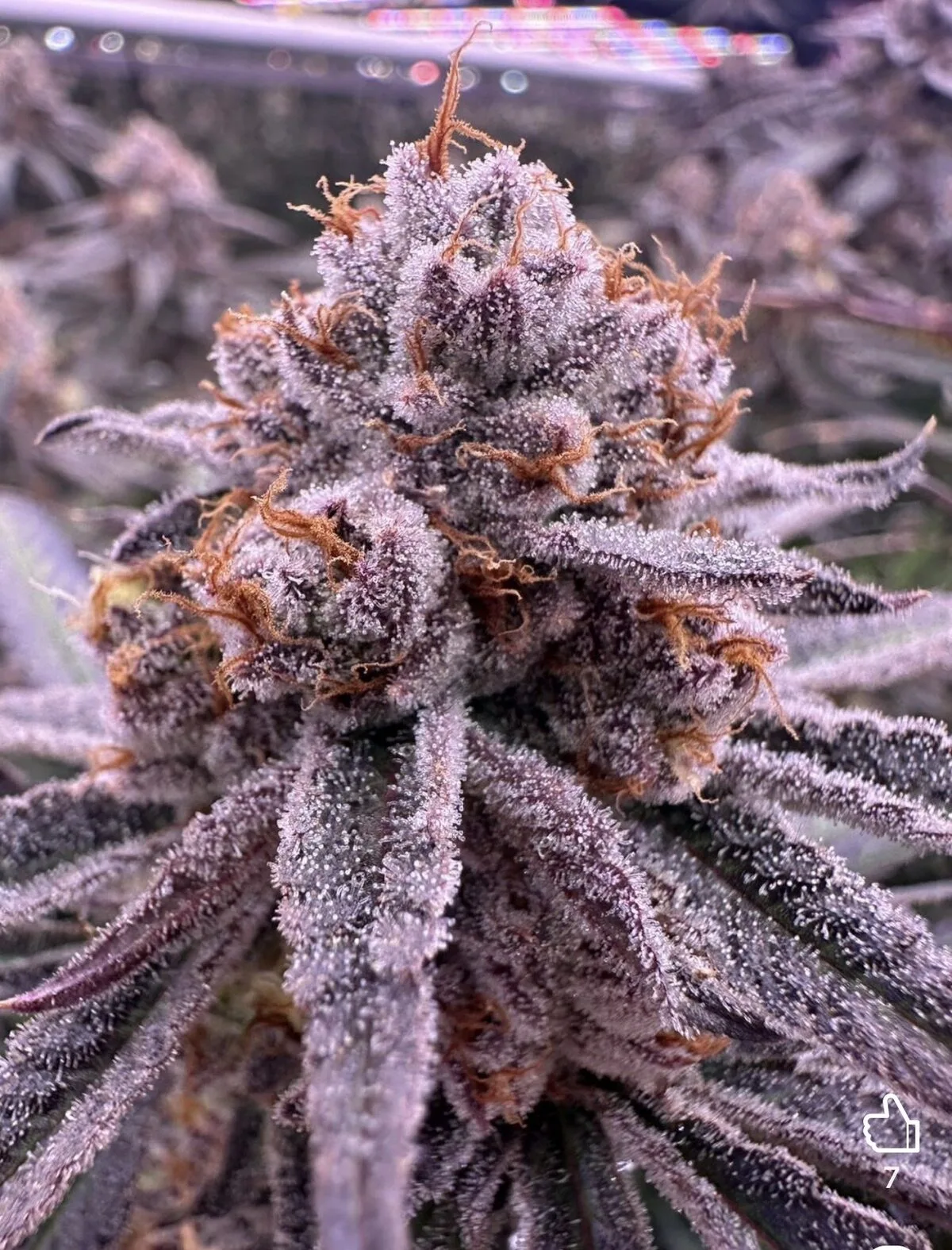
Names get borrowed in this trade. A famous strain name printed on a label does not mean the genetics inside the bag are real. Serious buyers stopped trusting the name years ago. What they trust now is the record behind it.
We ship exotic flower into regulated markets, and we hear the same worry from importers on every continent. They have been burned before. A supplier sends a sample that looks and smells like the real thing, the container arrives, and the flower inside is a lookalike with a different profile and a weaker effect. The label was correct. Nothing else was.
Why strain names stopped meaning anything
A strain name is marketing. It is not a genetic fingerprint, and nobody polices it. Anyone can grow a mediocre plant, call it by a famous name, and print that name on a pouch. In an unregulated seed and clone market, the same name can point at a dozen different plants that share nothing but the spelling.
For a buyer moving product across borders, that gap is expensive. You are not just paying for flower. You are paying for a profile your customers expect, batch after batch. If the genetics behind the name keep shifting, so does everything your brand is built on.
What experienced buyers actually check
The importers who get this right have quietly built a checklist. They look past the name and go straight to the evidence. Three things carry the weight.
First, provenance. Where did the mother stock come from, and can the farm prove it kept that line clean? Second, control. Is the plant grown in a stable, sealed environment where the profile can actually be held steady, or is it exposed to whatever the season brings? Third, proof. Does the flower in the batch match the profile it claims, measured by an independent lab and not by the seller.
A strain name is a promise. The genetics record is what tells you the promise is real.
The record we can put in front of you
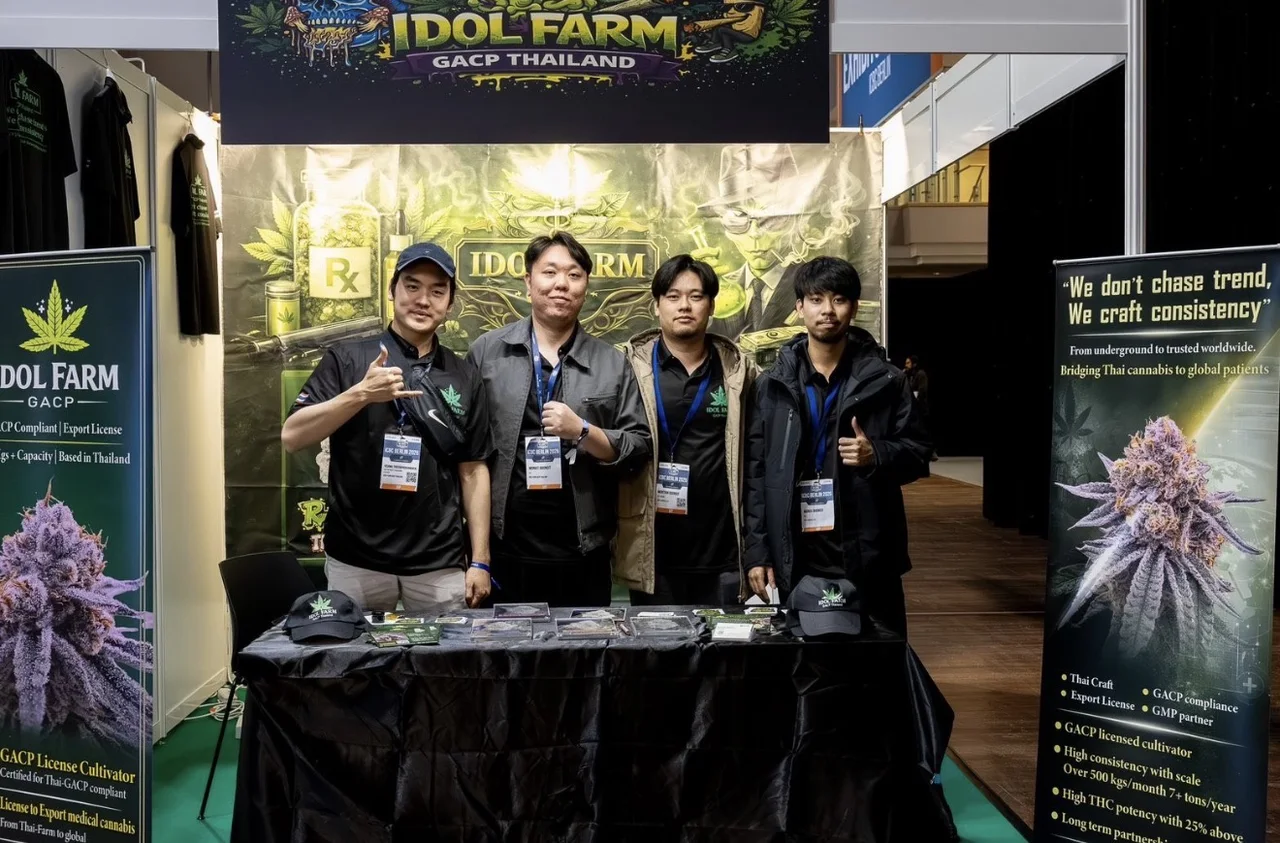
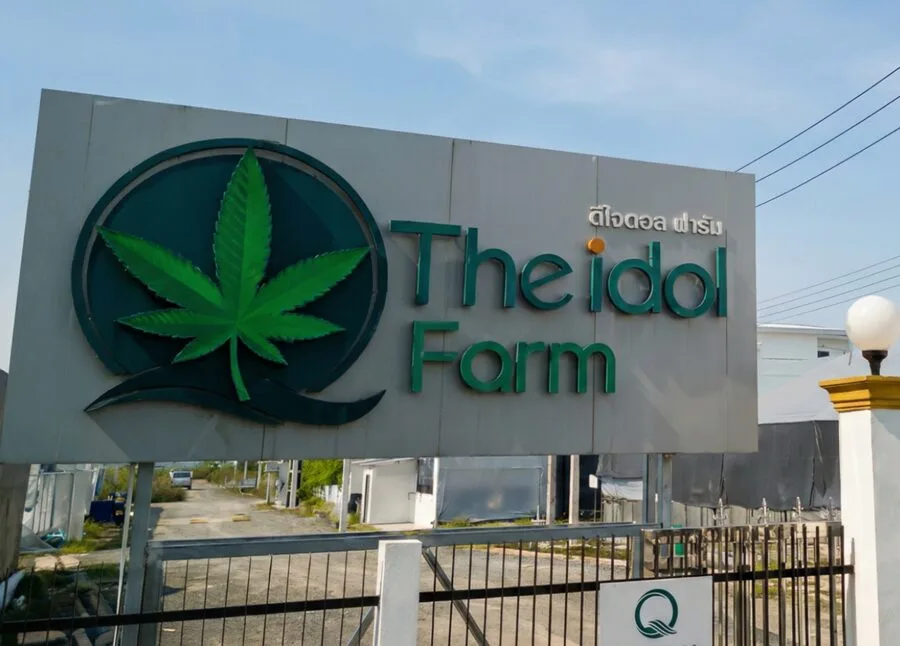
We run a fully integrated, sealed indoor farm in Thailand. We are GACP certified and work inside an EU GMP partner network, so our lines are handled to a standard that holds up when a regulator asks questions. We keep our genetics clean, and we can show where each line started and how it has been kept.
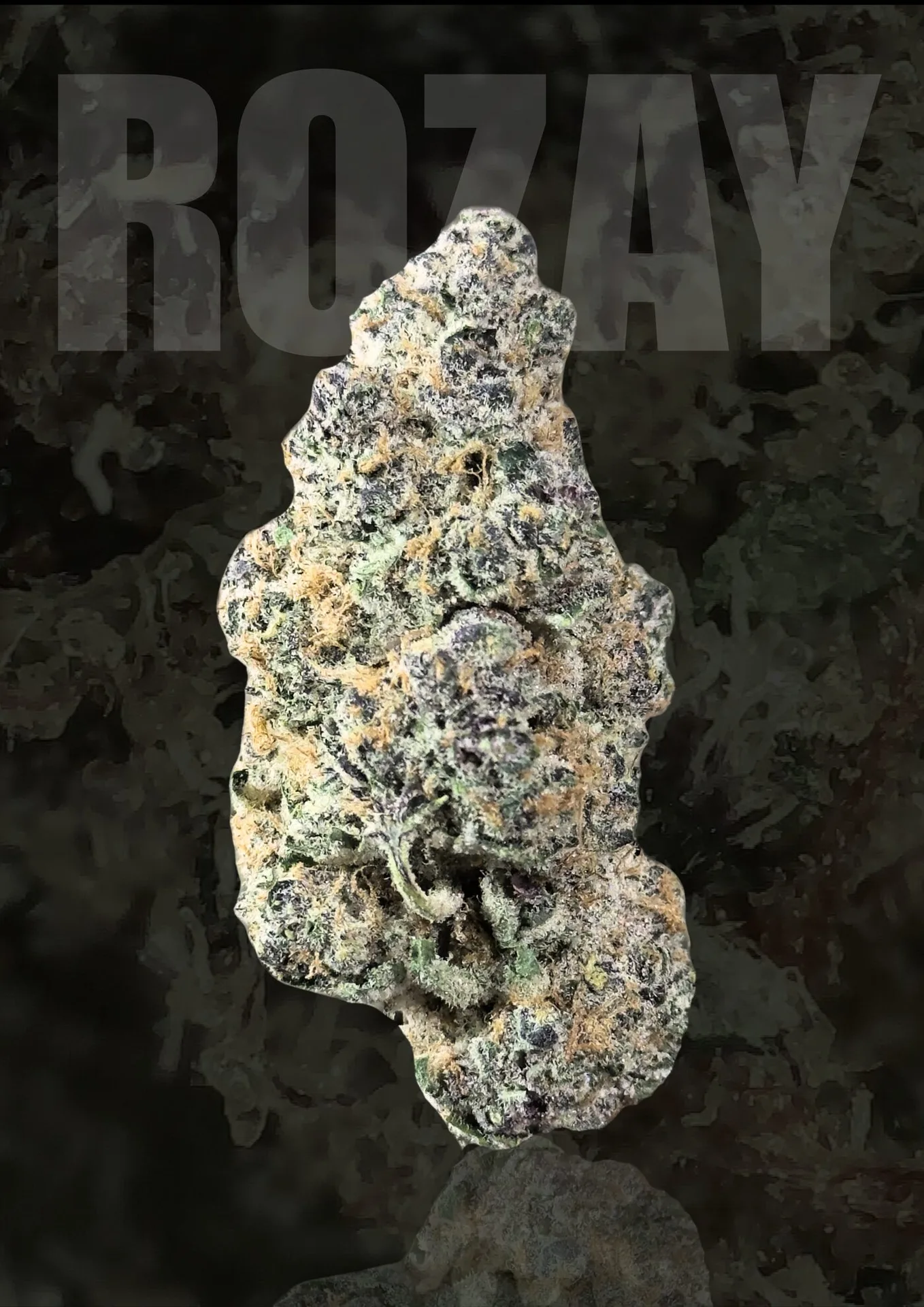
That control shows up in the flower. Our exotic runs test at 22 to 30 percent THC. Every plant is hand trimmed and slow cured, and we standardize water activity so the flower that leaves us is stable in transit and on the shelf. When a profile is real and the environment is held tight, the result is repeatable. That is the whole point.
Proof travels with every batch
Every batch ships with a COA from an independent lab. It is not a marketing sheet. It covers the things a buyer and a regulator both care about.
- Full cannabinoid breakdown, so the potency claim is measured, not asserted.
- Terpene profile, which is where a genuine exotic separates itself from a lookalike.
- Pesticide screening against defined limits.
- Heavy metals, tested to a level that clears import review.
- Microbial results, so the flower is safe to handle and sell.
Read together, that data is the fingerprint. A lookalike can copy a name. It cannot copy a matching cannabinoid and terpene profile across repeated, independently tested batches. When the numbers line up run after run, you are looking at real genetics grown under real control.
Traceability from seed to shipment
The COA proves what is in one batch. Traceability proves that batch is part of a consistent line. We keep full seed to shipment records, so a buyer can follow a shipment back through cure, harvest and grow to the stock it came from. Nothing goes dark in the middle.
That record is also what makes white label and OEM work possible without risk. If you put your own brand on our flower, you are standing behind the genetics inside it. We give you export ready packaging and the paperwork to back every claim on it, so your name sits on something you can defend.
What this means for your next order
Do not buy a name. Buy the record behind it. Ask any supplier for provenance on the line, for proof of a controlled environment, and for an independent COA on the exact batch you are quoted, not a flattering one from six months ago. If they cannot produce all three, you are buying a label and hoping.
We built our operation so those answers are already sitting in a file, ready before you ask. We run around 500 kg of finished flower a month, more than seven tons a year, with room to scale, and every kilo of it carries the same record. Send us the profile you need, and we will show you the genetics, the control and the lab data that stand behind it.