
Buyers ask us the same question in almost every first call. Why does one kilo of flower cost far more than another that looks similar in a photo? The price is not random, and it is not a negotiation trick. It is the sum of everything that had to go right before the flower reached your table. Here is what sits behind the number.
Once you can see the drivers, you can tell a fair price from an inflated one, and a real bargain from a risk you do not want to import. This guide breaks down what actually moves the cost of exotic, pharmaceutical grade flower, and where the cheap option quietly costs you more.
What you are actually paying for
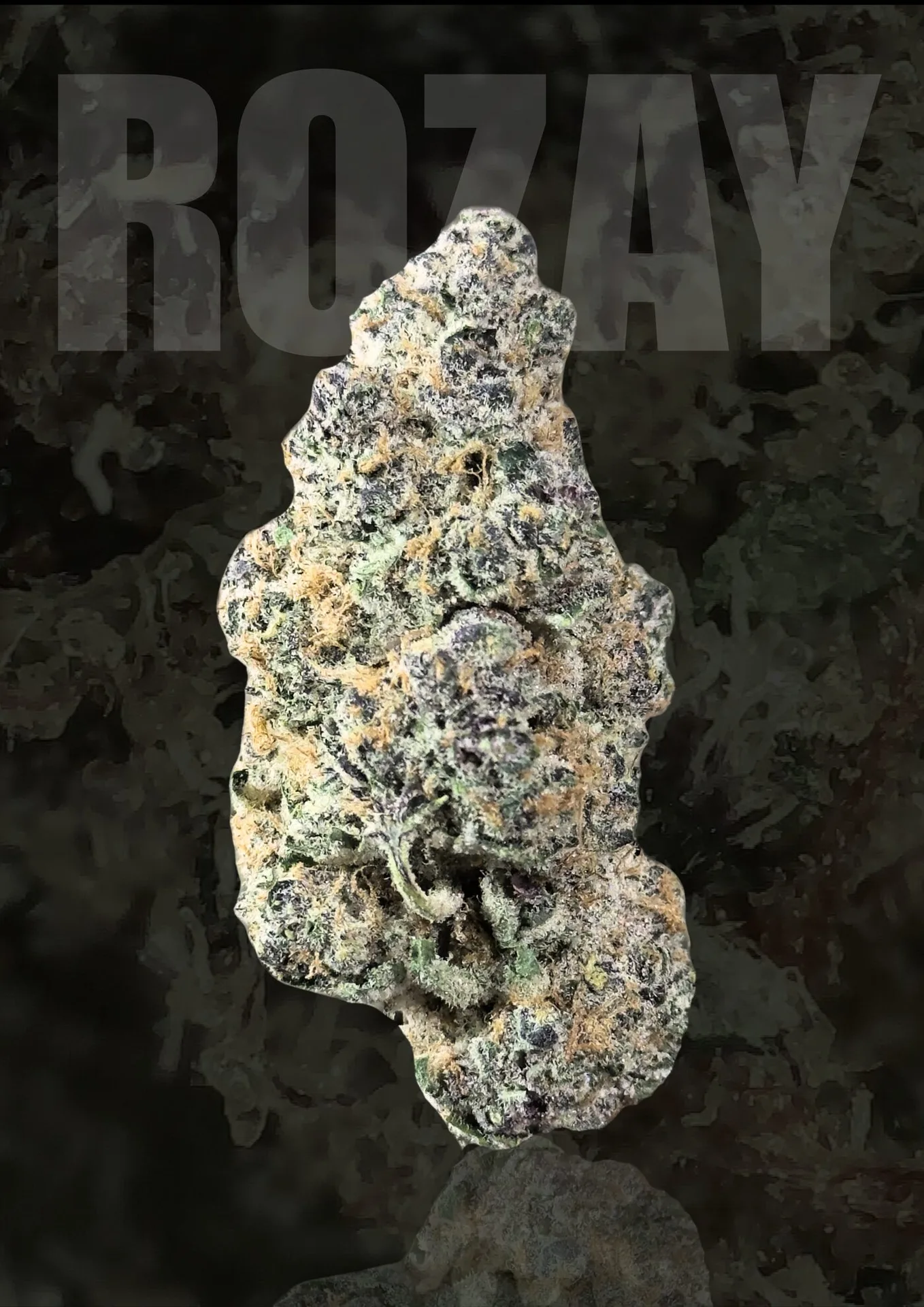
Flower is not a commodity once you move above the middle of the market. At the top, you are paying for genetics, grade, potency, documentation and, above all, the ability to repeat the result. We grow exotic flower at 22 to 30 percent THC inside a fully integrated sealed indoor farm. That control is expensive, and it is the whole point.
The price reflects a chain of choices. Stable genetics selected for a specific effect and terpene profile. Hand trimming instead of machine work. A slow cure that protects the terpenes rather than rushing weight out the door. Water activity standardized so the flower stays stable through a long export journey. Each step adds cost, and each one shows up in the jar.
The line items that matter
- Genetics and grade. Rare, in demand cultivars grown to top shelf standard, not filler.
- Potency and terpenes. High THC is easy to claim and hard to hit batch after batch.
- Documentation. A full COA on every batch, from an independent lab.
- Handling. Hand trimmed, slow cured, and packed in export ready packaging.
- Consistency. The same result next month, and the month after that.
Why the cheapest offer is rarely the deal
A low headline price usually hides something. Sometimes it is a weak batch that tested well once and never again. Sometimes it is thin documentation, or a COA that covers cannabinoids but skips the tests that keep a shipment legal. In a medical market, those gaps are not small. They are the difference between a batch that clears customs and one that gets held, rejected or recalled.
The real cost of a bad batch is never just the batch. It is the lab retest, the delayed shipment, the pharmacy or authorized distributor that stops returning your calls, and the customer who tried your product once and moved on. Cheap flower that fails on arrival is the most expensive flower you can buy.
Price tells you what a flower costs. Consistency tells you what it is worth.
How documentation changes the math
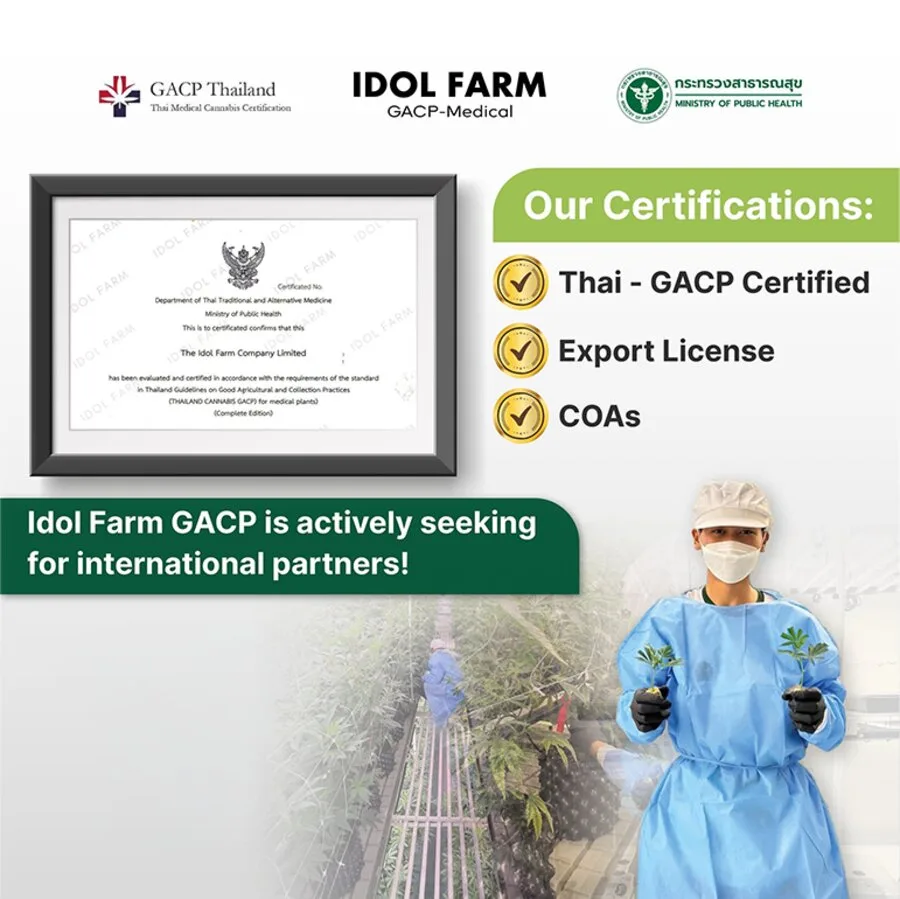
For regulated buyers, paperwork is not overhead. It is the product. We put a COA on every batch covering cannabinoids, terpenes, pesticides, heavy metals and microbials, all from an independent lab. That is what lets an importer, a pharmaceutical distributor or an authorized distributor move flower into a regulated market without holding their breath at the border.
We also run full seed to shipment traceability. Every batch can be traced back through the grow, the cure and the pack. When a regulator or a customer asks where a flower came from and how it was tested, we have an answer on file. That traceability is baked into the price, and it is worth more than a small discount from a source that cannot show its work.
What consistency really means at scale
Anyone can produce one impressive harvest. The hard part is doing it every month without drift. We finish around 500 kg of flower per month, more than 7 tons a year, with room to scale, all from a sealed indoor environment where the inputs do not swing with the weather. That control is why a batch you approve today looks and tests like the batch you order next quarter.
For a wholesaler or distributor, that predictability is the whole business. You build a brand, a price point and a customer base on a product. If the product changes every shipment, the brand changes with it. GACP certification and our EU GMP partner network are how we keep the process the same when the volume goes up, not just when it is easy.
Reading a wholesale quote the right way
When you compare two offers, do not stop at the per gram number. Ask what the COA covers and who ran it. Ask whether the potency holds across batches or lives on a single lucky test. Ask how the flower is trimmed, cured and stabilized for the trip to your market. Ask whether the grower can supply the same thing at volume, month after month, or only when the harvest cooperates.
We offer white label and OEM programs, so you can put a consistent, documented product under your own brand instead of gambling on the spot market. That only works because the flower underneath it does not move.
Here is the practical takeaway. Treat price as one line in a longer calculation that includes documentation, stability, traceability and supply you can count on. The cheapest kilo on a spreadsheet is rarely the cheapest kilo once it lands, sells and gets reordered. If you want to see how our flower is graded, tested and priced, send us your target market and volume, and we will walk you through a real batch.