
Terpenes give flower its smell, its taste and most of its character, and they are fragile. Everything the plant built during the grow can still be lost after harvest. The cure is where that fate is decided, and cold curing is how we protect it.
Potency gets the headlines. A buyer scans the COA, sees a THC number in the twenties, and moves on. But the number on the certificate is not what a patient smells when the jar opens, and it is not what an authorized distributor remembers a week later. Aroma sells the flower. Terpenes carry that aroma, and terpenes leave the fastest. How we cure decides how much we keep.
Why cold and slow wins
Heat and speed drive terpenes off. They are volatile compounds, so warmth and moving air pull them out of the flower and into the room. You can smell it happening in a hot dry space. That smell is loss. A slower, cooler cure holds those compounds inside the bud, so the finished jar smells the way the living plant did on the day we cut it.
The trade is time. A fast dry frees up space and gets product moving, but it strips the top notes and leaves a flat, hay like flower behind. We accept the slower path because the difference is in the glass every time. The batches that smell best are the ones nobody hurried.
Curing is where good flower is either finished or wasted. Rush it and you throw away the best part of what you grew.
What cold curing actually involves
It is not one trick. It is control held steady over weeks. We bring temperature and humidity down together and keep them there, so moisture leaves the flower slowly and evenly instead of flashing off the outside while the core stays wet. Even drying is the whole game. A bud that dries too fast on the surface traps moisture inside, and that is where problems start later.
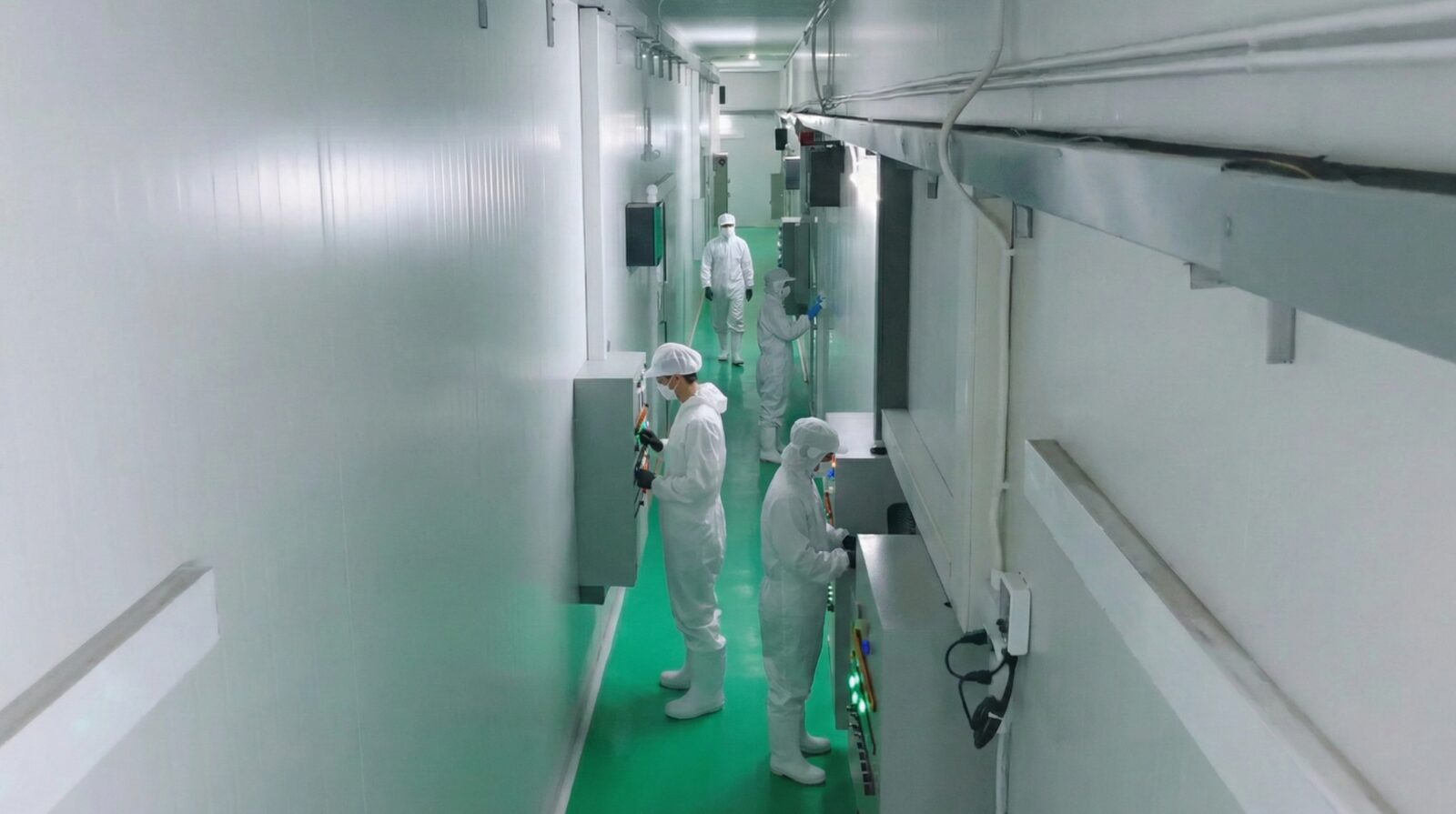
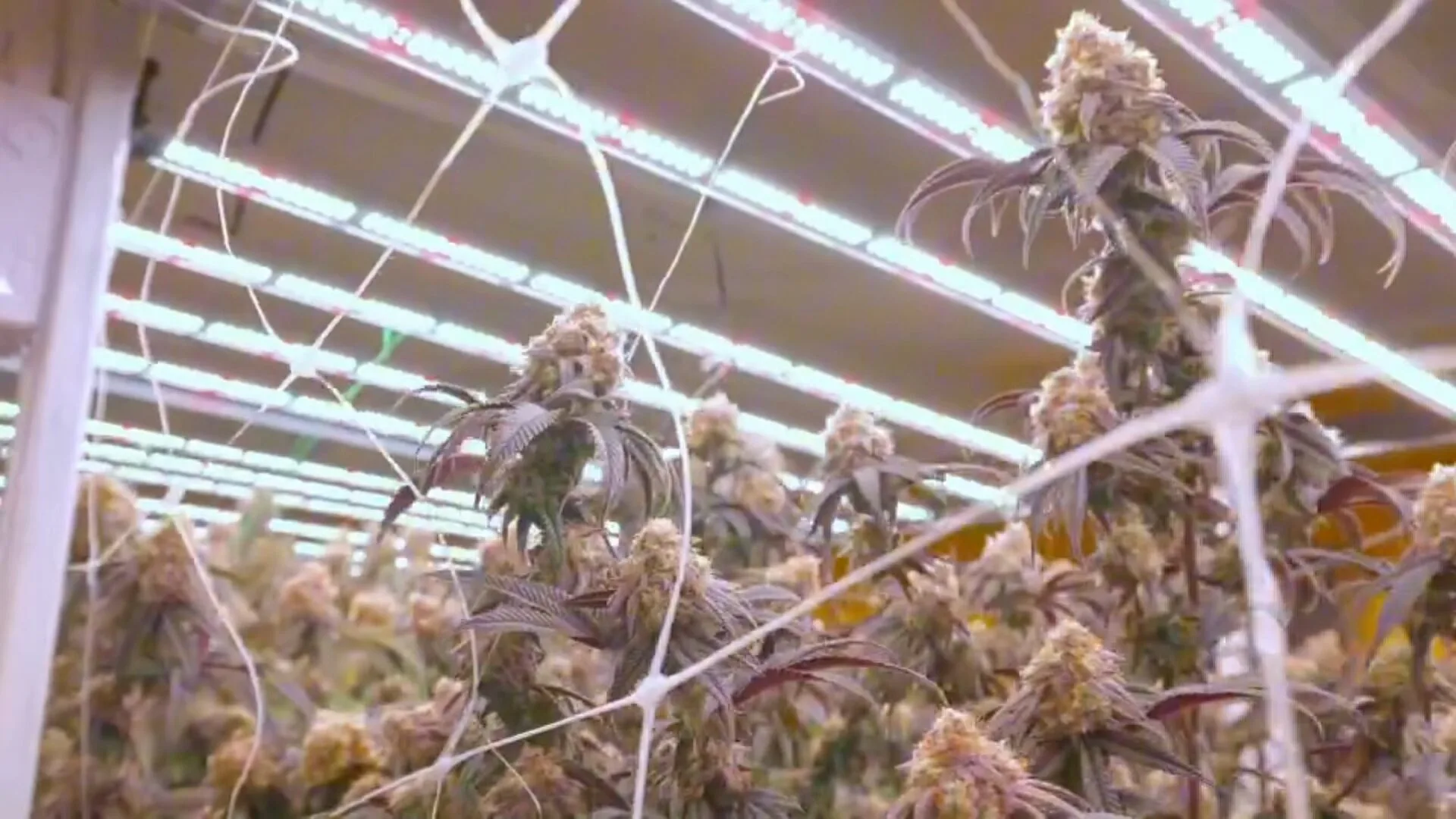
Inside our sealed indoor farm we hold the room, not just hope for good weather. Thailand is hot and humid, and an open cure here would be a gamble. A fully integrated sealed environment lets us run the same cure in July that we run in January.
What steady conditions protect
- Terpene content, so the aroma in the jar matches the plant we grew.
- Water activity, standardized across the batch so nothing arrives too wet or too dry.
- Structure, so hand trimmed buds keep their shape and do not crumble in transit.
- Shelf life, because an even cure resists mold and degradation over a long export journey.
Why water activity, not just moisture
Most people talk about moisture content. We track water activity, which measures the free water available in the flower rather than the total water in it. That distinction matters for two reasons. Free water is what microbes need to grow, so controlling it is how we pass microbial testing batch after batch. It is also what keeps flower stable in a sealed bag for months, which is exactly what an importer needs.
We standardize water activity across every batch. That means a buyer ordering the same strain twice gets flower that behaves the same both times, in the jar, on the shelf and at the counter. Consistency is what turns a first order into a standing one.
How the cure fits the rest of the process
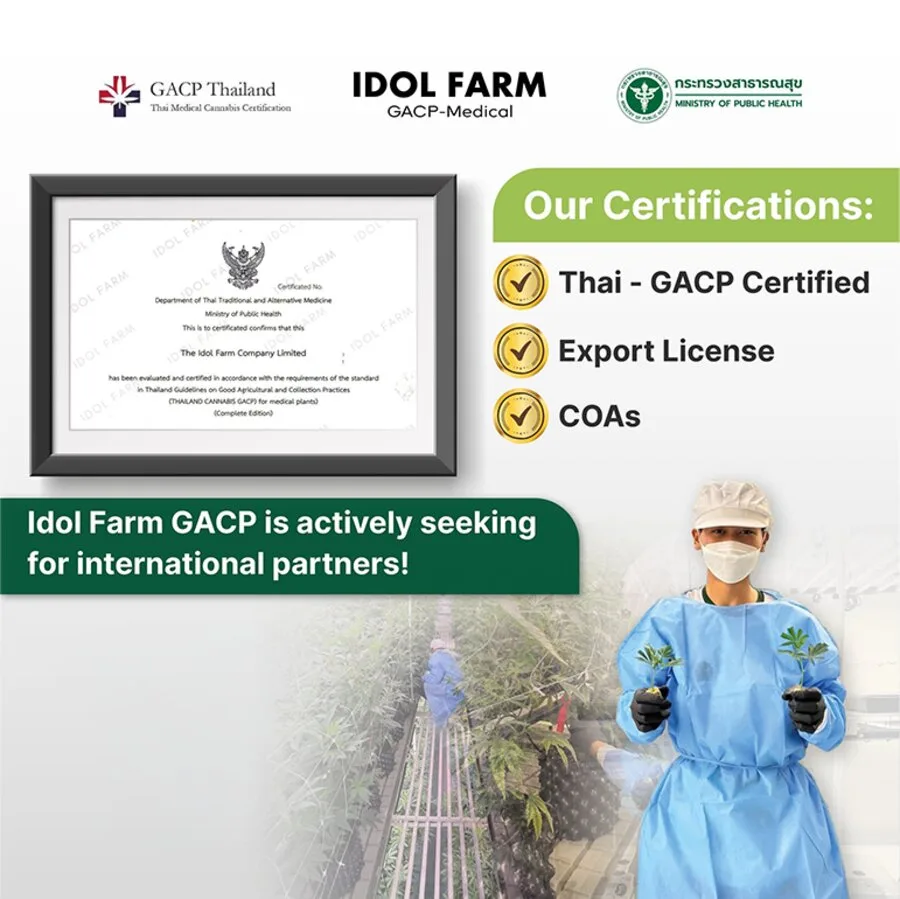
A good cure cannot rescue a bad grow, and a bad cure can ruin a good one. We treat curing as one link in a chain we control end to end. The flower is grown in a sealed indoor environment, hand trimmed, then slow cured under held conditions before it is tested and packed. Full seed to shipment traceability means we can tell you exactly how any batch was dried and when.
Every batch then goes to an independent lab. The COA covers cannabinoids, terpenes, pesticides, heavy metals and microbials. The terpene panel is where the cure proves itself. A rushed cure shows up as a thin terpene profile, and no packaging hides that from a serious buyer reading the numbers.
What this means for buyers
We run a GACP certified operation with an EU GMP partner network, producing around 500 kg of finished flower a month and 7 or more tons a year, with room to scale. That volume only matters if the quality holds across it, and the cure is a large part of how we hold it. White label and OEM programs run on the same cured flower, in export ready packaging, so what you put your name on smells like top shelf product should.
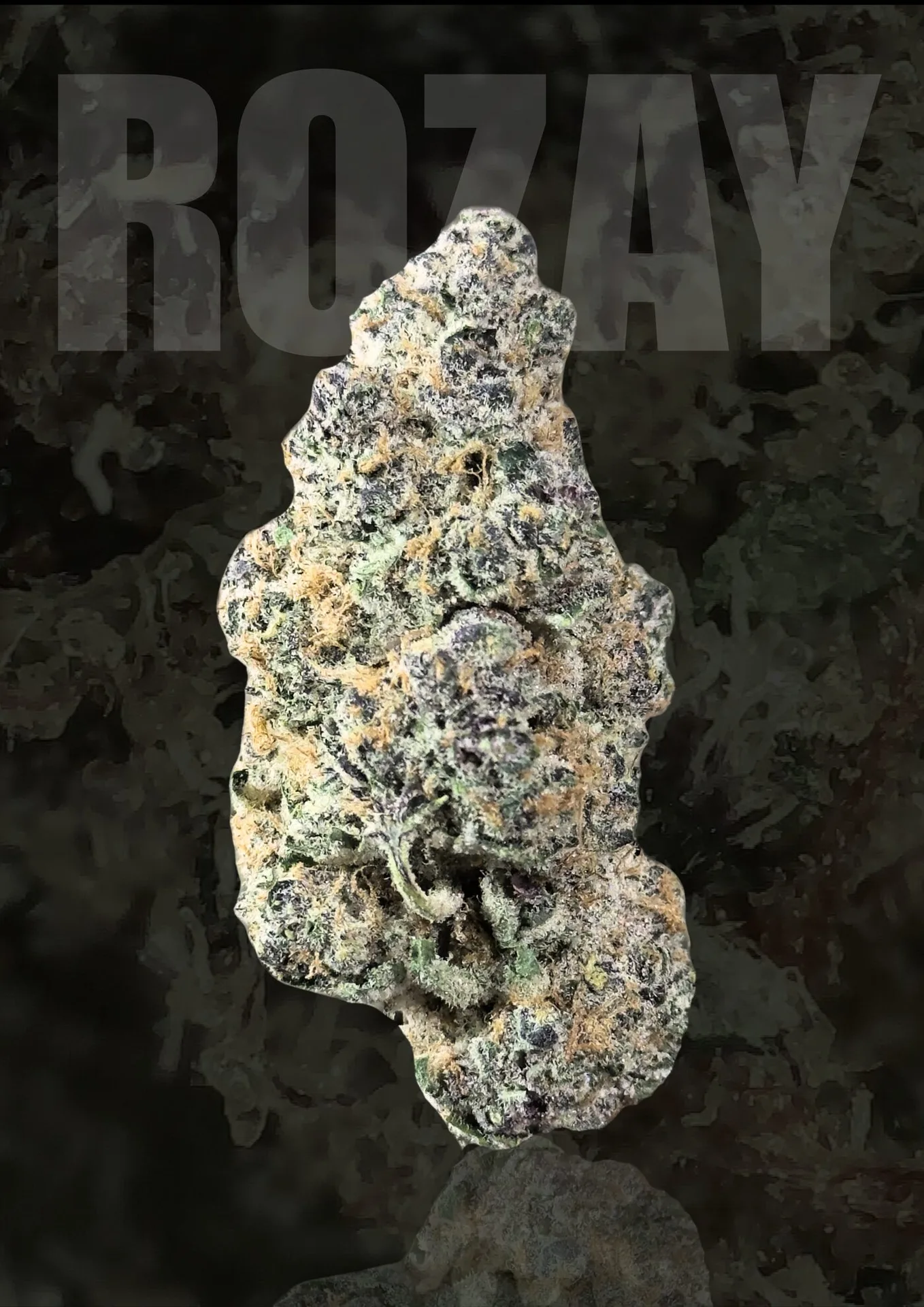
When you sample our flower, open the jar first and trust your nose before you read the certificate. A deep, living aroma is the signature of a cure that was done right and not rushed. If the smell is there and the COA backs it up, you are looking at flower that will still be selling itself when it reaches your shelves. Ask us for a current COA and a sample, and judge the cure yourself.