
Israel runs one of the toughest medical cannabis programs in the world. Supplying it means meeting its bar, not bending it. There is little room for a supplier who is close but not quite. The standard is the standard, and every batch has to prove it.
We built Idol Farm to work at that level from the first day. So when a shipment is bound for a strict market, it is not a special project. It is the same flower, grown the same way, tested the same way, documented the same way. We treat the hardest buyer as the baseline, not the exception.
What a strict market actually demands
Buyers in tightly regulated markets do not reward a good pitch. They reward proof. They want to see that quality is not a one off, that the flower in the sample matches the flower in the box, and that the paperwork behind it holds up under inspection. If any link is weak, the shipment stops at the door.
The demands come down to a few hard points that repeat on every order
- Independent lab testing on cannabinoids, terpenes, pesticides, heavy metals and microbials.
- A COA on every single batch, not a representative one.
- Consistent potency and quality from one harvest to the next.
- Full traceability from seed to shipment.
- Packaging and documentation that clear customs without a fight.
Testing that has to hold
Every batch we release carries a COA from an independent lab. It covers the full panel cannabinoid profile, terpenes, pesticides, heavy metals and microbials. We do not test one batch and assume the rest will follow. Each one is checked, and each one has to pass on its own.
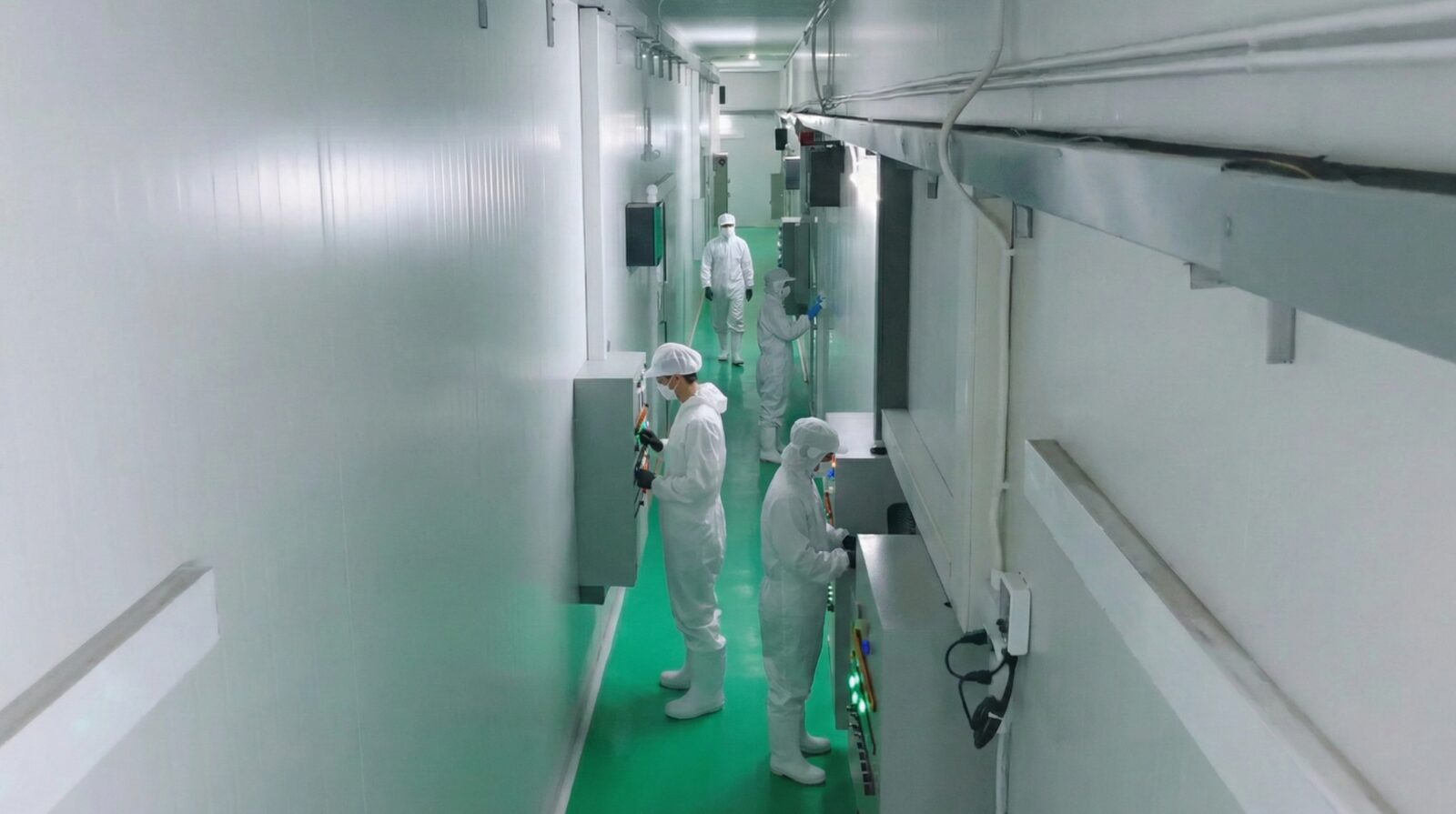
This matters because strict programs test again on arrival. If our numbers and their numbers do not line up, the relationship is over before it starts. So we run our farm to remove the gap. A sealed indoor environment keeps contamination out. Standardized water activity keeps the flower stable in transit. When the buyer retests, the result should look like ours.
You do not lower a strict market to your level. You raise your farm to meet it, long before the first order.
Consistency is the real product
Anyone can grow one good harvest. A serious buyer needs the tenth and the fiftieth to match the first. That is the part most suppliers cannot deliver, and it is the part a strict market cares about most.
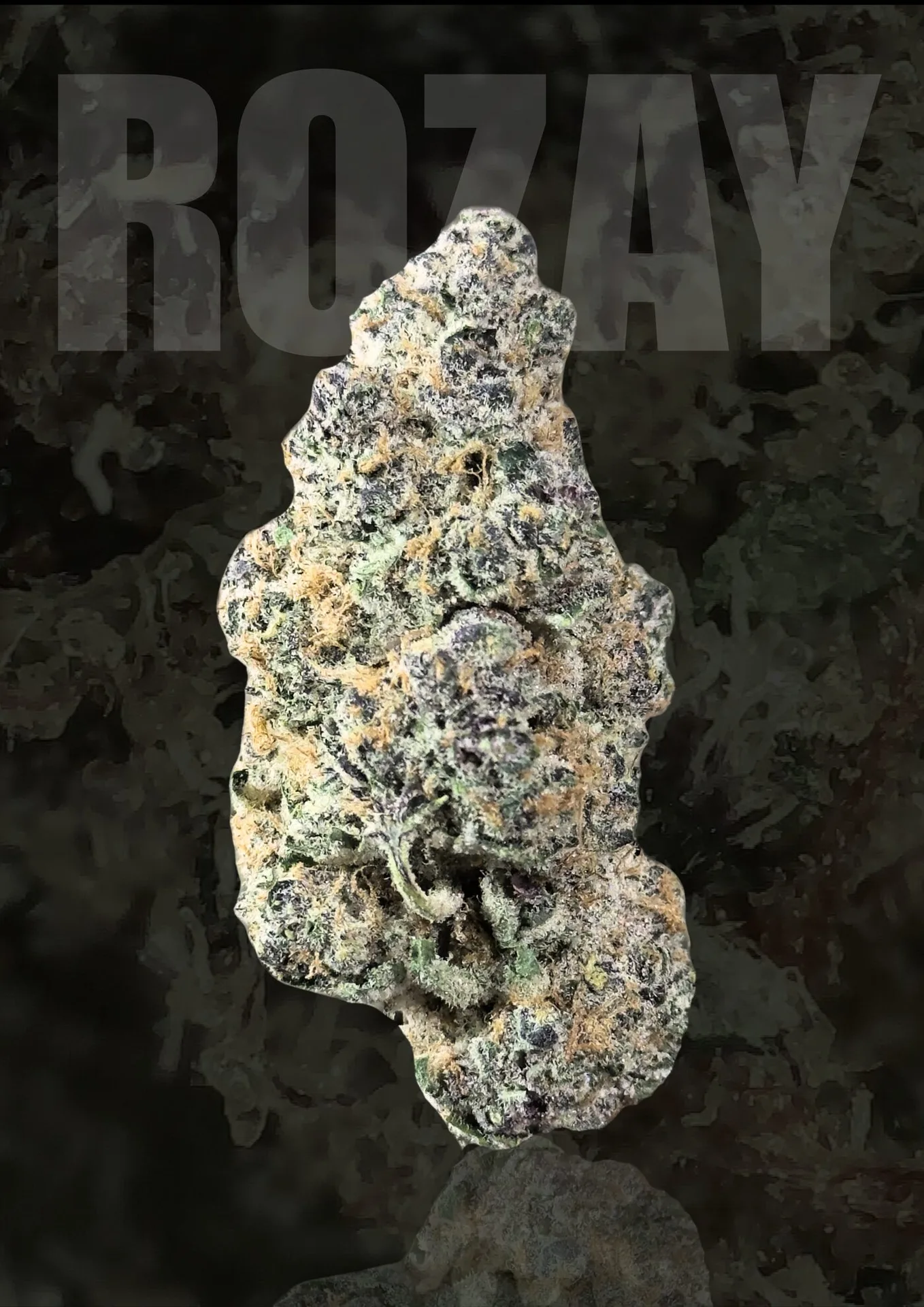
We grow exotic flower at 22 to 30 percent THC, hand trimmed and slow cured. Doing that once is craft. Doing it every month, at volume, is process. Our fully integrated sealed indoor farm gives us control over the inputs that drive consistency climate, light, feeding, timing, cure. Control the process and the output stops drifting.
Volume without the drop off
We produce around 500 kg of finished flower per month, more than 7 tons per year, with room to scale. Scale usually pulls quality down. We designed the farm so it does not. The same standard that governs a single kilo governs a full ton, because it is the same room, the same team and the same controls behind both.
How we get ready for a hard buyer
Because we build to the standard from the start, preparing for a demanding market is mostly a matter of matching format, not fixing quality. We confirm the required panels, align the COA presentation, and set up export ready packaging and labeling to the destination rules.
Full seed to shipment traceability sits under all of it. If a regulator or a buyer asks where a batch came from, when it was cured, and what it tested at, we can show the whole chain. That is what turns a first order into a standing one. We also offer white label and OEM, so a distributor can carry pharmaceutical grade flower under its own brand without touching the growing side.
What this means for you as a buyer
If you supply a strict market, your risk is not price. It is a shipment held at the border, a failed retest, or a batch that does not match the last one. Those are the problems that cost you a license, not a margin.
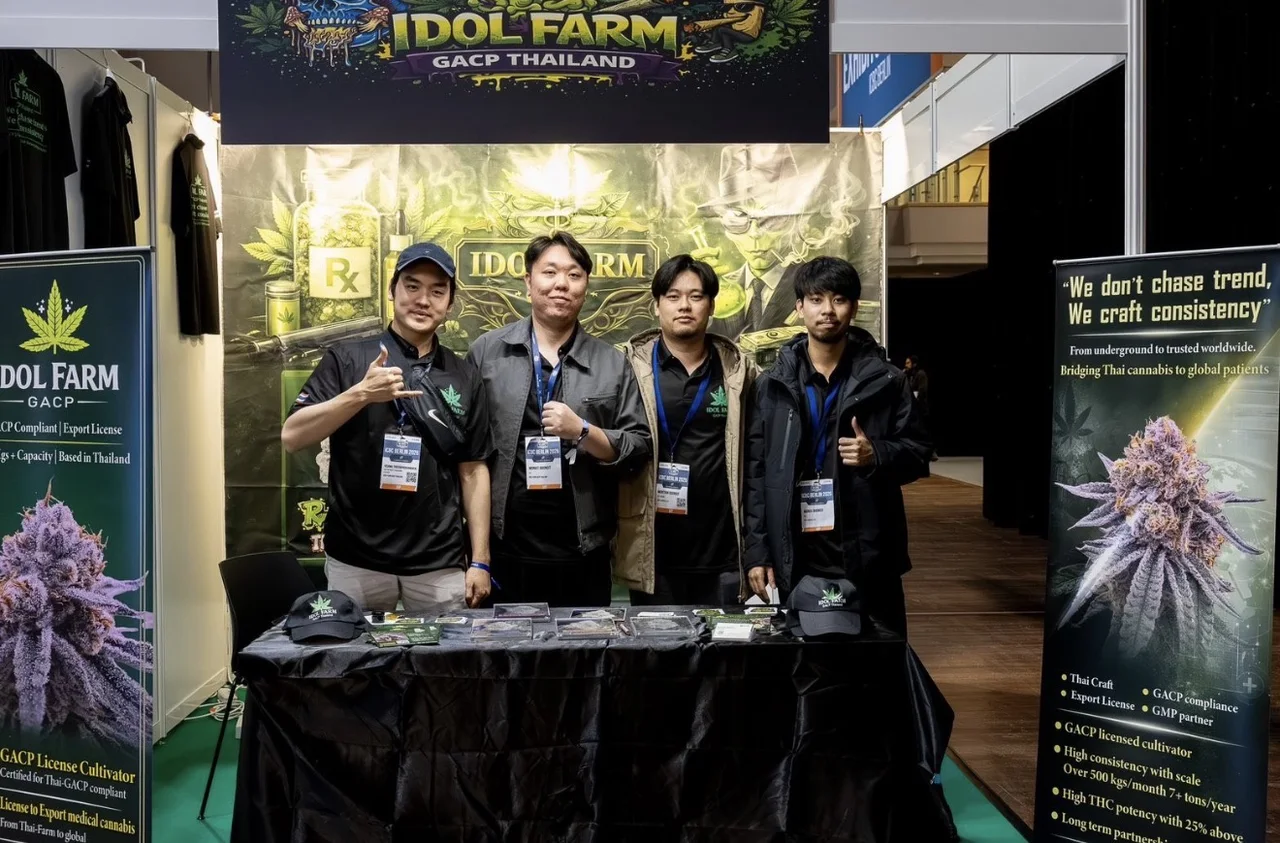
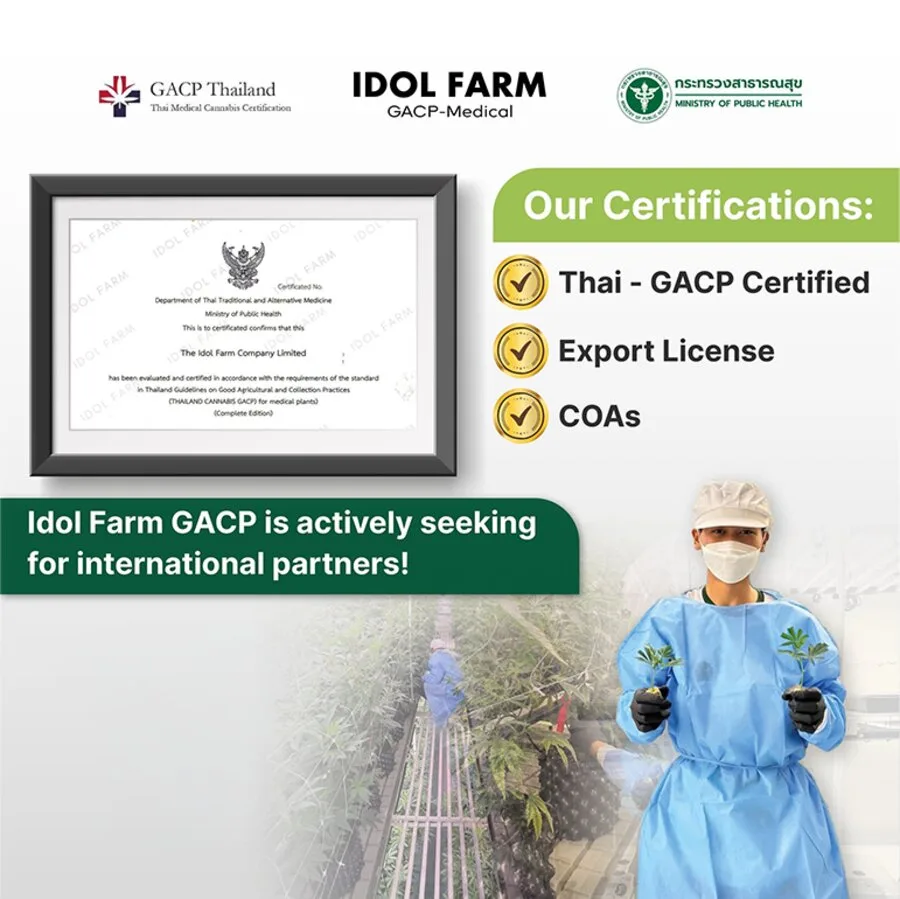
We work with a GACP certified operation and an EU GMP partner network so those risks stay small. The practical takeaway is simple. Ask any supplier for a COA on every batch, ask to see the traceability, and ask how they hold quality across a full year of production. If the answers are clean, you have a partner. If they hesitate, you have a problem waiting to happen. We would rather you test us against the toughest bar you have, because that is the bar we already build to.