
A cannabis export deal is never just a price per kilo. It is who pays when, who owns the risk at each leg of the journey, and who fixes it if a pallet sits in customs. Get those three things wrong and a good price turns into a bad month. Here is the plain version, the way we run it at Idol Farm.
We ship pharmaceutical grade flower out of Thailand to regulated markets. That means banks, customs officers and compliance teams are all watching the paperwork. When payment terms and Incoterms are agreed up front and written into the contract, nobody has to argue later, not at the bank and not at the border.
How payment usually works
Terms are set before anything ships. We write them into the contract so both sides know exactly what happens and when. For a first order with a new buyer, a deposit against balance on shipping documents is the common path. As trust builds across repeat orders, terms open up.
The point of clear payment terms is not to protect one side over the other. It is to remove the guesswork so the relationship stays clean and both parties keep coming back.
- Deposit and balance a percentage paid to confirm the order, the rest paid against shipping documents.
- Letter of credit the bank holds the money and releases it when agreed documents are presented. Slower, but strong protection for large first orders.
- Documentary collection banks handle the documents while payment and release move in step.
- Open account reserved for established buyers with a track record, invoiced on agreed net terms.
Where Incoterms fit
Incoterms are the shorthand shippers use for who is responsible for the goods at each stage. They answer three questions in a few letters who pays freight, who carries the risk if something goes wrong, and where that risk passes from us to you.
Agreeing them early matters because the answers change the real cost of a deal. A price that looks cheap under one term can cost more once you add freight, insurance and clearance under another. Read the term before you compare the number.
The terms you will see most
FOB puts the goods on the vessel at our port. From that point the shipment is yours freight, insurance and import clearance. CIF means we cover freight and insurance to your named port, then you take over for import. DAP means we deliver to an agreed place in your country, with import duties and clearance still on you. Each one moves the line of responsibility to a different place. None is right or wrong. They just have to match what each side is set up to handle.
A smooth deal is one where nobody has to ask who does what. That is decided before the flower moves, not after it is stuck.
Why the paperwork carries the deal
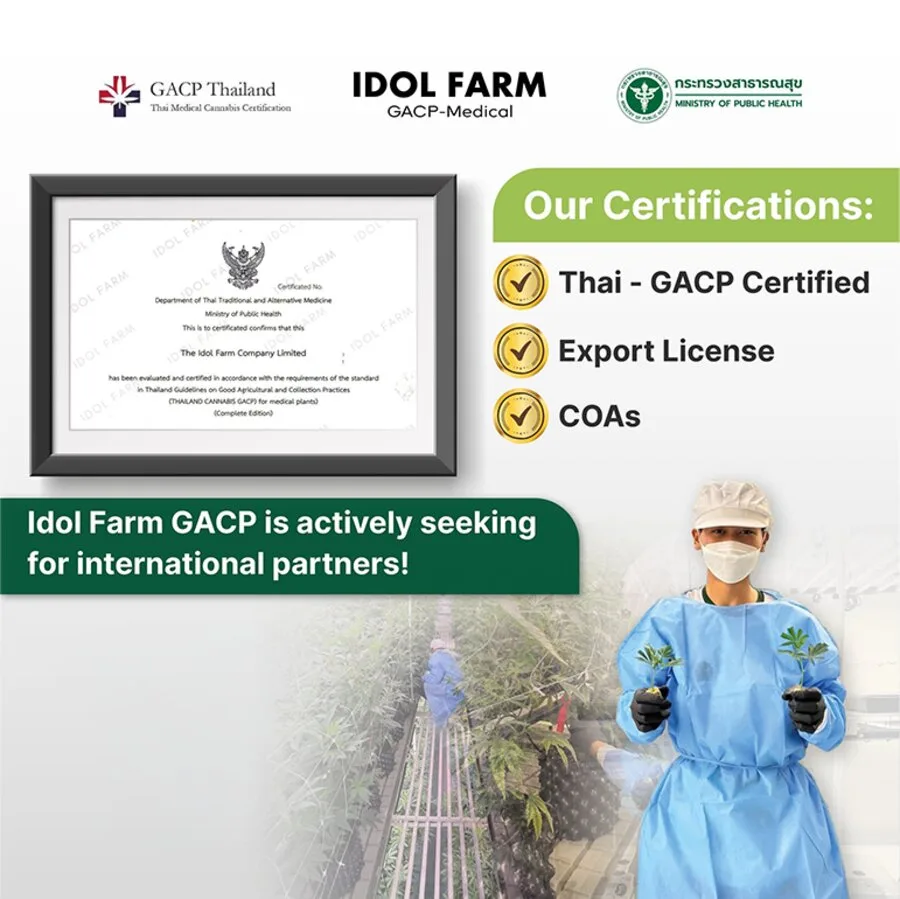
In regulated cannabis trade, the documents are the product as far as the border is concerned. A COA travels with every batch, covering cannabinoids, terpenes, pesticides, heavy metals and microbials, issued by an independent lab. Alongside it sit the export permit, the invoice, the packing list and the certificate of origin.
We run full seed to shipment traceability, so every batch ties back to its own record. When payment terms depend on presenting clean documents, and they often do, that traceability is what gets money released on time instead of held for questions.
How we keep the two sides in step
Payment terms and Incoterms are not separate conversations. They lock together. If payment is due against shipping documents, the Incoterm decides which documents exist and when. If we ship CIF, the insurance certificate is part of the pack the bank wants to see. Line them up once, in the contract, and the deal runs itself.
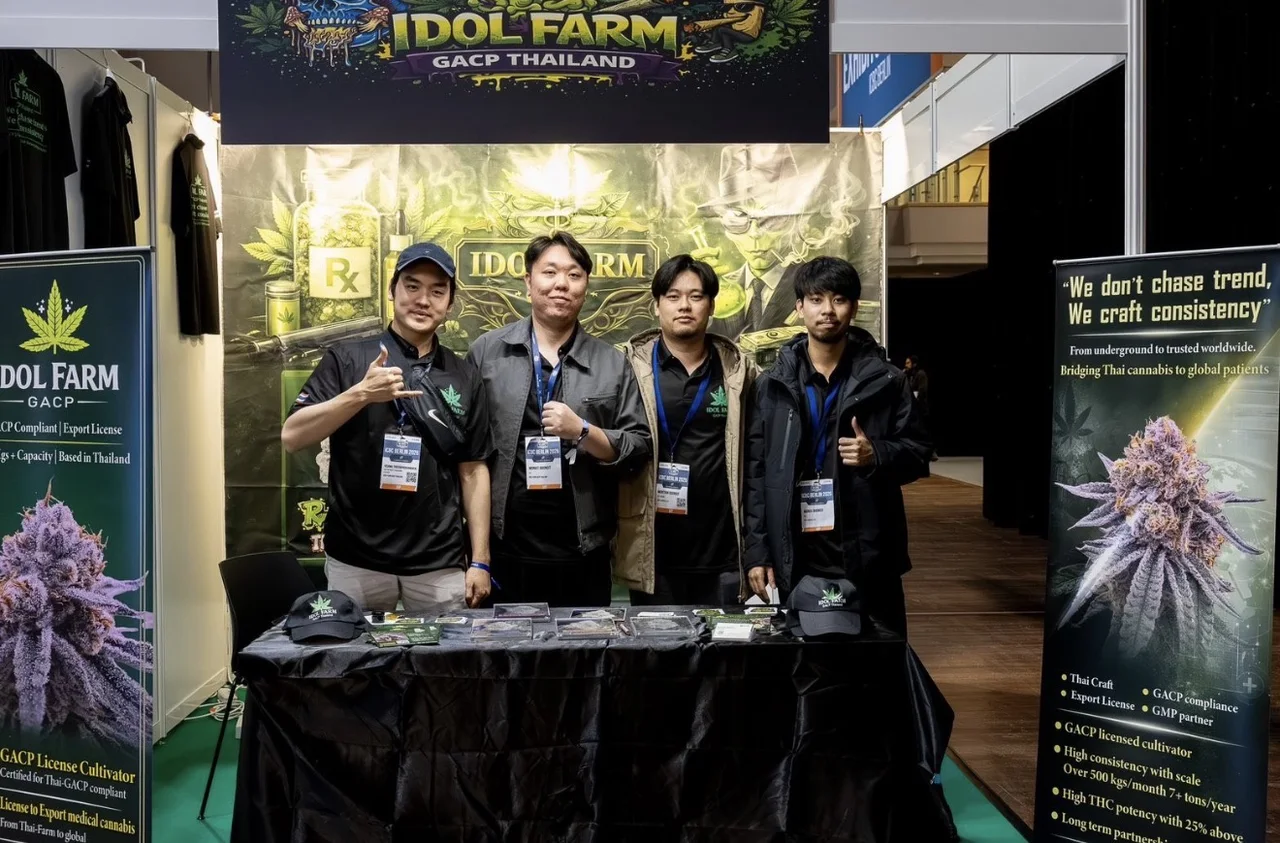
Our farm is a fully integrated sealed indoor site, GACP certified, working with an EU GMP partner network. We produce around 500 kg of finished flower a month, over 7 tons a year, with room to scale. That volume only helps a buyer if the commercial terms behind it are just as steady, so we treat the contract with the same care as the crop.
What this means for your first order
Before you commit, get four things in writing the payment structure, the Incoterm, the document set, and who clears customs on your side. Match the Incoterm to what your logistics team can actually handle. If you are not set up to arrange freight and import from a Thai port, do not agree to a term that hands you that job.
Send us your destination market and how you prefer to buy. We will come back with terms that fit your setup, spell out every document, and keep the whole thing defensible from our farm to your shelf. Clear terms first, product second. That order is what keeps a deal clean.