
Picking a cannabis supplier is picking a partner. Get it right and your supply chain runs quiet in the background. Get it wrong and you spend the year chasing paperwork, explaining shortfalls to your own customers, and quietly rebuilding trust you should never have lost. A short checklist saves you from the suppliers who cannot deliver, before their problems become yours.
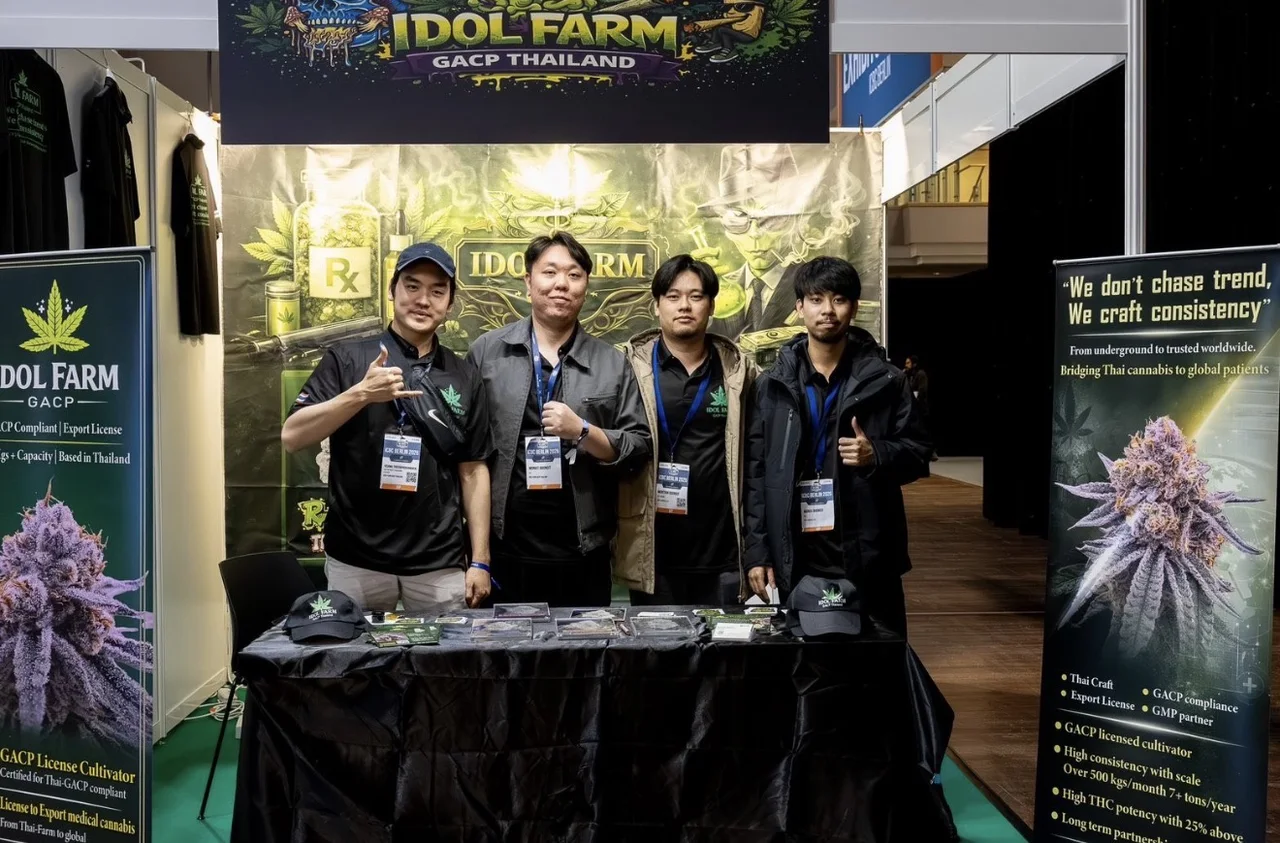
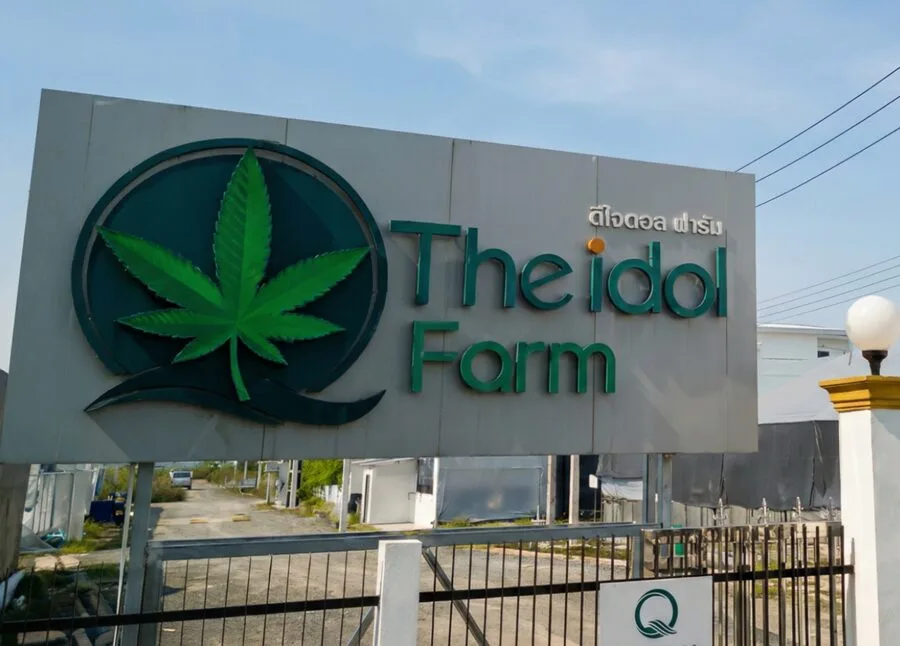
We run a GACP certified farm in Thailand and export to regulated markets. We sit on both sides of this. We are the supplier being vetted, and we are the buyer sourcing genetics, packaging, and lab services. So we know exactly which questions separate a real operation from a good pitch. Here is the checklist we would use.
Start with the paperwork, not the flower
Beautiful flower with no documentation is a liability, not an asset. Before you smell a single sample, ask for the compliance file. A serious supplier hands it over without hesitation, because they already keep it ready for customs and their own regulators.
Ask for these, and read them properly
- A COA for the exact batch on offer, not a generic one, covering cannabinoids, terpenes, pesticides, heavy metals, and microbials from an independent lab.
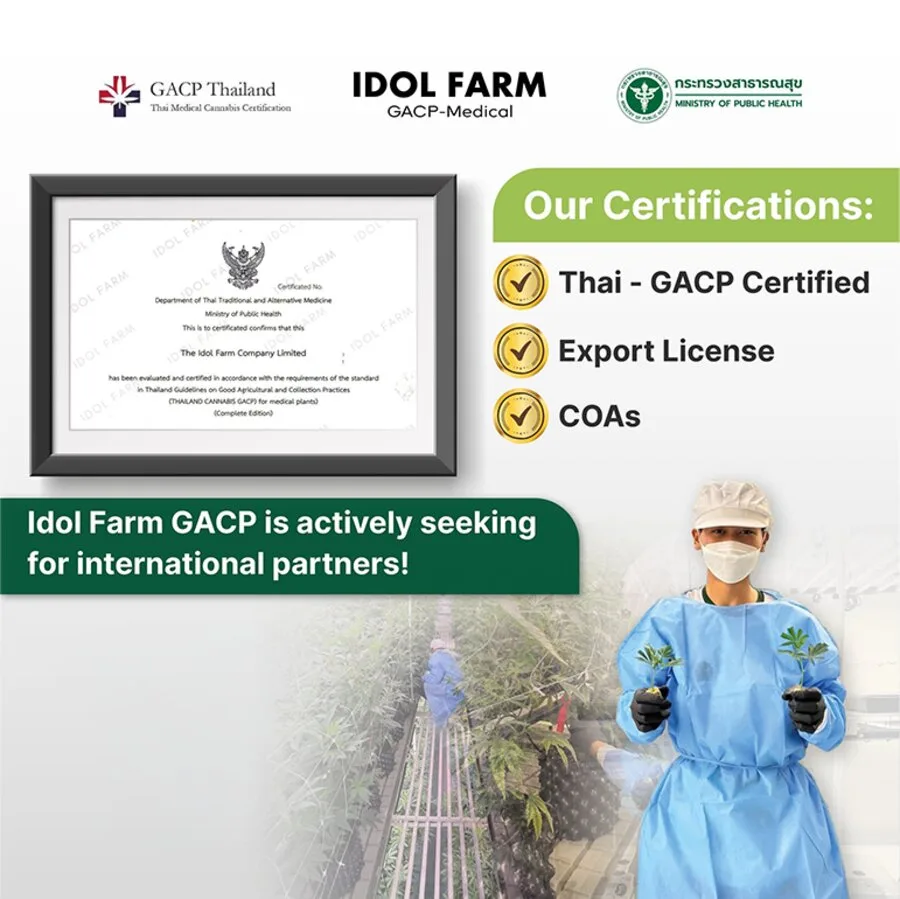
- Proof of GACP certification and a working GMP partner network for anything that needs pharmaceutical handling.
- Export documentation that matches your import market's rules, so shipments clear instead of sitting.
- Batch traceability that runs from seed to shipment, so any question has an answer on file.
If a supplier stalls on any of these, you have your answer. The paperwork is the product. The flower is what fills it.
Check that volume is real and repeatable
Plenty of suppliers can show you one exceptional harvest. Fewer can show you the same harvest twelve times a year. Ask for monthly output in writing and ask what happens when your order grows. A farm that produces around 500 kg of finished flower a month, seven or more tons a year, with room to scale, can commit to a real contract. A farm that dodges the question is telling you it runs on luck and good weather.
Anyone can send one good batch. A supplier worth keeping sends the same one every time.
Consistency is a farm problem, not a talent problem. A sealed, fully integrated indoor grow gives you the same conditions every cycle. That is why we control the whole chain rather than buying in flower and reselling it. You cannot promise repeatable quality if you do not own the process that makes it.
Judge the flower on the numbers and the finish
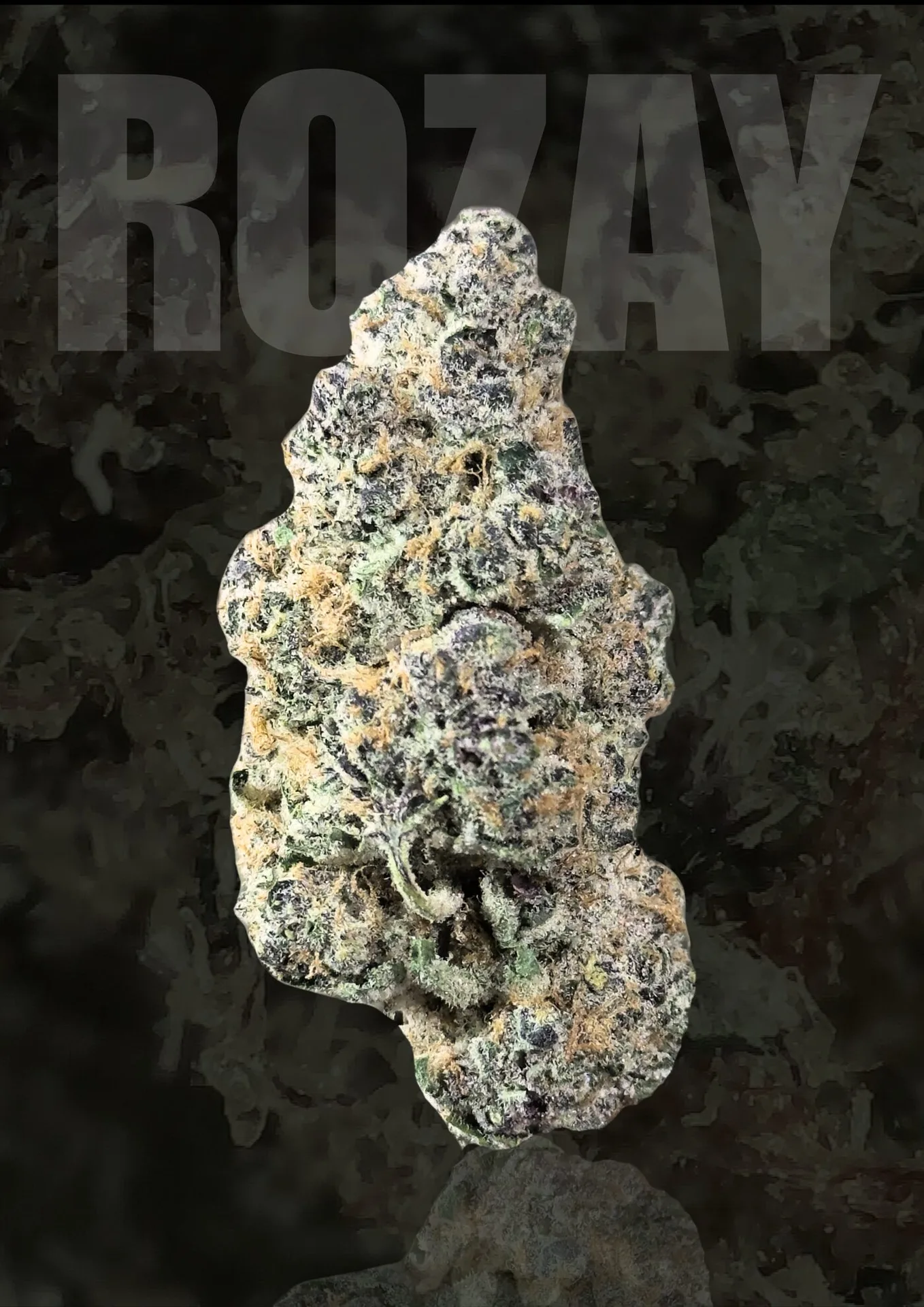
Exotic flower should test where it claims to test. We grow at 22 to 30 percent THC, and the COA proves it rather than the sales sheet. But potency alone is a weak filter. Look at how the flower is finished, because that is where cheap operations cut corners.
What good finishing looks like
Hand trimmed, not machine blitzed. Slow cured, so the terpenes survive and the smoke is clean. Water activity standardized across the batch, so the flower stays stable in transit and on the shelf instead of drying out or turning. These are dull details. They are also the difference between flower that arrives premium and flower that arrives disappointing.
Test the relationship before you test the product
How a supplier answers your first ten emails tells you how they will handle a problem at scale. You want clear answers, honest samples that match the eventual delivery, and a direct line to the people who actually run the farm. Layers of brokers between you and the grower mean higher prices and slower answers when something goes wrong.
Watch for the tells. Vague timelines. Samples that never quite match the shipment. A different story each time you ask about capacity. A real partner makes your side of the deal easier, not harder. If sourcing already feels like work during courtship, it will feel like a second job once you are locked in.
Confirm they can carry your brand
Most B2B buyers are not just buying flower. They are building a product line. So ask what the supplier can do beyond the bag. White label and OEM options, export ready packaging, and consistent specs across runs let you put your own name on the box with confidence. A supplier who can only sell you bulk flower leaves the hardest, most expensive part of the work on your desk.
This is also where scale and compliance meet. If a farm can hold quality across seven tons a year and document every batch, it can support your brand as it grows. If it cannot, you will outgrow the supplier within a year and start this search all over again.
The practical takeaway
Build the checklist once and run every supplier through the same questions. Ask for the batch COA, proof of GACP and a GMP partner, written monthly volume, real traceability, and a direct line to the farm. Then watch how fast and how honestly they answer. The weak suppliers reveal themselves in the first week, long before a bad shipment can cost you a customer. The strong ones make the whole process feel simple, because they built their operation to pass exactly this kind of scrutiny. That is the supplier you keep.